








Introduction:Faced with a dazzling array of coffee machines on the market, many coffee enthusiasts hesitate between fully automatic and semi-automatic models. This article delves into the operational principles, flexibility, and suitable scenarios of both types—from extraction processes to daily maintenance—along with practical advice to help you choose the right coffee equipment wisely based on your brewing habits, budget, and flavor preferences.
Modern coffee culture is all the rage. Whether it’s busy office workers or those relaxing at home, everyone craves a rich cup of coffee to boost their spirits. However, when it comes time to actually make a purchase, many are left puzzled by the terms “fully automatic” and “semi-automatic”—which type better suits their needs? This article will guide you from the basics, clarify key differences, and provide essential tips for selecting and operating your machine.

With the growing popularity of specialty coffee, more and more consumers are no longer satisfied with instant beverages and are instead seeking brewing experiences that can replicate café flavors at home. Whether it’s a morning pick-me-up or an afternoon break, a pour over or espresso can bring great satisfaction. But the purchasing decision often gets stuck at the choice of model: should you opt for an automated solution that does everything at the push of a button, or go for a semi-automatic mode that offers more control?
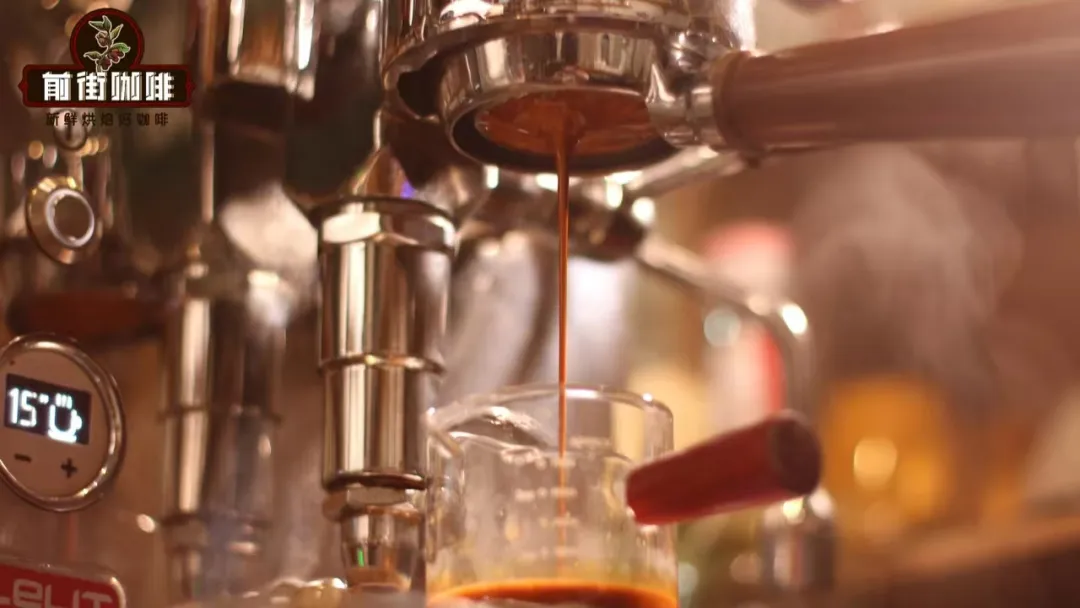
A so-called fully automatic coffee machine, as the name suggests, is an intelligent device that can do it all “at the touch of a button.” When the user selects a function (such as espresso extraction), the machine automatically completes the entire process—grinding beans, tamping, and extracting—according to its built-in program, leaving the user to simply wait for the finished product. The core advantage of such machines isextremely simple operation logic—there’s no need to familiarize yourself with grind size, water temperature, or pressure parameters, making them especially suitable for efficiency-focused users or beginners new to coffee machines.
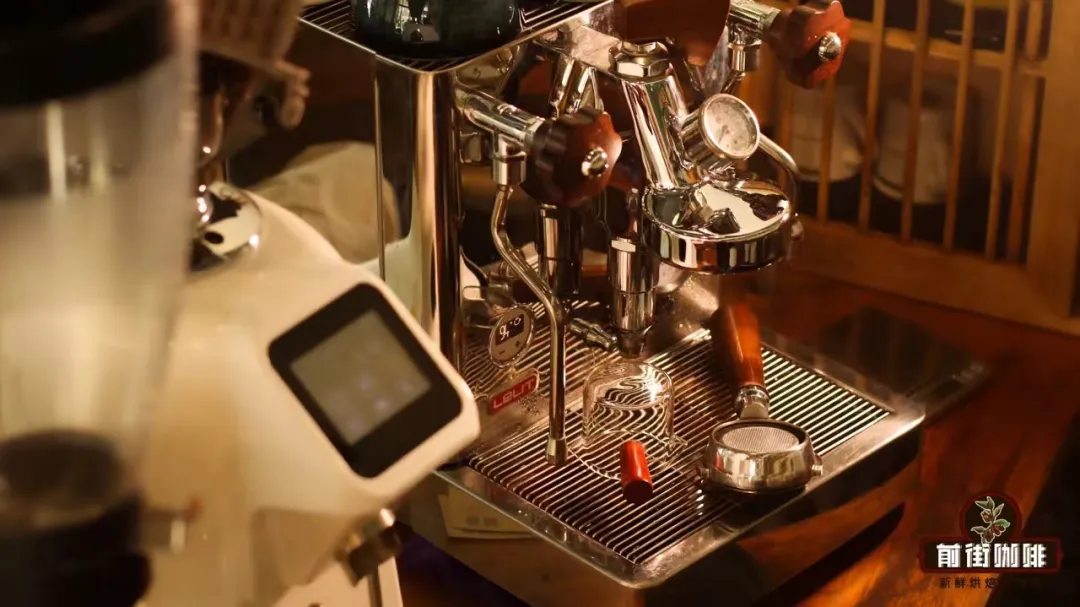
However, fully automatic solutions also have clear limitations:very low adjustability. Most models do not allow modifications to key variables such as grind size or extraction time, and if you’re on a limited budget, even basic parameters may be locked. This means the final coffee performance heavily relies on how well the machine’s presets match the beans’ characteristics. Additionally, some entry-level models lack a milk frothing system or have insufficient bean hopper capacity, which can significantly diminish the long-term user experience. Therefore, professionals generally recommend that unless you only need basic espresso functionality (e.g., for shared office use), users who care about flavor should carefully evaluate their options.
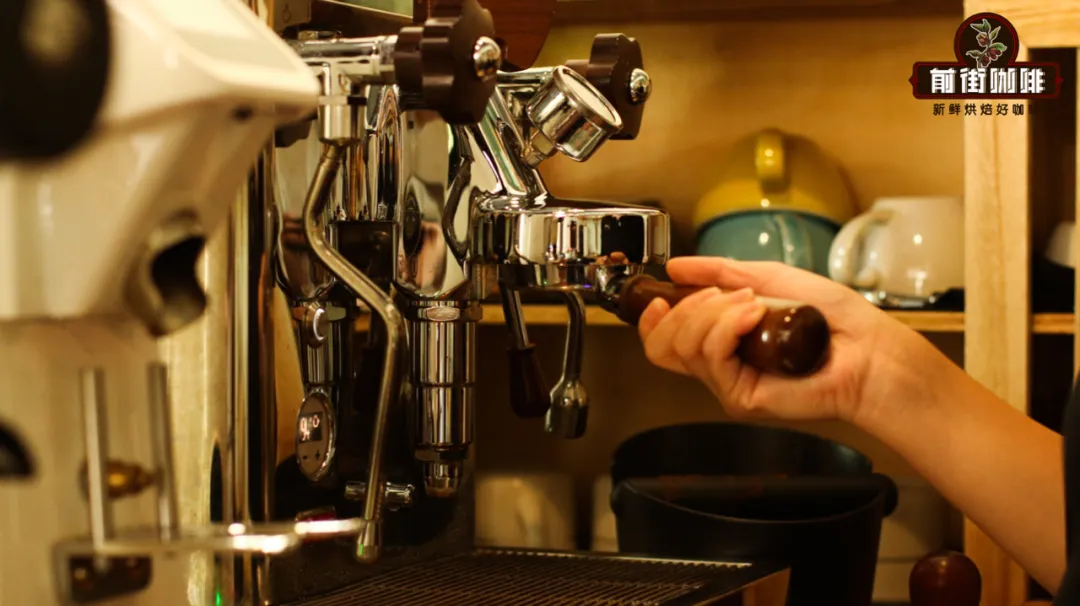
In contrast, semi-automatic coffee machines offer more precise control. Users must operate the grinder (or pair it with a separate grinding unit), control the amount and tamping density of coffee grounds, manually start the extraction timing, and can even fine-tune water temperature and pressure according to the characteristics of the beans. Although the learning curve is steeper, it is precisely thishands-on brewing experiencethat allows the full potential of the coffee beans’ flavor layers to shine—from bright acidity to rich body—all of which can be finely adjusted. Especially for advanced users who love experimenting with different roast levels and regional profiles, the semi-automatic design is undoubtedly a more ideal creative tool.
If you decide to go for a semi-automatic model, it’s recommended to prioritize confirming the following features: an integrated grinder system with replaceable burrs (or compatibility with external grinders), stable 9-bar pressure output, precise pre-infusion design, and an easy-to-clean steam wand structure. During operation, remember to follow the principle of “small amounts and multiple tamps,” and observe the color and persistence of the crema to judge the extraction status. In the beginning, it’s a good idea to record each set of parameters (such as grind setting and brew ratio) to gradually develop your own golden recipe.
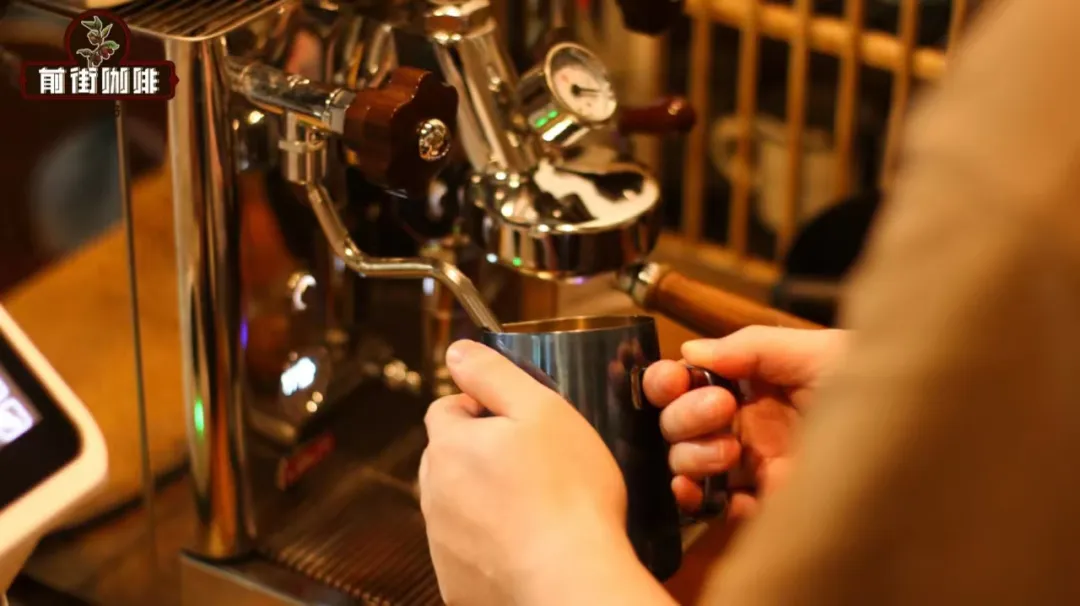
The above content is compiled by CoffeeHunters, a coffee news website.


