








Introduction:Iced pour over coffee is beloved for its refreshing taste, but between the two methods—“preparing with ice from the start” and “cooling down with ice afterward”—which one better highlights the layers and balance of the coffee? This article delves into the differences between these two techniques in terms of flavor expression, operational steps, and key parameters, and provides professional-level recommendations on dosage, grind size, water temperature, and pouring methods to help you master the gold standard of iced pour over. Whether at home or in a café, you can brew your ideal cup with precision.
The methods for making iced pour over coffee can generally be divided into two main types: one involves pre-placing ice cubes in the lower brewing vessel to cool the coffee during extraction, while the other completes the hot water extraction first and then rapidly chills the coffee by pouring it over pre-frozen ice or adding ice directly. Though both approaches aim for the same outcome, they differ significantly in flavor release, acidity-sweetness balance, and ease of operation. This article will comprehensively break down the distinctions between the two—from practical brewing procedures and parameter settings to final taste—while offering precise coffee-to-water ratios and extraction suggestions to help you find your optimal brewing method.
First, let’s take a look at the “ice first, then extract” method, which is commonly used by many professional coffee shops. In this approach, a certain amount of ice is placed in the lower brewing vessel before brewing, followed by the normal pour over process of pouring hot water for extraction. As the hot water seeps through the coffee grounds and releases flavor compounds, it simultaneously absorbs heat from the ice and gradually melts it, thereby achieving a continuous cooling effect. This technique allows for stable control of extraction temperature, helps reduce the release of tannins and impurities, results in a cleaner and brighter cup, and preserves a rich array of fruit acids and aromatic layers.

In contrast, the “extract first, then add ice” process is slightly more complex. It starts with brewing the coffee using the usual hot water pour over method, after which the freshly extracted hot coffee is quickly poured into a container with pre-frozen ice or ice is added directly to the coffee liquid, followed by even stirring to achieve rapid cooling. The advantage of this method is that it allows for a full extraction of the coffee’s various flavor compounds first, then locks in those flavors via rapid cooling from the ice—making it ideal for those who prefer a stronger, more intense taste and complete flavor profile. However, if the cooling is insufficient or the mixture is uneven, it may affect the overall flavor balance.
So, what are the specific practical differences between the two? The “ice first” method focuses on placing ice in advance and leveraging its cooling effect to continuously regulate the extraction environment, resulting in more stable control over water temperature, which helps showcase the delicate flavors of the coffee. On the other hand, the “ice later” method relies on subsequent rapid cooling procedures, involves a few more operational steps, but allows for greater flexibility in adjusting grind size and water temperature during the extraction phase to fully express the characteristics of the coffee beans.
Regarding specific parameter settings, the following is a set of standards proven effective through practical testing, suitable for most medium to light roasted coffee beans: it is recommended to use 15 gramsof coffee grounds, with a grind size approximately equivalent to the 9th setting on an Ek43 grinder—similar in coarseness to fine sugar—and ensuring that about 80%of the grinds pass through a #20 sieve. This grind size balances extraction efficiency and flow rate control. The recommended coffee-to-water ratio is set at 1:10, meaning 15 grams of coffee to 150 milliliters of water, yielding a moderate strength. The amount of ice used is generally around 100 grams, which can be adjusted according to personal preference; slightly more can be added if a cooler taste is desired. Water temperature is advised to be maintained at 92°C, helping to fully bring out the fruit acids and aromas of the coffee without over-extracting. For pouring, the classic three-pour method is recommended, as it effectively controls the rhythm and uniformity of extraction. As for the filter dripper,V60 is the most common and flow-rate-controllable option, contributing to a clean and bright cup profile.

Comparing the two techniques overall, the “ice first” method is simpler and more streamlined, making it suitable for users who want stable extraction and emphasize flavor layers and a refreshing taste—especially during hot seasons when a quick, cool cup of coffee is desired. The “ice later” method, though an extra step, allows for more focus on the precision of hot water extraction and is ideal for brewers aiming to fully unlock the potential of the coffee beans. No matter which method you choose, mastering the three core parameters—coffee-to-water ratio, grind size, and water temperature—will enable you to brew satisfying iced pour over coffee.
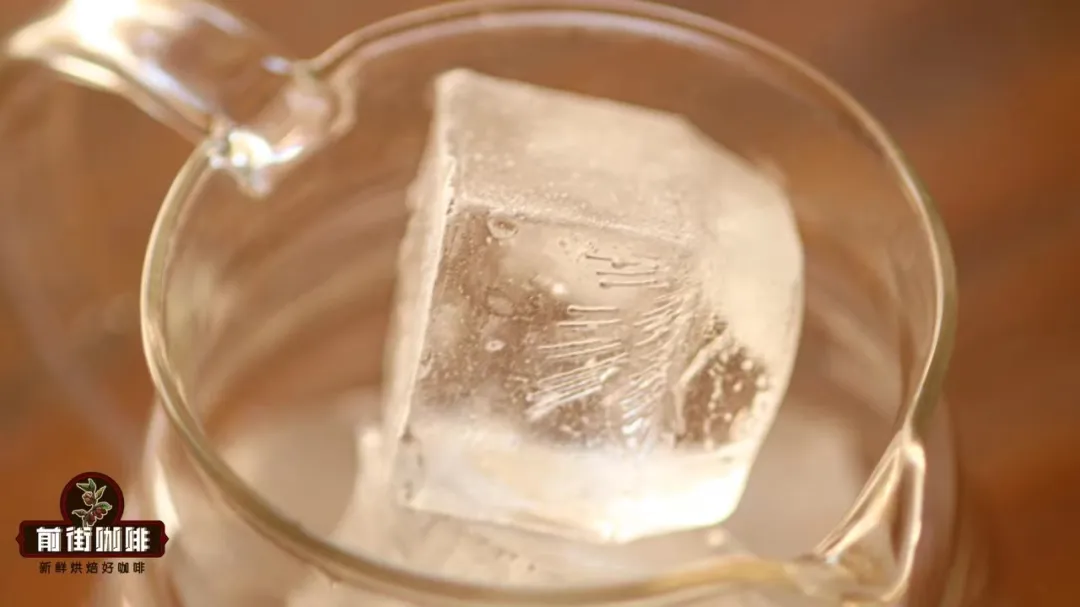
Lastly, regardless of the method used, it’s recommended to check the purity and size of the ice cubes before brewing to avoid the overall concentration and flavor of the coffee being affected by rapid ice melt. Additionally, based on individual taste preferences, you can fine-tune the dosage of coffee, the amount of ice, or water temperature to gradually discover the iced pour over recipe that best suits your palate.
The above content is compiled by CoffeeHunters, a coffee news website.


