








Introduction:Want to explore the charm of Deborah Estate, the consistent frontrunner among Panama’s specialty coffees? This article delves into how the estate’s high-altitude environment in the Volcán region and its innovative CM carbonic maceration processing method come together to shape the unique flavors of its Geisha coffee. From soil conditions to processing details, we break down this internationally acclaimed coffee bean step by step, and provide real flavor experience insights to help you find your next pour over specialty.
In Panama’s specialty coffee scene, the BOP (Best of Panama) is undoubtedly the most influential green bean competition. Every year, numerous renowned estates bring their meticulously cultivated Geisha and other varieties to compete, not only for prestige but also for substantial economic returns through post-competition auctions. For coffee enthusiasts, BOP-winning beans often represent the pinnacle of flavor performance for that year and are excellent choices for both trying something new and collecting.
Among the many competing estates, Deborah Estate has consistently stood out thanks to its unique geographical advantages in the Volcán region and its innovative CM carbonic maceration processing method. Founded in 2006 by American banker Jamison Savage, the estate has from the very beginning been dedicated to growing distinctive Geisha coffee in high-altitude environments.

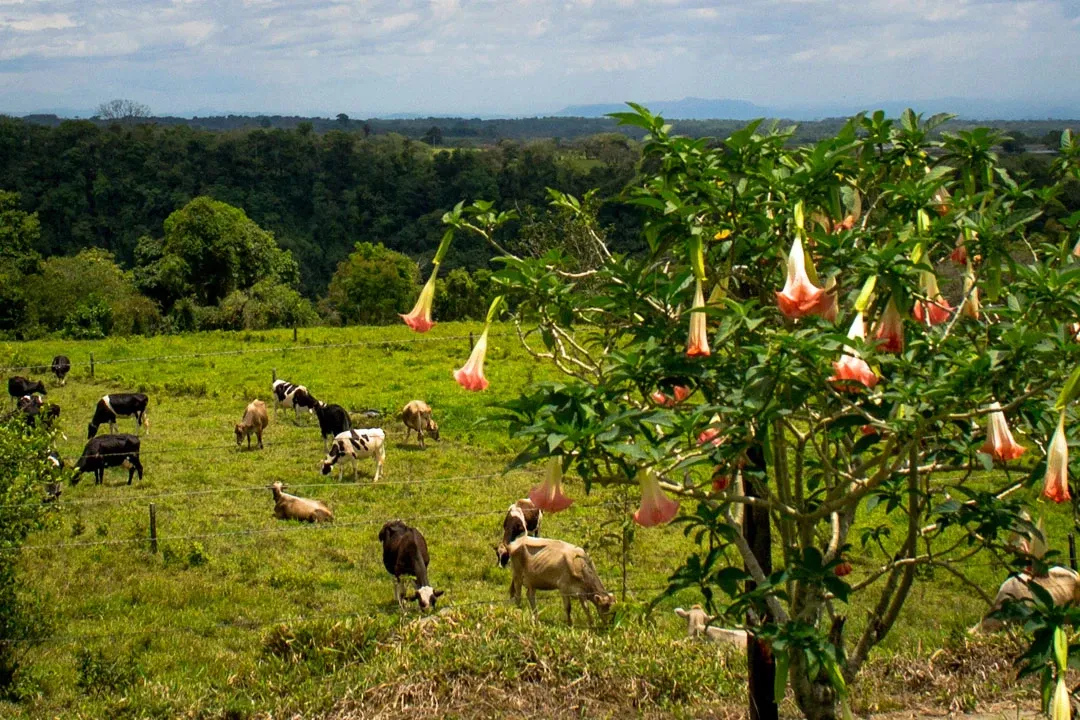
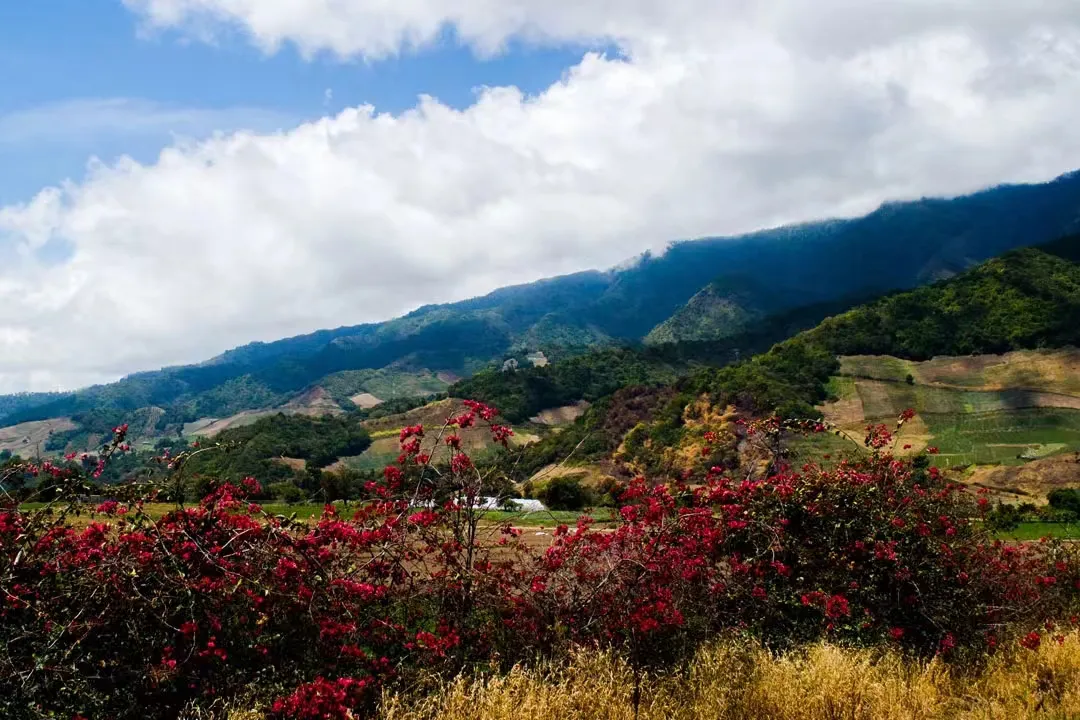
Deborah Estate is located in Volcán, one of Panama’s three major coffee-growing regions. The area borders the Barú Volcano and lies within a tropical rainforest climate zone. Situated at an altitude exceeding 1900 meters, the estate not only boasts fertile volcanic soils but also enjoys abundant annual rainfall of up to 2200 millimeters. Such natural conditions create an optimal environment for coffee tree growth.
High altitude brings not only rich nutrients but also significant diurnal temperature variations. Nighttime temperatures can drop to around 10°C, and this cool environment effectively slows the ripening process of coffee cherries while encouraging the plants to accumulate more small-molecule aromatic compounds at night, which help stabilize cell structures and resist the cold. These chemical changes are ultimately reflected in the coffee’s flavor profile, resulting in a sweeter and more layered taste.

In addition, prolonged cloud cover reduces direct exposure to intense sunlight, allowing the cherries to ripen more slowly under more even and gentle light conditions, further enhancing sweetness and the delicacy of aromas. It is for these reasons that the Geisha produced in the Volcán region, especially by Deborah Estate, can exhibit such a uniquely identifiable and distinctive flavor profile.
When talking about Deborah Estate’s Geisha, one cannot overlook its use of the CM carbonic maceration processing method. This is an innovative approach that combines anaerobic and carbon dioxide intervention techniques, allowing for more precise control over flavor development during fermentation. Compared to traditional washed or natural processes, the CM method limits oxygen exposure and utilizes carbon dioxide to create a special fermentation environment. This effectively suppresses the growth of undesirable microbes while guiding the coffee beans to release more floral, fruity, and sweet aromatic compounds.
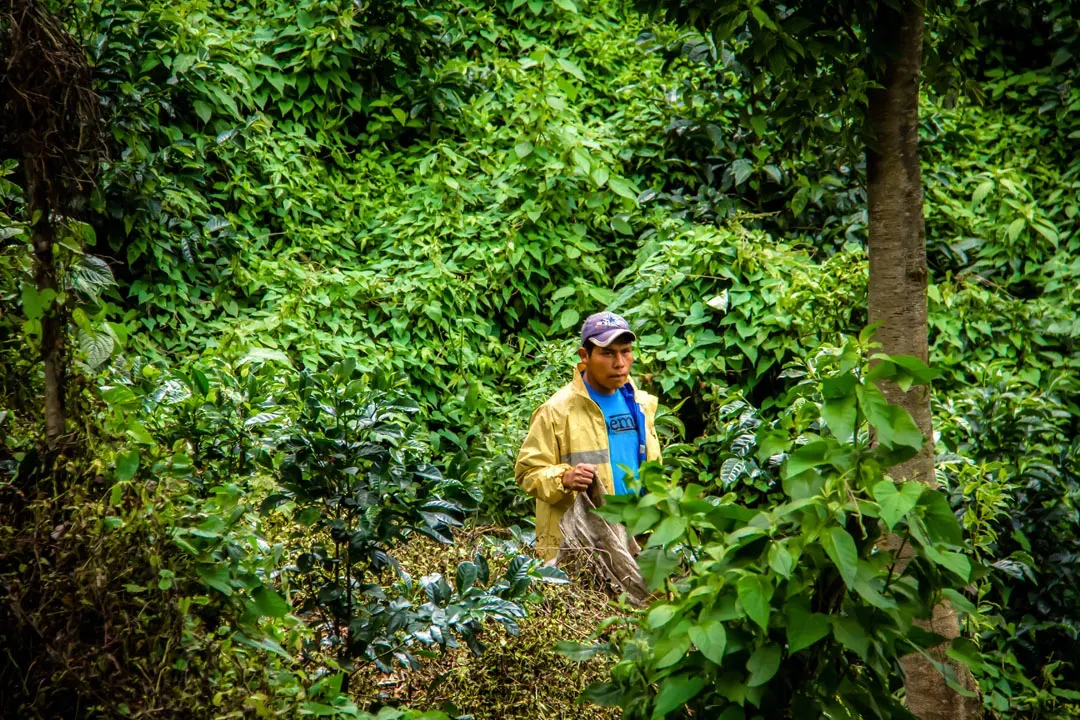
In practice, the coffee cherries are usually carefully sorted to remove defective beans before being placed in sealed fermentation tanks. Then, a specific proportion of carbon dioxide is introduced, with temperature and time precisely controlled, to allow the beans to undergo slow fermentation under anaerobic conditions. This method not only preserves more of the beans’ inherent flavors but also adds a touch of fresh tea-like notes and unique fruitiness, resulting in a cup with a more distinct layering.
The Deborah Geisha processed via CM carbonic maceration is often described as having complex flavors of longan, sugarcane, green grapes, guava, and oolong tea. These descriptions aren’t just marketing phrases—they are genuinely reflected in the aroma and taste after brewing. Upon tasting, the first impression is a clear floral and fruity note, followed by the delicate tea-like nuances reminiscent of oolong tea, and the finish leaves a subtle sweetness that lingers delightfully.
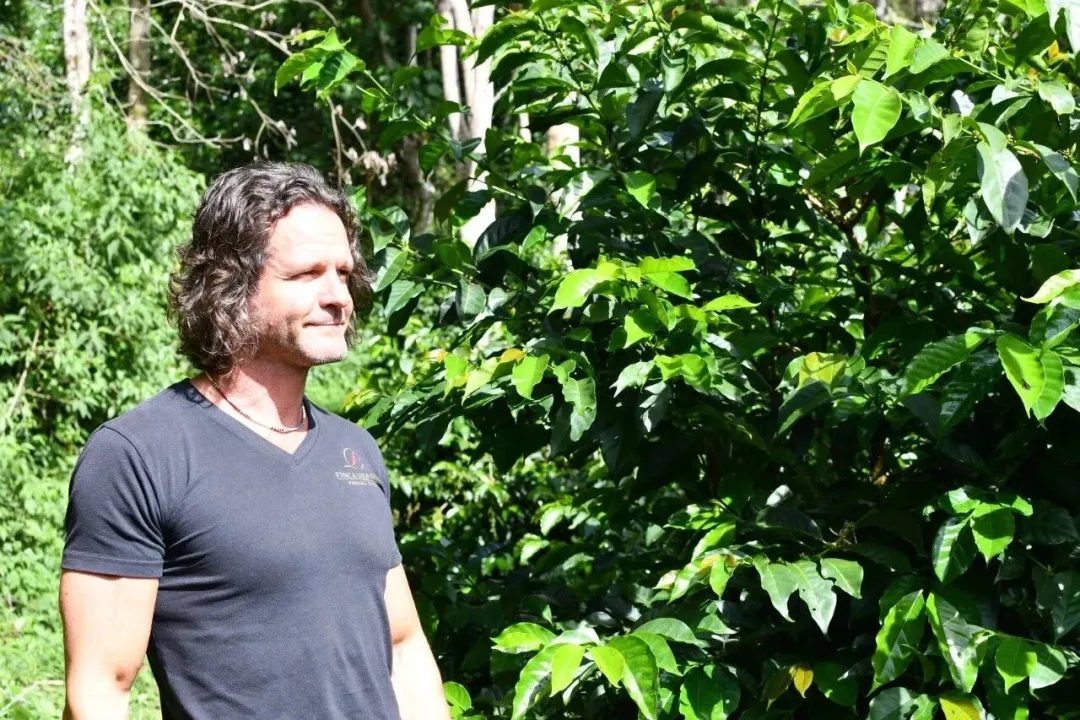
For coffee lovers who enjoy pour over brewing, this bean is definitely a must-try. A medium-light roast is recommended, and using the pour over method can fully highlight its delicate fruit and tea notes. General extraction parameters can be referenced as: grind size around medium-fine (like superfine sugar), water-to-coffee ratio of 1:15 to 1:16, water temperature maintained between 90–93°C, and a moderate flow rate during brewing, which helps balance acidity and sweetness.

In summary, Deborah Estate, with its exceptional geographical location, high-altitude cultivation environment, and innovative CM carbonic maceration processing method, has successfully created a Geisha coffee that is both uniquely flavorful and richly layered. Whether you’re looking for a representative Panama specialty bean or want to deeply explore how different processing methods affect flavor, this coffee is a choice worthy of careful appreciation.
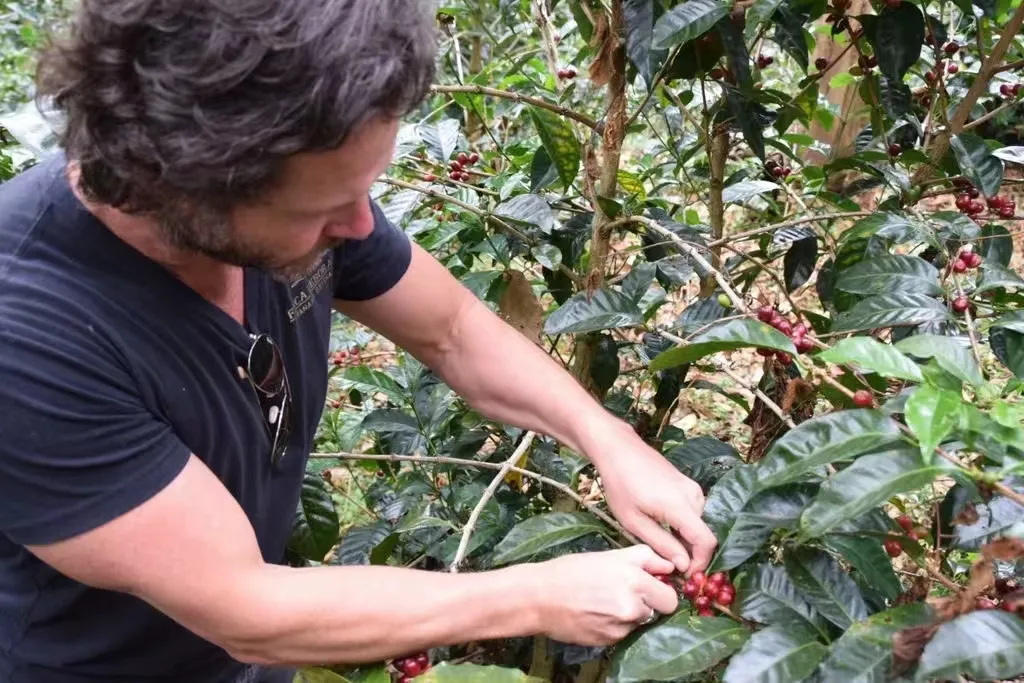
In terms of flavor profile, you’ll often notice pronounced notes of longan, sugarcane, green grapes, guava, along with a hint of the distinctive tea character of oolong tea. The overall presentation is both refreshing and layered. Such a flavor combination offers surprises and enjoyment for both professional cuppers and general coffee enthusiasts.

The above content is compiled by CoffeeHunters, a coffee news website.


