







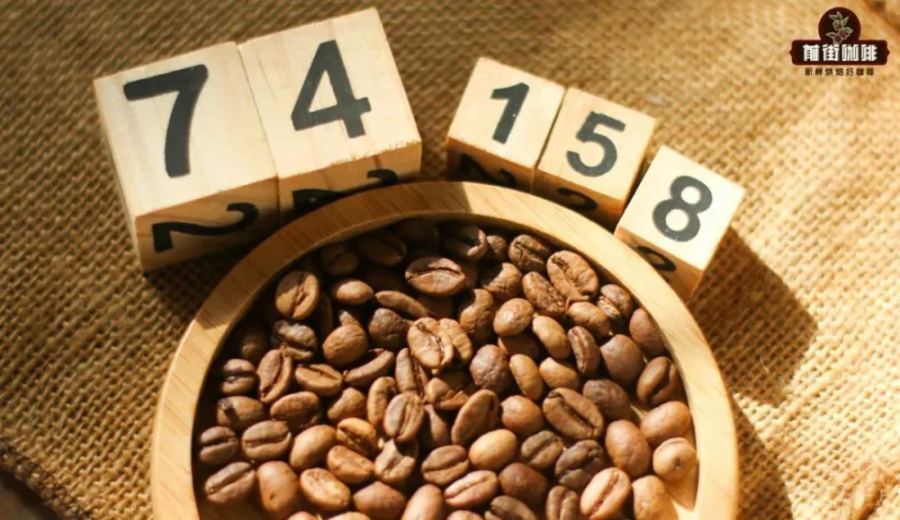
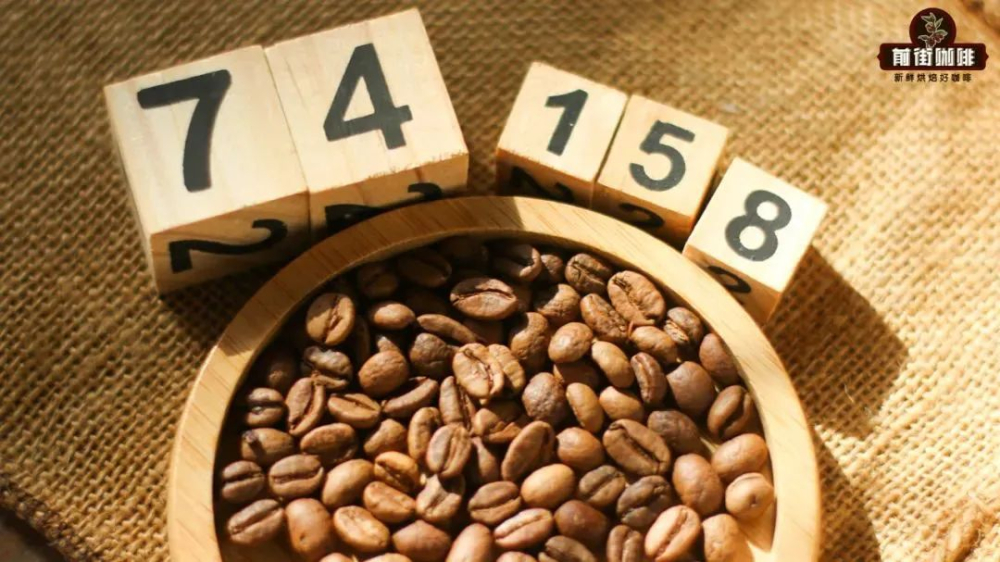
Introduction:Apart from the commonly seen "Heirloom" variety in Ethiopian coffee beans, have you noticed more and more varieties labeled with numeric codes such as 74158, 74110? Behind these numbers lies a history of disease-resistant breeding, as well as the commitment of local coffee farmers to both quality and yield. This article delves into the origins, classification logic, typical flavor characteristics, and performance in international competitions of these numbered varieties, helping you better understand every cup of Ethiopian coffee in your hand.
When selecting Ethiopian coffee, many consumers not only pay attention to origin and processing method, but also look at variety information. While the common term "Heirloom" represents the region’s rich heritage of native coffee varieties, the reality is that Ethiopia is home to tens of thousands of natural coffee varieties, making precise identification and classification extremely difficult. As a result, much of the exported coffee is often broadly categorized as "Heirloom." However, in recent years, more and more varieties with numeric codes—such as 74158 and 74110—have started appearing on packaging. These numbers aren’t arbitrary; they’re closely tied to a key disease-resistant breeding program.
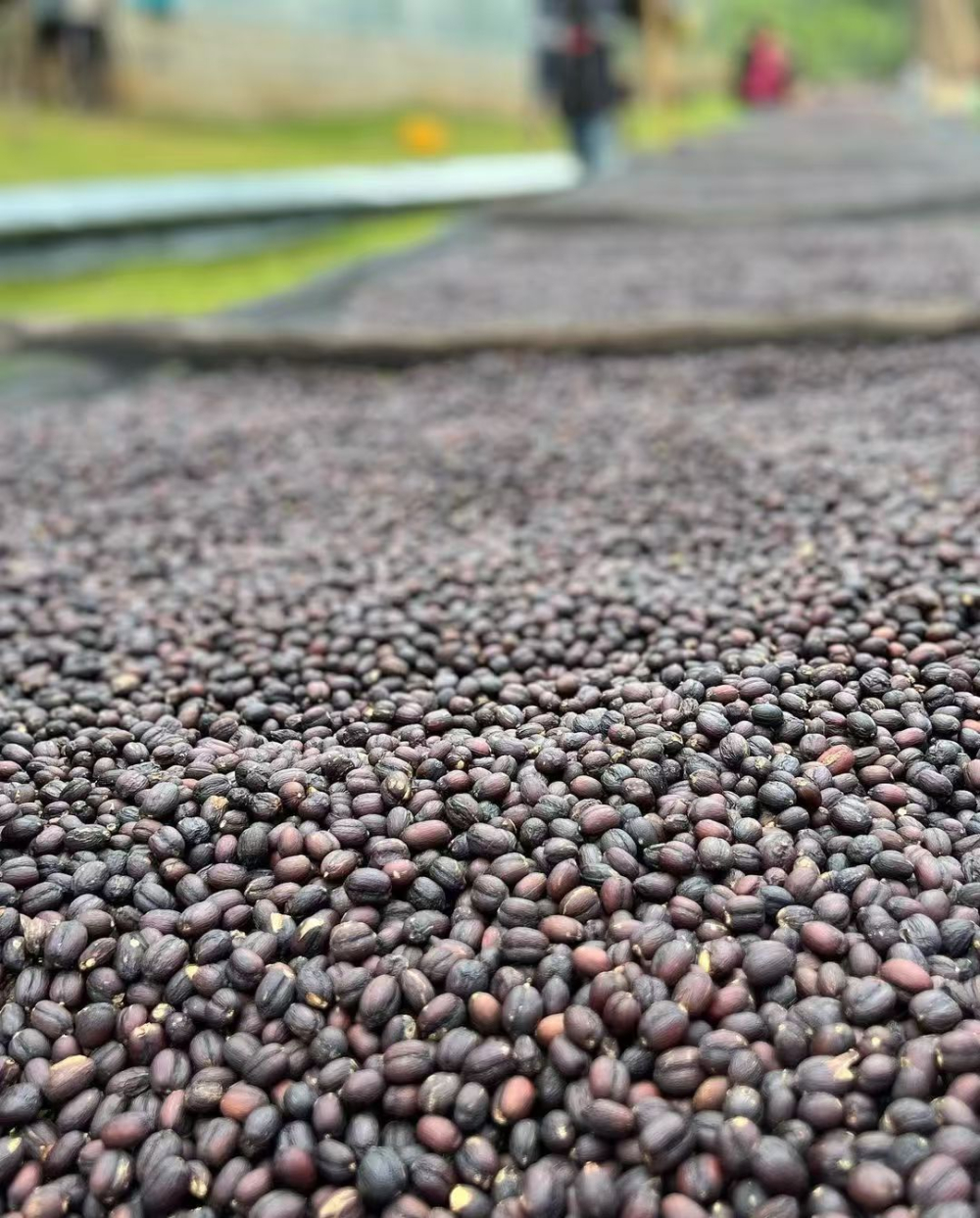
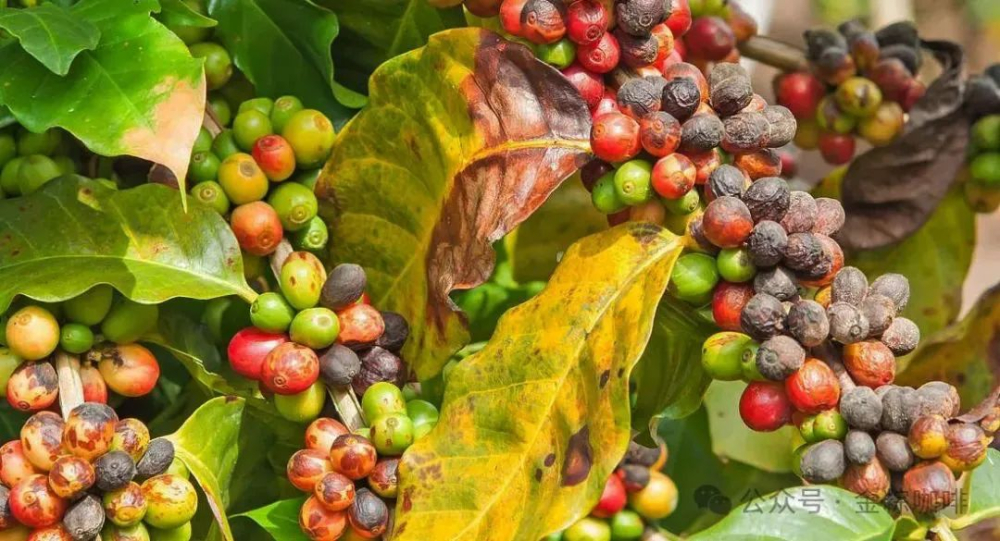
Going back to the 1970s, Ethiopia’s coffee-growing regions faced an unprecedented threat: Coffee Berry Disease (CBD). This disease causes coffee cherries to gradually turn from their original green to grayish-black, eventually drying up and dying on the branch. Infected plants often experience yield reductions of around 20%, and in severe cases, up to 70–80%. Major producing areas such as Harrar and Yirgacheffe were hit hard, dealing a significant blow to the local coffee economy.
Although farmers initially tried using chemical fungicides to suppress the disease, this method only provided temporary relief, failed to address the root issue, and could not cope long-term with the mutation and spread of the pathogen. Therefore, the Jimma Agricultural Research Center (JARC) in Ethiopia decided to launch a long-term variety screening and breeding program aimed at developing coffee varieties that were both disease-resistant and flavorful.
Starting in 1973, researchers from JARC conducted two years of intensive collection work across 19 locations in southwestern Ethiopia, gathering a total of 639 seed samples. After repeated genetic identification, field testing, and disease resistance evaluations, they successfully selected 13 varieties that exhibited high resistance to CBD, along with drought tolerance, high yield, and excellent flavor. These varieties were later included in the official 1974/1975 CBD-Resistant Selections catalog, which is the origin of the numbered varieties we see today, such as 74110 and 74158.
The numbers in the names of these varieties actually follow a logical system: the first two digits, "74" or "75," represent the year of collection or selection, while the last three digits are the sequence number of the sample for that year. For example, "74158" indicates that this was the 158th experimental variety selected in 1974. This numbering system not only facilitates tracking, but also allows growers and traders to quickly identify the background traits of each variety.
Among these 13 disease-resistant varieties, 74110, 74158, and 74112 are currently the most well-known and widely cultivated. 74110 and 74112 are mainly grown in the Sidamo and Guji regions. These two varieties typically exhibit bright citrus acidity and delicate floral notes. Because they are dwarf tree varieties with lower tree height and easier management, plus small but stable bean size, they’ve become the top choice for many coffee farmers. On the other hand, 74158 is more commonly found in Ethiopia’s southwestern regions such as Djimmah and Illubabor. Its beans are compact, small in size, and round in shape, with a flavor profile leaning toward soft berry notes, accompanied by a unique spicy aftertaste. It’s highly favored by cuppers and roasters alike.
The recent surge in the fame of these numbered varieties is directly related to Ethiopia’s Cup of Excellence (COE) competition. In the 2020 and 2021 competitions, several coffees produced from these varieties stood out, quickly gaining international market attention. Not only did their auction prices soar, but they also became hot topics in the specialty coffee scene. With the market’s growing pursuit of uniqueness and rare varieties, more and more coffee farmers are investing in the cultivation and production of these numbered varieties.
Take the 2024 Ethiopia COE competition as an example: out of 500 entries, all 27 award-winning coffees that scored above 87 points were numbered varieties. The champion, 74158, was sold for a remarkable $445 per pound, once again proving its high recognition and potential in the international specialty coffee market.
On the actual tasting front, one coffee brand introduced a lot of beans from Ethiopia’s Sidamo region made from the 74158 variety, processed using a 96-hour anaerobic natural method. After brewing, this coffee emits a distinct fermented wine aroma, with a smooth mouthfeel and refreshing flavors of tropical fruits like pineapple and citrus. The body is full and round, while the finish reveals a delicate red wine-like aftertaste—making it ideal for coffee lovers who enjoy fruity and layered profiles.
The above content is compiled by CoffeeHunters, a coffee news website.


