








Introduction:Want to tell whether the coffee beans on the market are Arabica or Robusta? This guide helps you easily distinguish between the two major types of coffee—covering everything from bean appearance and center-cut shape to growing altitude and flavor characteristics. It not only explains why Robusta is often seen as a “lower-grade” bean, but also why it still accounts for nearly a quarter of global production, turning you from a novice into an expert.
In the world of coffee, Arabica and Robusta are the two most common commercial varieties, and they differ significantly in appearance, flavor, adaptability to environment, and market positioning. Whether you’re a beginner coffee enthusiast or a roaster looking to better understand bean characteristics, knowing the difference between these two can help you make more accurate choices.
First, Arabica is hailed as the “small-bean variety.” Its cherries and beans are relatively small, but its flavor performance is outstanding. It typically features distinct floral notes, fruity acidity, and complex layers, making it highly favored in the specialty coffee market. However, Arabica’s drawbacks are also clear: it has very demanding growing requirements,usually requiring an altitude of 800 to over 2,000 meters, has weak disease resistance and low yield, all of which contribute to its generally higher price. Even so, Arabica still accounts for about70%of the world’s total coffee production, attesting to its flavor appeal.

In contrast, Robusta belongs to the “medium-bean variety,” with beans slightly larger than those of Arabica. Though its flavor is not as prominent, its survivability is extremely strong.It can grow in low-altitude areas (typically below 500 meters), boasts strong disease resistance and high yields, and contains twice the caffeine content of Arabica. These traits make it an important cash crop in many producing regions. However, due to its lower-growing environment, Robusta’s flavor often comes with noticeable bitterness, woody notes, or even a barley-tea-like character—reasons why it is often considered “inferior” within the specialty coffee circle. Still, Robusta makes up about25%a quarter
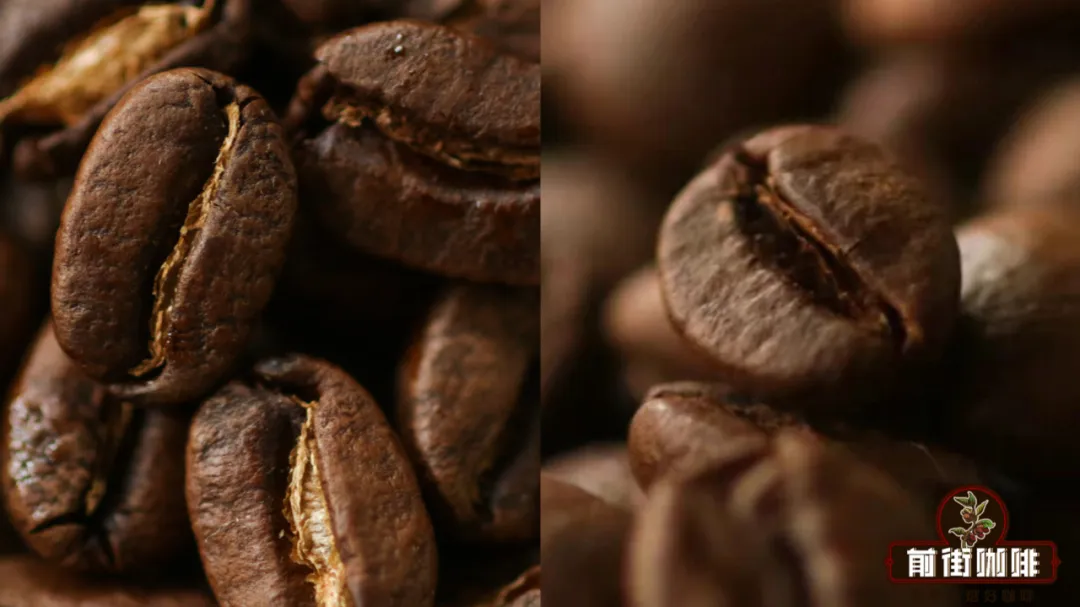
of the global coffee production, mainly used in instant coffee or certain commercial blends.So, how can you distinguish between these two types of beans in practice? One of the most straightforward methods is to observe theircenter-cut shape
. When you split a coffee bean in half, you’ll see a center line inside. Arabica’s center cut usually appears irregular and slightly curved, while Robusta’s is distinctly straight and symmetrical. This characteristic becomes an important basis for the industry to identify the two.
However, relying on just one or two beans’ appearances may not be accurate enough. Some Arabica beans, due to genetic or developmental factors, may also have a nearly straight center line—just as there are occasional exceptions between sun-dried and washed beans. Therefore, it’s recommended to observe the overall features of a whole batch of beans to improve identification accuracy.

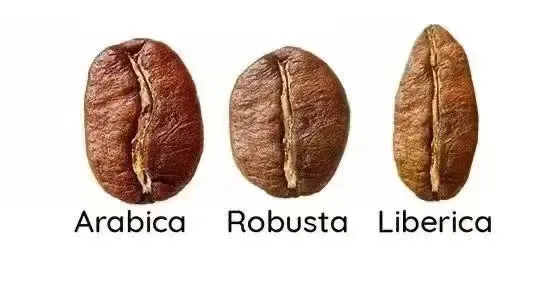
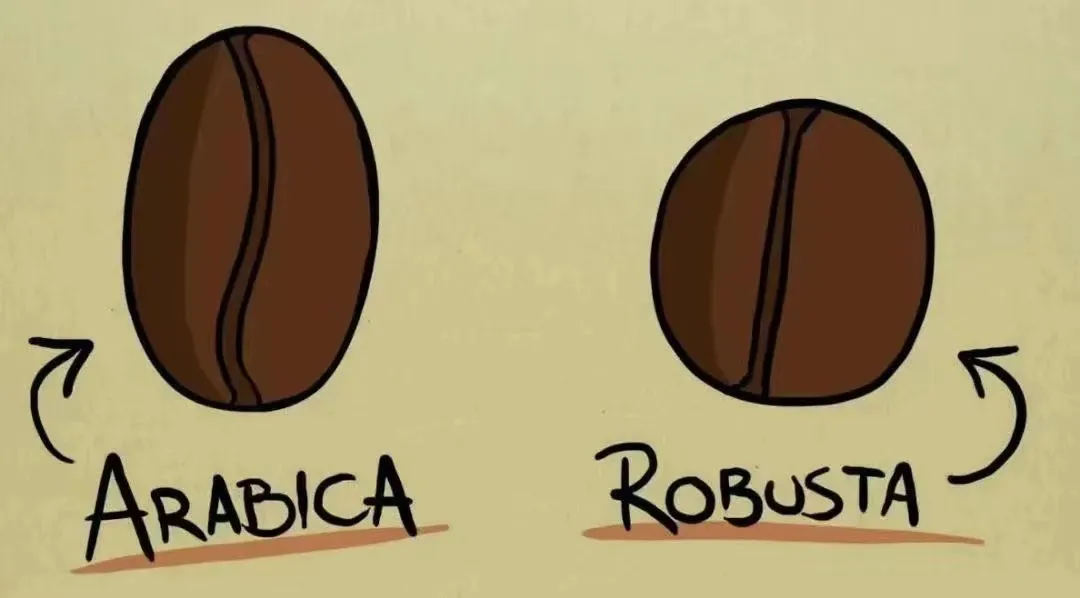
Additionally, in appearance, Robusta beans are usually rounder and plumper, while Arabica beans tend to be more oval and slightly flattened. These details aren’t absolute determinants, but when combined with the center-cut feature, they can further enhance recognition efficiency.Why does Robusta, though regarded as “low-grade,” still hold an important place in the market? The key lies in itshigh yield and strong adaptability
. For farmers in many low-altitude regions, planting Robusta not only carries lower risk but also ensures stable income. In addition, its high caffeine content naturally offers stronger resistance to pests and diseases, reducing the need for pesticides and thereby lowering cultivation costs.
From the consumer market perspective, Robusta is commonly used in instant coffee, canned coffee, or commercial blends to provide a strong flavor at a lower cost. However, in recent years, some specialty coffee brands have also begun experimenting with high-quality Robusta to produce single-origin coffee, using refined roasting and brewing techniques to uncover its unique nutty and chocolatey profiles, thus breaking the stereotype surrounding it.
In summary, Arabica and Robusta each have their pros and cons, suiting different consumer needs and market positions. If you’re after flavor complexity and layers, Arabica is undoubtedly the top choice; but if you prioritize cost-performance and stable supply, Robusta holds irreplaceable value. Understanding their differences not only helps you choose the right coffee beans, but also lets you appreciate more deeply the cultivation stories and market roles behind each type.

The above content is compiled by CoffeeHunters, a coffee news website.


