







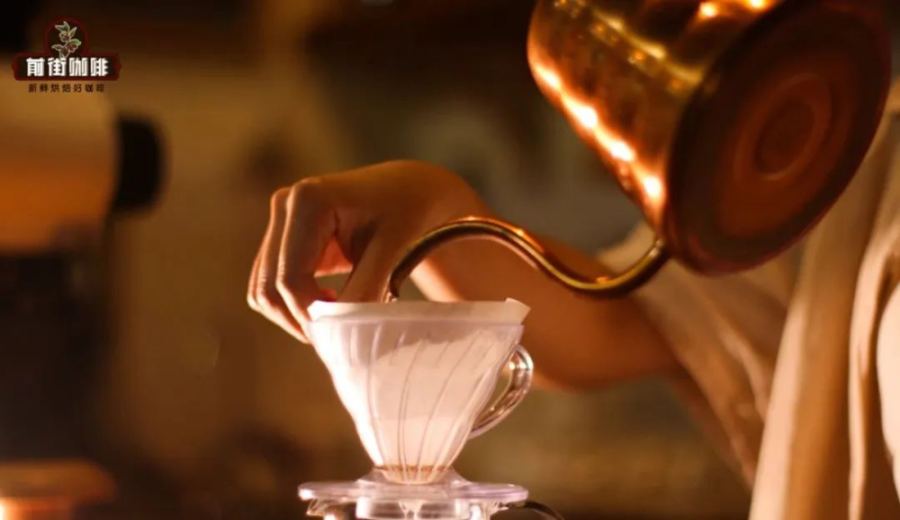
Introduction:Wetting the filter paper is a standard step in pour over brewing, but you may not have realized that how well the filter paper adheres to the filter cone can significantly alter extraction performance. Through a comparative test between the V60 and KONO filter cones, we found that whether the filter paper sits flush with the cone not only affects water flow rate, but also directly impacts coffee strength, mouthfeel, and flavor release. Let’s take an in-depth look at these differences and the principles behind them.
Before starting a pour over brew, wetting the filter paper is almost a universal practice among coffee enthusiasts. Doing so not only helps the filter stick tightly to the cone to prevent coffee grounds from passing through, but also rinses away any paper dust on the surface. It even warms up the cone with hot water, improving stability during extraction. However, most tutorials emphasize “making sure the filter sticks,” but rarely delve into how the degree of contact between the filter and the cone actually affects the final flavor and mouthfeel. This article explores this subtle difference through experiments using two common pour over cones—the V60 and KONO—under varying degrees of filter adhesion.
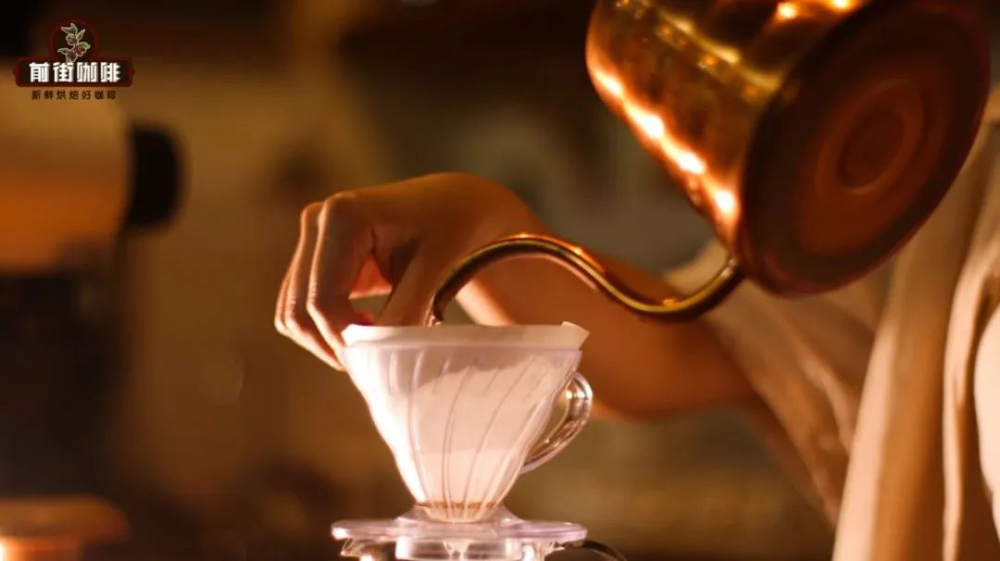
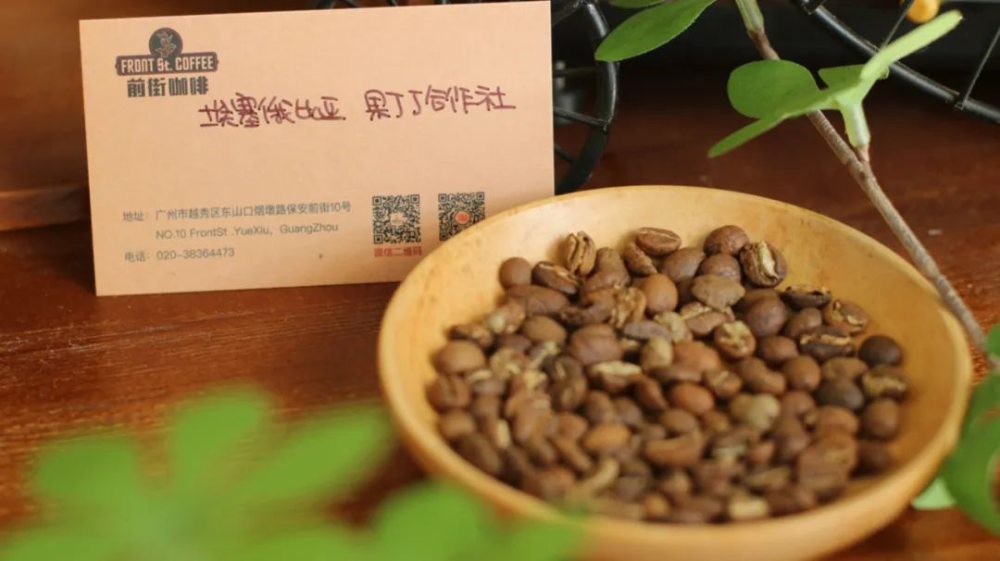
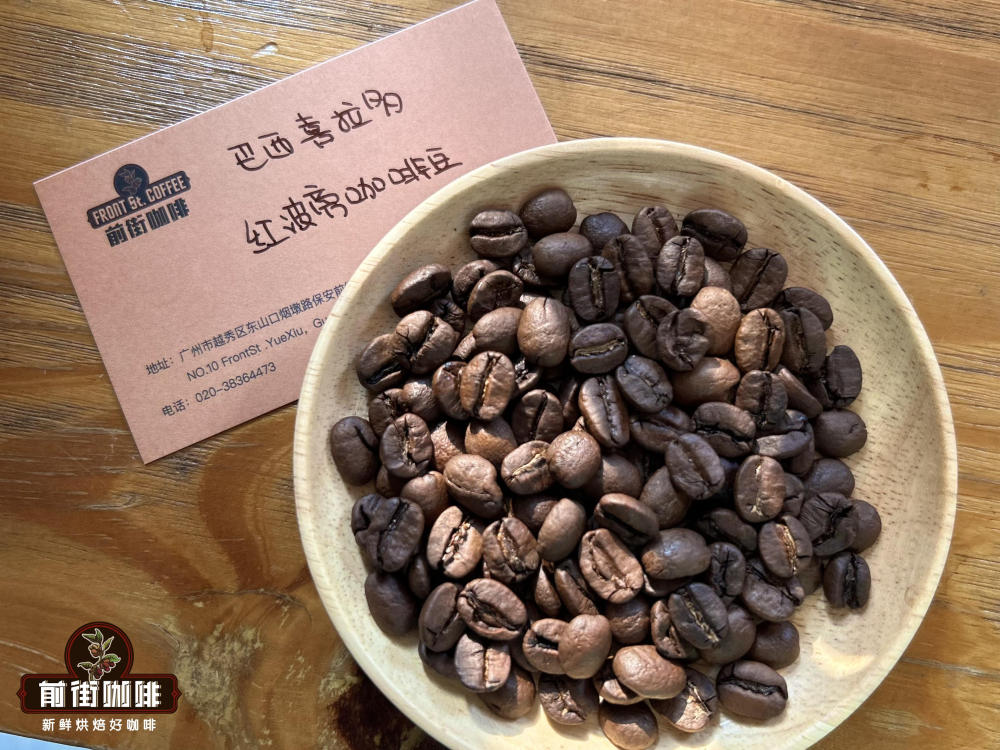
To investigate the effect of filter adhesion, we used two distinct coffee beans for comparison: one is ·Fruity Ding Ding (a washed process coffee with flavor notes of jasmine, citrus, green lime, green tea, and honey), which exhibits clear fruity and floral aromas; the other is Brazilian Red Bourbon (with prominent roasted flavors, showcasing creamy peanut and chocolate notes), highlighting nutty and caramel sweetness. During the experiment, we kept the same coffee-to-water ratio (1:15), water temperature, and grind size constant, adjusting only the fit of the filter paper to observe its real impact on coffee extraction performance.
The filter adhesion conditions in the experiment were divided into three types: the first had the filter fully adhered to the cone with no air bubbles or gaps; the second had the filter misaligned, causing half to adhere and the other half to hang loosely; the third had no adherence at all, leaving obvious gaps or large air bubbles between the filter and the cone. We then compared results across both the V60 and KONO cones.
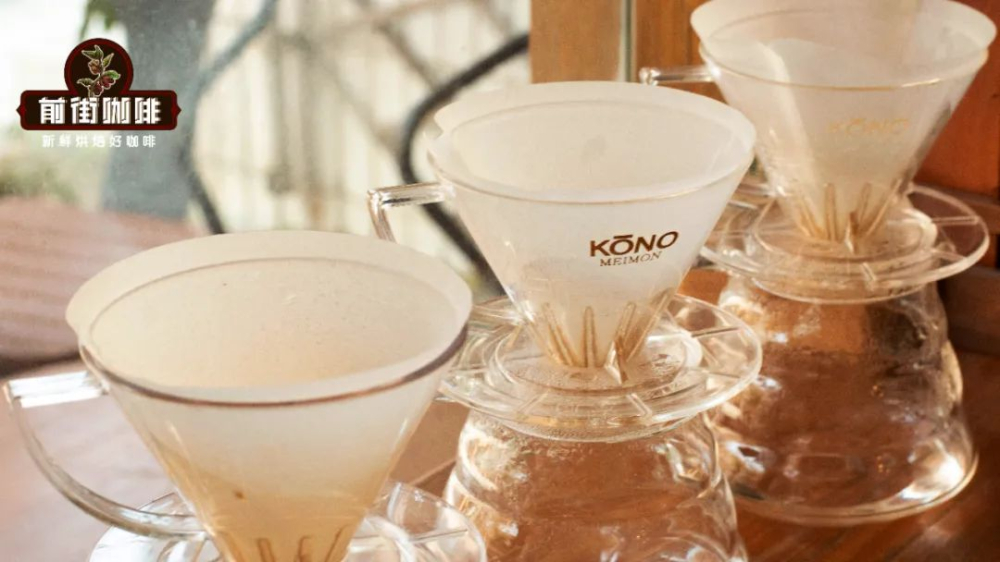
V60 Filter Cone Experiment Results:
The extraction times for the three brews were 1 minute 54 seconds, 2 minutes 4 seconds, and 2 minutes 12 seconds respectively, with TDS concentrations of 1.12%, 1.19%, and 1.26%. In terms of flavor, all three brews displayed the typical floral and fruity characteristics of washed coffee, including delicate floral notes, citrus acidity, yellow stone fruits (such as peach and apricot), some almond-like tones, and a green tea-like clean finish. However, when the filter did not adhere fully, the latter two brews showed noticeably increased body, with more pronounced acidity and bitterness. Especially the third brew—where the filter was completely unattached—resulted in a heavier mouthfeel, and even a slight astringency in the aftertaste, indicating signs of over-extraction.
KONO Filter Cone Experiment Results:
The extraction times for the three brews were 2 minutes 7 seconds, 1 minute 54 seconds, and 1 minute 46 seconds respectively, with relatively faster extraction. The TDS concentrations were 1.13%, 1.06%, and 0.98%, showing a clear decrease in extraction yield as filter adhesion decreased. Flavor-wise, the first brew was well-balanced, featuring creamy chocolate, caramel cookies, and a mellow Pu-erh tea-like finish with good aftertaste. The second brew had weaker aroma, less noticeable chocolate flavor, and a slightly thin mouthfeel. As for the third brew, it showed almost no distinct aroma, had a rough texture, and exhibited clear burnt bitterness, indicative of under-extraction.
From the combined results of both experiments, we can see that:Whether the filter paper adheres fully to the filter cone directly influences how quickly and evenly water passes through the coffee bed, thereby altering extraction yield, concentration, and ultimately the mouthfeel.Even when using the same beans and basic parameters with both types of cones, differences in filter adhesion alone can lead to significant variations in coffee flavor.
Notably, the V60 cone is designed with multiple spiral ribs, intended to help the coffee grounds absorb water evenly and create appropriate expansion space, while guiding the water flow through the coffee bed to produce moderate pressure, resulting in rich layers and clear flavors. However, when the filter does not adhere properly, parts of the coffee bed lose the support of the ribs, leading to a “collapse” or partial voids in the coffee bed. This causes water to flow unevenly, concentrating through the areas where the filter is attached, resulting in uneven extraction—some areas being over-extracted, others under-extracted—ultimately affecting the overall balance of the cup.
In contrast, the KONO cone has a smooth inner surface with only a few guide ribs at the bottom. Its design aims to allow water to slowly seep upward from the bottom, prolonging the contact time between water and coffee grounds, making it suitable for immersion-style extraction of dark roasted beans. But if the filter is not tightly attached, it can easily create “water channels” inside the cone, allowing water to bypass proper extraction and flow directly to the bottom. This prevents full release of aroma and flavor compounds, resulting in a thin-tasting coffee with noticeable bitterness.
The above content is compiled by CoffeeHunters, a coffee news website.


