







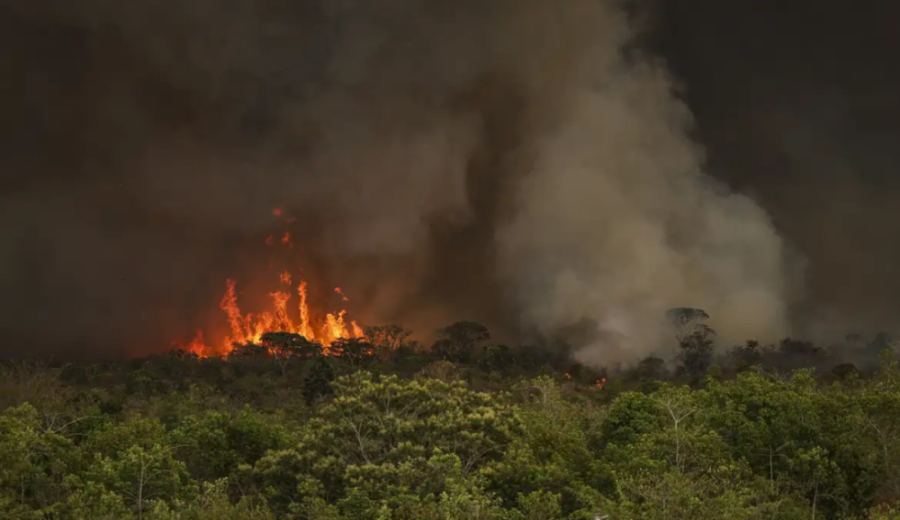
Introduction:Since 2024, Brazil has been hit by persistent high temperatures, droughts, and large-scale wildfires, causing severe damage to crops and forests, with coffee-growing regions also affected. Although some areas have recently received rainfall, short-term precipitation is insufficient to compensate for long-term water shortages, and the new harvest season’s coffee output remains under pressure. This article delves into the impact of Brazil’s unusual weather on the coffee supply chain and explores the reasons behind current export disruptions and rising prices.
From the start of 2024 to the present, Brazil has experienced frequent high temperatures accompanied by severe wildfires, with widespread forests and farmland burned and significant overall agricultural losses. Coffee-growing regions have also been notably impacted. Although some southern areas have seen rainfall in recent weeks, the brief and uneven distribution of rain has not effectively alleviated the prolonged drought, and expectations for the new harvest’s coffee yield remain pessimistic. Meanwhile, despite strong export figures, port logistics bottlenecks have left large amounts of coffee stranded, further driving up international market prices.
According to statistics from Brazil’s Ecosystem Mapping Monitoring Network (MapBiomas), from January to September 2024, a total of 22.38 million hectares of forests and farmland across the country were affected by wildfires. In September alone, 10.65 million hectares were burned—nearly equivalent to the total of the previous eight months and a surge of about 150% compared to the 8.98 million hectares in the same period of 2023. Among the affected areas, native vegetation accounted for 73% of the total burnt area, while farmland made up 20.5%.
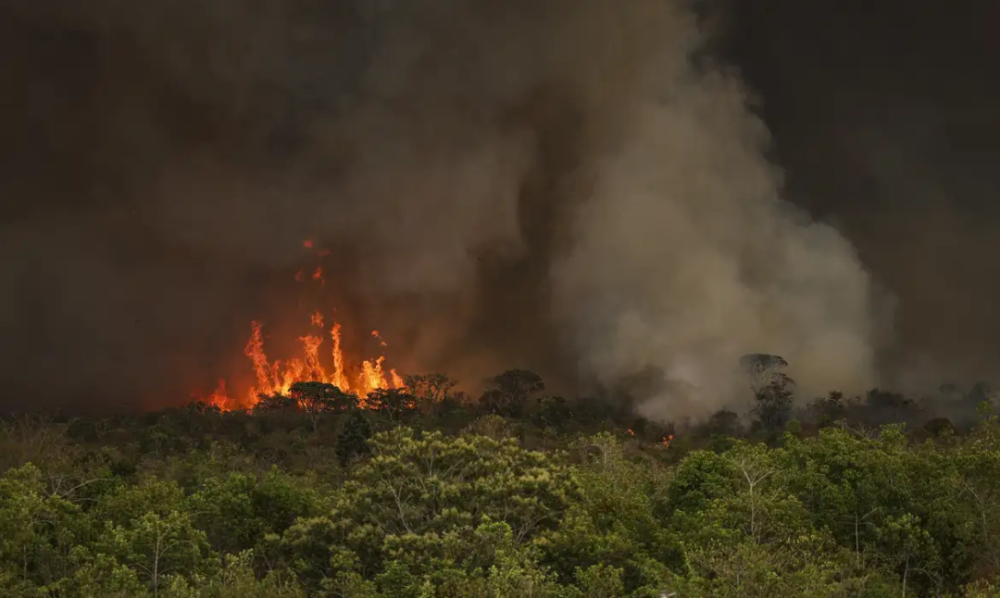
Among all affected regions, the Cerrado vegetation zone and the Amazon vegetation zone within the state of Amazonas suffered particularly severe damage. By September, 11.3 million hectares of native vegetation in the Amazon zone had been burned, while the Cerrado area also saw 8.4 million hectares damaged. Notably, September coincided with the peak of the dry season in these regions, leading to rapid fire spread that not only destroyed vast forested areas but also threatened nearby towns. According to estimates by Brazil’s National Confederation of Agriculture and Livestock (CNA), fires caused at least 14.7 billion Brazilian reais in comprehensive agricultural losses between June and August alone.
This wave of extreme weather has not only damaged the natural environment but also triggered a chain reaction affecting Brazil’s energy and agricultural production. Due to insufficient rainfall, hydropower generation has sharply declined, causing electricity prices to spike by 5.36% in September, further burdening both household and industrial costs. Moreover, intensified drought has led to severely low soil moisture, hindering crop growth. Agricultural productivity is expected to remain depressed for months or even years to come, and ecosystem recovery will also take a long time.
The good news is that after a prolonged period of high temperatures and drought, Brazil is about to experience a wave of rainfall. Brazil’s National Institute of Meteorology predicts that in the coming days, significant precipitation will occur in southern states such as Rio Grande do Sul, Santa Catarina, São Paulo, Goiás, and Minas Gerais. Although this rainfall may help alleviate drought conditions in some areas and to some extent curb the spread of fires, its duration is expected to be short, with subsequent precipitation gradually decreasing. Particularly in central regions, including São Paulo, temperatures are expected to remain high, around 26°C, offering limited benefits to the growing environment of coffee trees.
Surprisingly, despite the adverse weather, Brazil’s coffee export data has performed strongly. According to data from the Brazilian Coffee Exporters Council (Cecafe), in September 2024, Brazil exported 4.464 million bags of coffee (calculated at 60 kilograms per bag), marking a significant year-on-year increase of 33.3%. However, the export performance has not fully translated into actual supply, as port congestion has left numerous containers and ships delayed, resulting in approximately 2 million bags of coffee being unable to be shipped on time, creating additional losses and financial pressure for exporters.
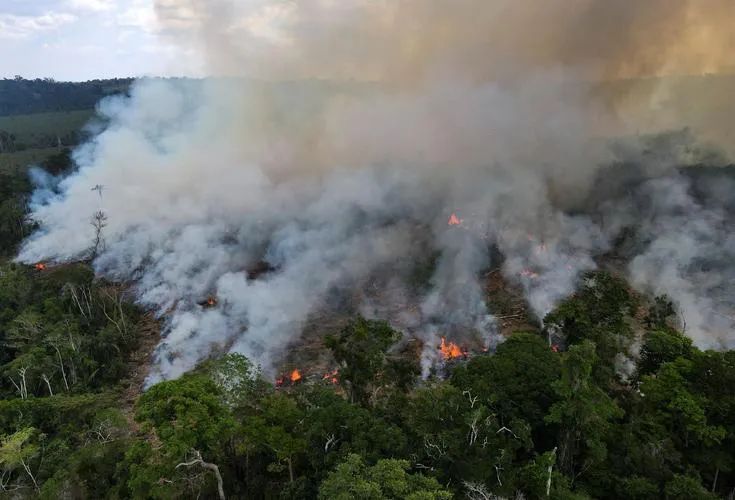
These supply chain issues, coupled with abnormal weather in coffee-growing regions, have led to persistently high coffee prices in both local and international markets. Particularly for the Robusta variety, with Vietnam’s new harvest season also reporting reduced output, Robusta’s spot average price in Brazil in September has actually exceeded that of Arabica. Specifically, the current spot price of Brazilian Arabica coffee is around 1,472.73 Brazilian reais per bag, while Robusta has reached 1,497.46 Brazilian reais per bag, with a price difference of approximately 24.73 Brazilian reais.
Overall, although some regions in Brazil have recently received rainfall, it is still a drop in the bucket for alleviating the damage caused by prolonged drought and high temperatures. The new harvest’s coffee output is expected to remain constrained and is unlikely to easily return to normal levels. Coupled with the double blow of logistics bottlenecks and rising production costs, the supply and price trends of Brazilian coffee in the global market will continue to face high uncertainty in the foreseeable future.
The above content is compiled by CoffeeHunters, a coffee news website.


