








Introduction:During pour over or espresso preparation, coffee grounds clumping, sticking to the walls, or large bubbles forming in milk foam are common issues faced by many baristas and home enthusiasts. These seemingly minor details can directly affect extraction consistency and the final flavor profile. This article delves into the causes of static electricity and how to address it, while also introducing the shaking technique to effectively improve milk foam texture—making your coffee brewing smoother and your flavors more outstanding.
Many coffee lovers, when watching baristas at work, often notice them tapping the counter or shaking the milk pitcher from time to time. These actions actually serve professional purposes, primarily addressing two common problems: clumping and wall adhesion caused by static electricity, and the formation of large bubbles when frothing milk. Understanding these details can help you enhance the stability and taste of your coffee-making.
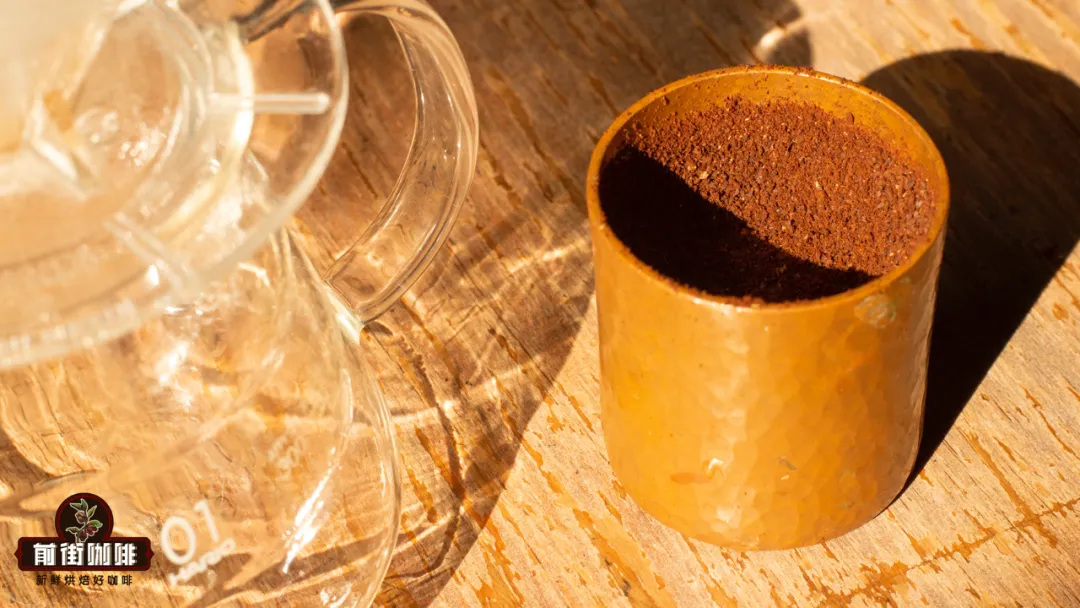
Let’s first discuss the issue of static electricity. Especially during the dry seasons of autumn and winter, friction during coffee bean grinding can easily generate static, causing fine particles to cling together, form clumps, or even stick to the grinder’s chute or the inner walls of the server—ultimately affecting the uniformity of water contact with the grounds and leading to inconsistent extraction. To combat this, baristas often tap the counter or areas around the grinder in an attempt to break up clumped or stuck coffee particles. However, overly frequent or forceful tapping not only may disturb others but also doesn’t truly solve the problem at its source.

To tackle static electricity, there is a widely adopted method in the industry known as RDT (Ross Droplet Technique), introduced by coffee expert David Ross. The core idea of this technique is simple: before grinding, lightly spray the coffee beans with a fine mist of water. By increasing the moisture level on the surface of the beans, static generated by dryness is reduced, which in turn minimizes fine particle clumping and wall adhesion. In practice, it is recommended to use a small spray bottle that can atomize water, applying just a few droplets each time to evenly coat the surface of the beans. Too much moisture can not only alter the flavor of the coffee but may also negatively affect the burrs of the grinder.
If using a water mist is inconvenient, there are alternative solutions. For instance, you can place the coffee beans on a soft surface such as a cloth-covered counter, rubber mat, or a dedicated anti-static pad while grinding to reduce the chance of static buildup due to direct impacts on hard surfaces. Additionally, choosing the right grinder and grind size can also help reduce static issues, especially when using light or medium-light roasted beans, which are more prone to charging.
Now let’s talk about another common issue: large bubbles in milk foam. When making hot milk-based coffees like lattes and cappuccinos, the texture of the frothed milk is crucial. Excess large bubbles not only hinder the smoothness of latte art but also affect both the taste and appearance of the drink. To address this, baristas often employ the technique of “tapping the milk pitcher,” commonly referred to as “shaking the pitcher” or “震缸 (zhèn gāng).” By rhythmically tapping the bottom or sides of the pitcher, they cause bubbles to burst and result in a finer, more uniform milk foam texture.
The shaking motion may seem simple, but it does involve some technique. It is generally recommended to gently tap the middle to lower part of the milk pitcher with your palm or knuckles, applying even force—usually around 3 to 5 taps. The tapping location and number of taps should be adjusted based on the state of the milk foam. If there are many bubbles, you can slightly increase the number of taps, but be careful not to tap too hard to avoid affecting the milk temperature or causing unnecessary splashing.
This technique is not only useful for professional baristas, but also practical for home coffee enthusiasts who want to try their hand at latte art. With the correct shaking motion, you can effectively improve the quality of your milk foam, making your final coffee drinks look more professional and taste smoother.

In summary, every detail in coffee preparation—including static control and milk foam handling—affects the final extraction and flavor presentation. Using the RDT technique to reduce static and mastering the shaking technique to eliminate bubbles are practical methods to elevate your coffee-making. Without drastically changing your workflow, paying attention to these small elements can help you make each cup of coffee closer to perfection.
The above content is compiled by CoffeeHunters, a coffee news website.


