







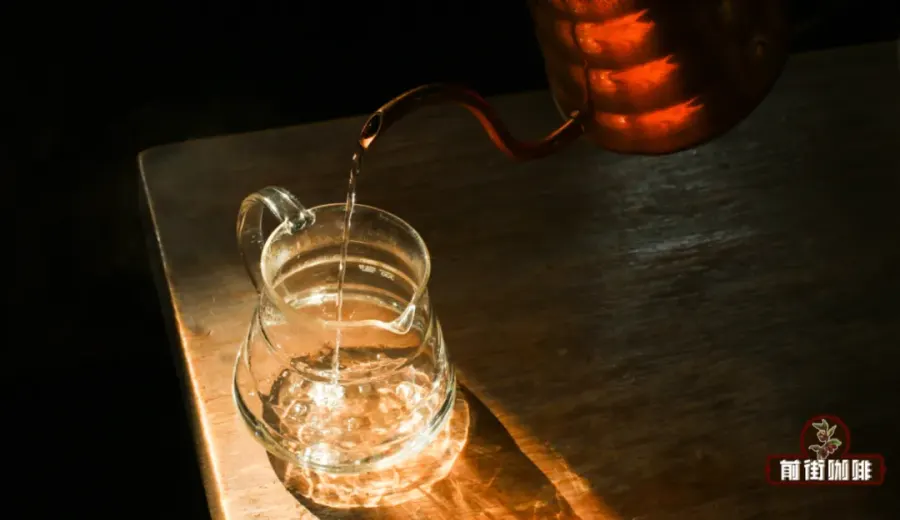
Introduction:Many coffee enthusiasts pay attention to the TDS value when selecting brewing water, but few delve deeply into whether water has been repeatedly boiled. Some worry that multiple boilings may alter the water’s properties, thereby affecting extraction efficiency and flavor expression. To clarify these concerns, we conducted a series of experiments—monitoring TDS changes and conducting sensory evaluations—using a medium-light roasted Sidamo · Huakui 8.0 as an example. We compared the extraction performance of water boiled for the first to fourth times to help you understand whether repeatedly heated water is truly unsuitable for pour over coffee.
In the coffee brewing process, water quality often plays a critical role, with TDS (Total Dissolved Solids) being a key metric many use to assess suitability. However, beyond TDS, there’s another commonly overlooked detail—whether the water has been boiled multiple times. Some coffee lovers believe that reboiling alters the water’s nature, impacting extraction efficiency and overall flavor, even deeming it unfit for brewing. Does repeatedly boiled water really cause noticeable differences? Let’s find out through experimentation.
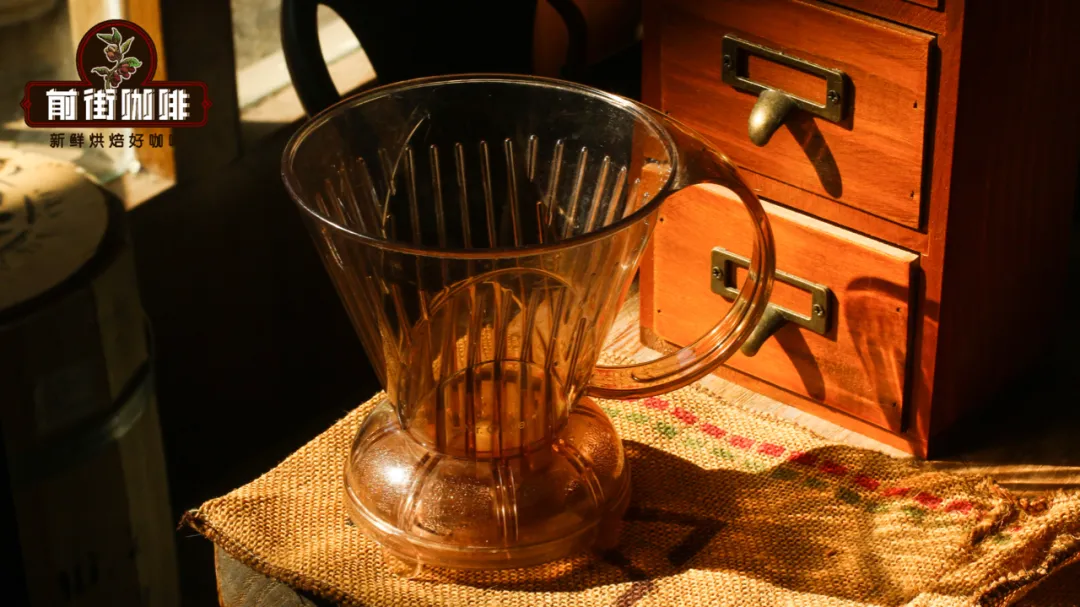
To test this claim, we designed a controlled experiment using a medium-light roasted Ethiopian Sidamo · Huakui 8.0 as the brew bean. We brewed with a siphonless dripper (clever dripper), using water boiled for the first to fourth times, while simultaneously recording each batch’s TDS value and final coffee concentration. This data-assisted approach helped us evaluate flavor variations. All experimental parameters were kept constant: 15g coffee dose, grind size referencing the Ek43 grinder at setting 9.5 (similar to coarse sugar, ~85% passing through a #20 sieve), brew ratio 1:15, water temperature maintained at 94°C, and immersion time of 4 minutes—all to minimize variables and ensure consistency.
Recreating the experiment: How were variables controlled?
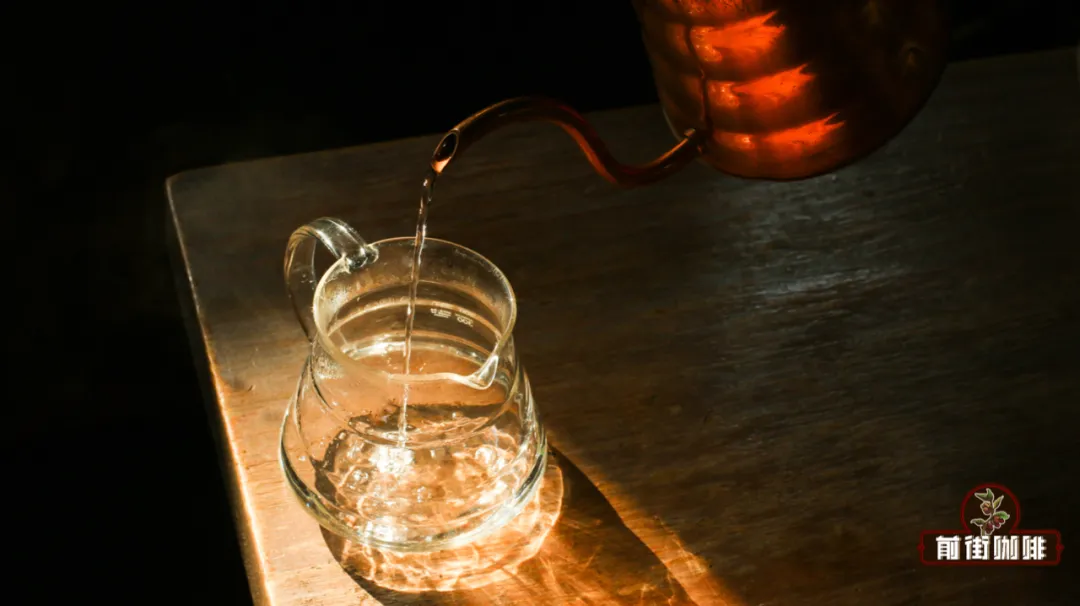
We chose the clever dripper for immersion brewing primarily to eliminate inconsistencies in pouring technique and flow rate control often seen in pour over methods, ensuring identical conditions across all trials. Before each experiment, water was boiled immediately before use, with leftovers cooled to room temperature before TDS measurement (since TDS pens aren’t suitable for hot water). The water was then boiled again for the second, third, and fourth brews, with each round’s water quality and coffee performance meticulously recorded.
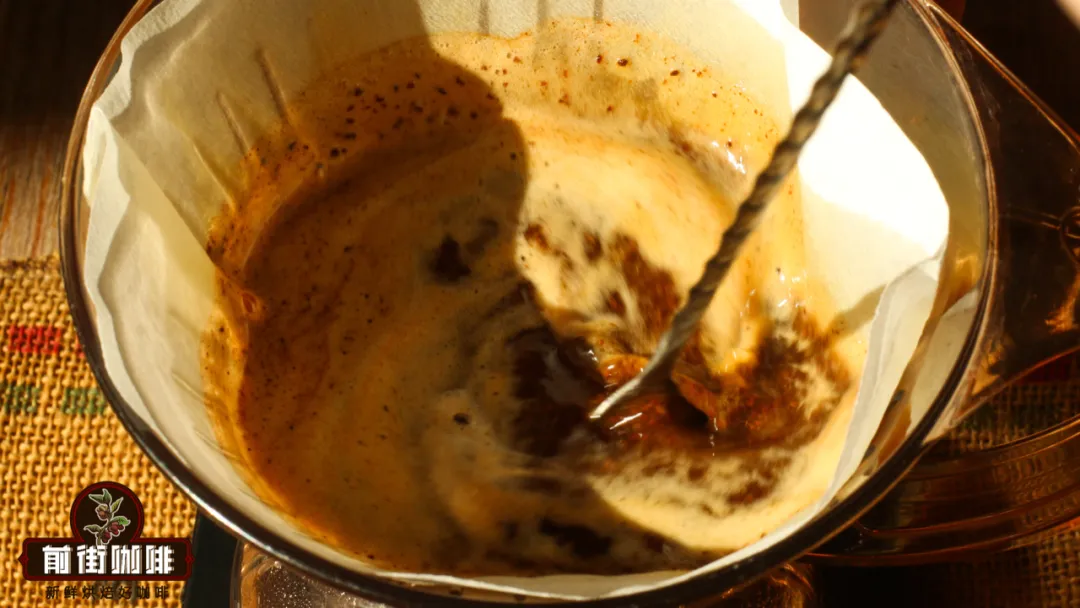
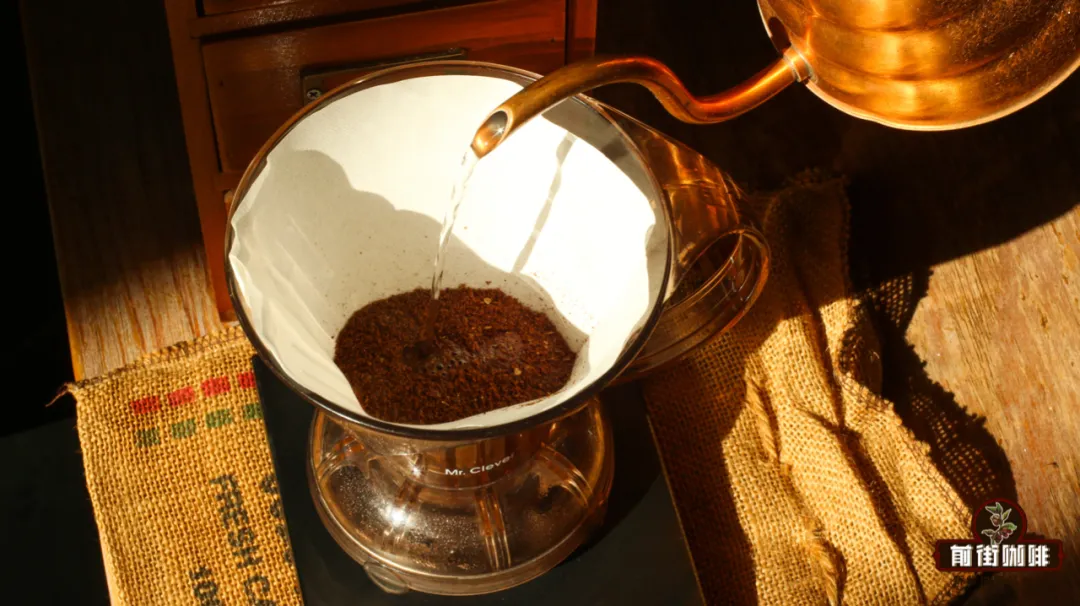
The brewing process followed standard steps: placing a trapezoidal filter paper, adding 15g of coffee grounds steadily, then slowly pouring hot water. Next, a stirring spoon was used to circle and mix evenly about 10 times, ensuring full contact between coffee and water. After a 4-minute rest, the clever dripper was placed over a container to filter, completing the extraction.
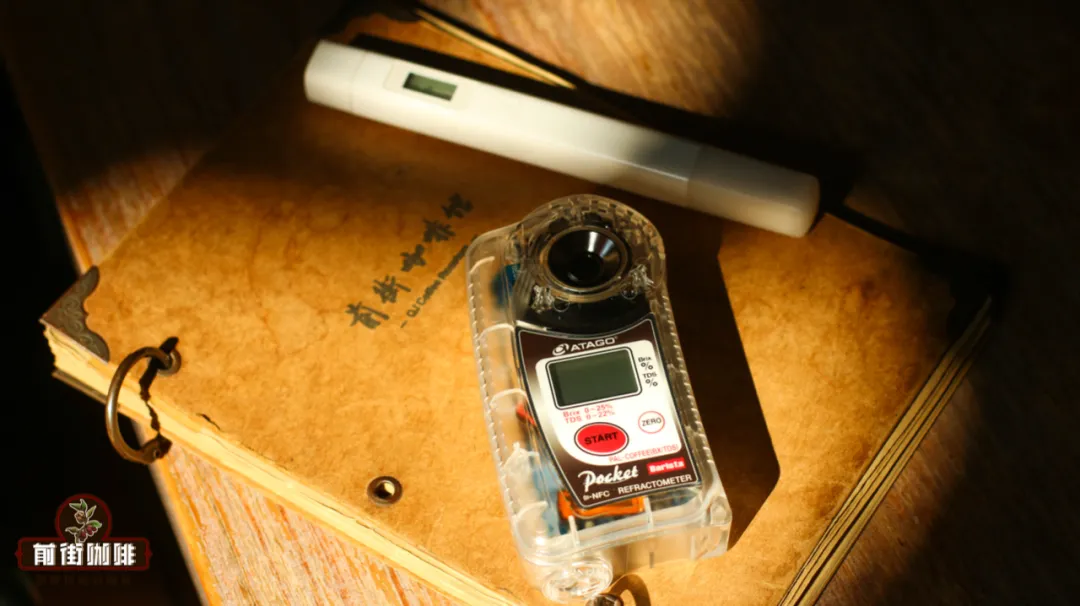
To better understand the differences between each batch of water, we conducted concentration tests and sensory evaluations at various stages. Additionally, the TDS values of the water—after cooling—were measured each time to observe whether repeated heating caused significant changes in total dissolved solids.
TDS Change Analysis: What’s the difference between once-boiled and four-times-boiled water?
Below are the TDS values we measured for water boiled one to four times (using the common bottled mineral water “Nongfu Spring”):
- First boil: TDS value was 34 ppm
- Second boil: TDS value rose to 38 ppm
- Third boil: TDS value was 43 ppm
- Fourth boil: TDS value further increased to 47 ppm
The data shows that as boiling times increased, TDS values exhibited a gradual upward trend, though the overall variation remained relatively small. This may relate to the loss of some volatile substances during heating and the relative concentration of minerals, but the values still fall within the generally accepted TDS range suitable for coffee extraction (typically recommended around 30–150 ppm).
Practical Extraction and Flavor Performance Differences
Beyond data, actual coffee flavor serves as a critical evaluation benchmark. Based on multiple tastings, coffee brewed with first-boiled water exhibited the most refreshing profile, with clear layers, balanced sweetness and acidity. As boiling times increased, some testers noted a slight decline in the coffee’s “vibrancy,” particularly in the third and fourth rounds where flavor sharpness diminished slightly. The overall mouthfeel leaned smoother, yet maintained good clarity and sweetness.
Notably, although TDS values rose, the impact on extraction yield remained minimal as long as the values stayed within reasonable limits. Experimental data showed limited differences in coffee concentration across brews, all falling within the ideal extraction range (~1.15%–1.35%). This suggests that even with multiple boilings, the fundamental extraction results remain controllable as long as water quality doesn’t exhibit obvious abnormalities.
Summary and Brewing Recommendations
Based on the experiment’s TDS data and sensory results, here are some key takeaways:
- Repeatedly boiled water sees a gradual TDS increase due to water evaporation and relative mineral concentration, but the variation is usually minor and remains within the suitable range for coffee extraction.
- In terms of actual extraction performance, multiple boilings do affect coffee flavor to some degree, but differences may not be significant, mainly manifesting in vibrancy and layering.
- For optimal flavor, freshly boiled water is recommended. But if conditions are limited, using second or even third-boiled water is acceptable and won’t lead to noticeably poor extraction.
- The focus should remain on stable water quality, absence of off-odors, reasonable TDS values, and consistent brewing parameters.
In summary, while claims like “repeatedly boiled water shouldn’t be used for coffee” hold some merit, the actual impact isn’t absolute. As long as basic water quality meets brewing needs, even non-first-boiled water can still produce a decent pour over. For daily brewing, there’s no need to overly stress about boiling frequency—instead, prioritize water temperature control, grind pairing, and consistent brewing techniques to reliably extract the essence of coffee’s flavors.
The above content is compiled by CoffeeHunters, a coffee news website.


