







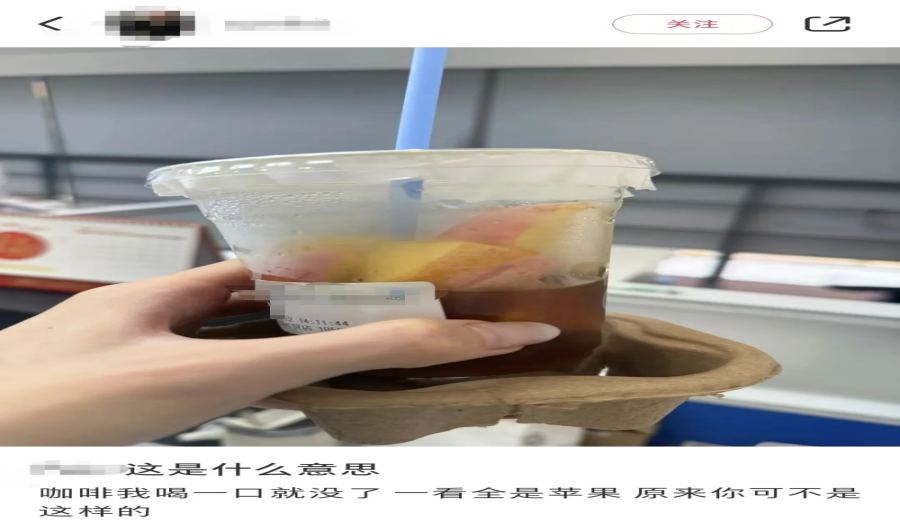
Introduction:Adjusting beverage recipes is a common practice in the coffee industry. However, when apple slices are replaced with apple chunks and the proportion of coffee liquid is reduced, consumer reactions tend to be polarized. Some view it as an upgrade, while others criticize the drop in value for money. This article delves into the reasons behind such adjustments, including food safety considerations, cost control, and customer taste preferences, and analyzes how loyal customers react sensitively to flavor changes—helping readers understand the multiple factors behind beverage recipe modifications.
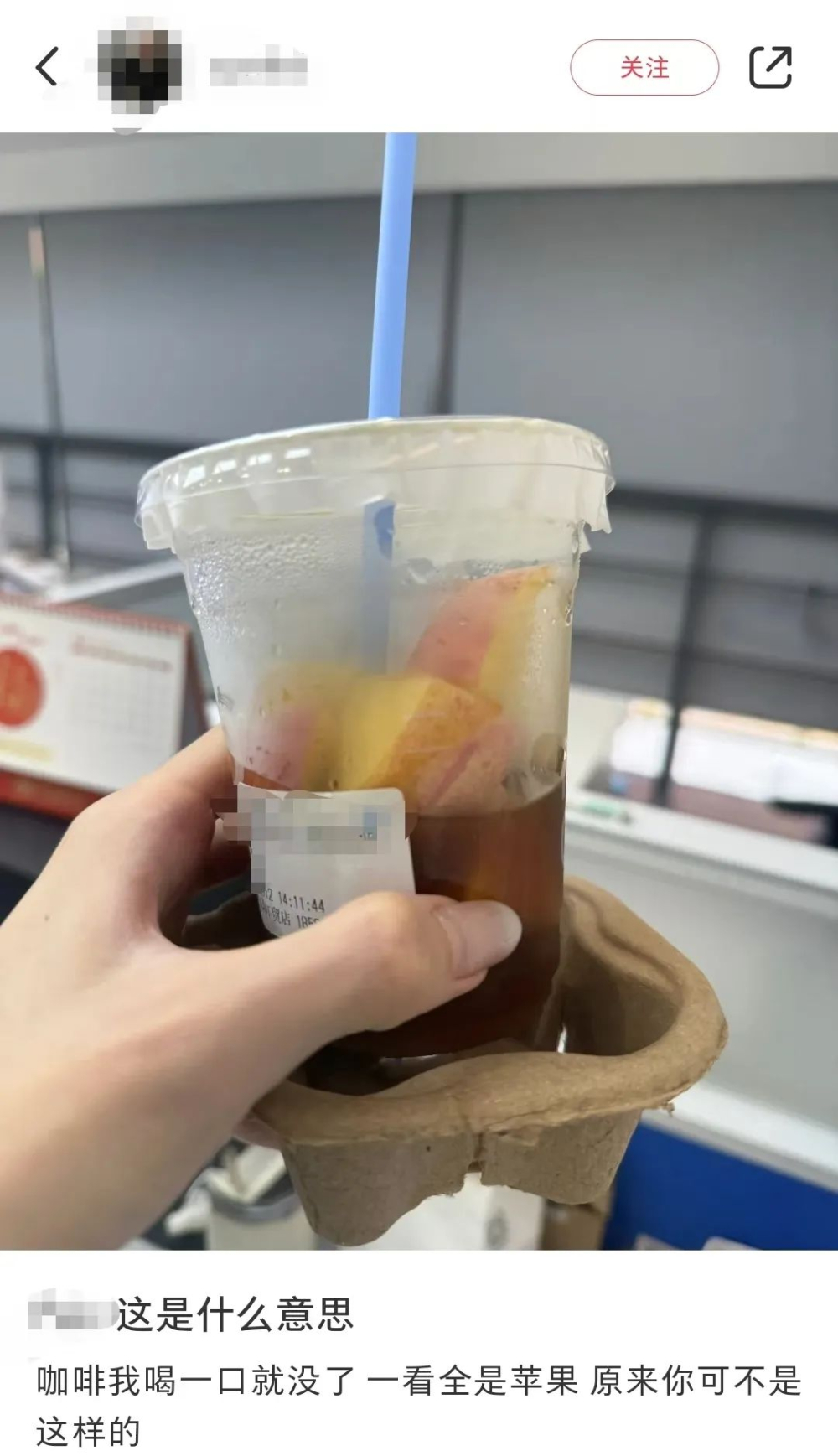
It’s common for coffee shops to tweak beverage recipes based on customer feedback to enhance user experience. Recently, however, some netizens reported that a particular drink had been changed from using apple slices to apple chunks, resulting in a noticeable reduction in coffee liquid—making the entire beverage seem more like “buying coffee with a side of apple,” sparking considerable discussion. Some questioned whether this was a downgrade in disguise, arguing that the value for money was not as good as before, while others expressed concern that the coffee flavor had been diluted.
According to feedback, the original recipe included only a single slice of dried apple, with the rest primarily being coffee liquid, creating a well-balanced drink where the coffee flavor stood out. In the new recipe, however, apple chunks occupy nearly half or more of the drink’s volume, reducing the proportion of coffee and affecting both the overall taste and the sense of satisfaction. For customers accustomed to the original version, this change represents a significant letdown.
Some observers have pointed out that such changes may be aimed at avoiding food safety complaints. For instance, using apple slices as garnish in the past often led to discoloration after prolonged soaking, sometimes being mistaken for spoilage or lack of freshness, which in turn triggered negative reviews from customers. Switching to freshly cut apple chunks, although increasing costs and operational complexity, helps maintain better visual presentation and reduces the likelihood of misunderstandings.
Nevertheless, for loyal customers, even subtle changes in flavor and texture are easily noticed. Many regulars stated that they had developed a taste memory for the original recipe, and any alteration—especially a reduction in coffee ratio or significant changes in ingredient composition—often leads to dissatisfaction. Especially when the new recipe fails to deliver a clear improvement in flavor, consumers often directly demand “change it back to the old recipe,” highlighting their high expectations for brand consistency.
In reality, every adjustment to a beverage recipe usually undergoes multiple rounds of testing by the R&D team, involving material selection, proportion blending, and flavor balancing. These changes may aim to respond to market trends, reduce cost pressures, or improve ingredient stability. For example, certain chain brands such as Starbucks and Luckin Coffee have adjusted the recipes of classic drinks in response to raw material shortages or price fluctuations, with the goal of making necessary compromises while maintaining the original flavor profile.

However, for consumers—especially loyal ones—what matters more is whether the flavor remains consistent and whether each sip delivers the expected satisfaction. If the new recipe is merely intended to cut costs or simplify operations at the expense of the drink’s overall performance, it naturally tends to invite negative reviews and increased customer churn.
In summary, changing the beverage ingredient from apple slices to apple chunks may seem simple on the surface, but it actually involves multiple considerations including food safety, cost control, and customer experience. When making such changes, businesses should not only focus on technical and supply-side adjustments, but also pay closer attention to feedback from their core customer base, maintaining flavor stability and brand trust in order to consistently earn positive reviews in the highly competitive coffee market.
The above content is compiled by CoffeeHunters, a coffee news website.


