








Introduction:Specialty blended coffee has become a popular trend in recent years, but it is often questioned — "Is it still coffee?" This article delves into the origins and definition of specialty blended coffee, explores its core differences from pour over specialty coffee, investigates the sources of its creative inspiration and the logic behind ingredient pairings, and analyzes why it has become a stage for showcasing a café’s unique identity. After reading this, you will have a clearer understanding of how to distinguish between the two and grasp the evolution of coffee culture behind the blended coffee trend.
Specialty blended coffee has recently become a hot topic in the coffee community, but what exactly is its definition? Compared to pour over specialty coffee, which emphasizes the authentic flavor of the coffee itself, specialty blended coffee places more focus on the creator’s ingenuity and personal interpretation. Using coffee as a base, it combines diverse elements such as alcohol, fruit, floral tea, and sparkling water to create surprising taste experiences. These drinks have a lower entry barrier and a broad audience, yet they also spark debate due to the diluted coffee flavor — when a beverage barely tastes like coffee, can it still be called coffee? We will explore the conceptual origins to clarify the essential differences between blended and pour over coffee, and interpret how it showcases boundless creativity in cafés.
 That said, specialty blended coffee remains a topic worthy of deeper exploration, especially since it has now become a highly spotlighted focus in the coffee world. So, what exactly is specialty blended coffee?
The term “specialty blended coffee” actually originates from the Chinese translation of the “Signature Drink” in the World Barista Championship (WBC). “Signature” originally means a signature or mark, and “Drink” refers to a beverage — together, it can be understood as a distinctive drink that carries the creator’s unique personal style.
Unlike specialty coffee, which emphasizes showcasing the origin flavors of coffee beans, specialty blended coffee tends to express the creator’s unique ideas and personal interpretation of coffee. Each specialty blended coffee often has a distinctly different style and recognizability, depending on who blends it, delivering a completely new taste experience.
Its blending logic is somewhat similar to cocktails, except that the base shifts from alcohol to coffee, incorporating various ingredients that interact with the coffee to create unexpected layers and flavors.
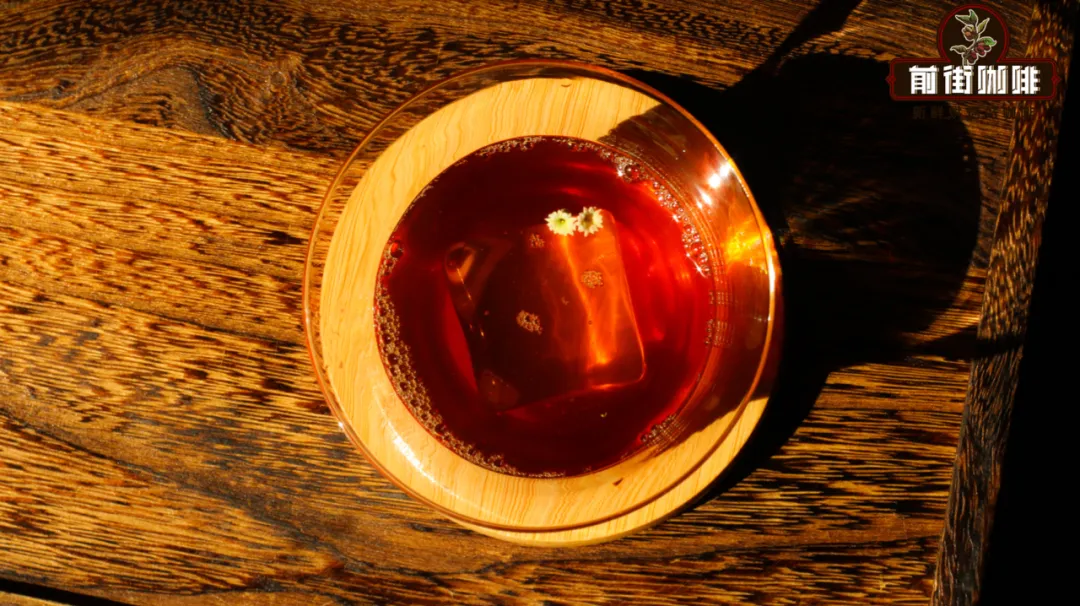
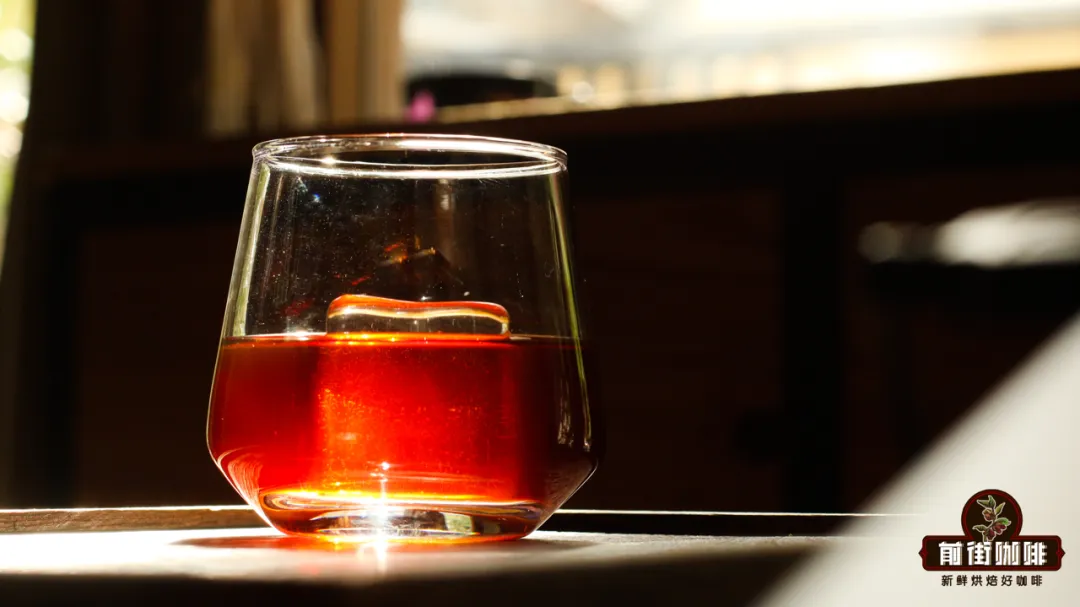
For example, the once-debated sour plum coffee, osmanthus coffee, and clarified coffee all fall under the category of specialty blended coffee. Compared to pour over specialty coffee, which usually requires more professional tasting skills, specialty blended coffee is easier for beginners to understand and accept, thus reaching a wider consumer base.
In terms of ingredient selection, in addition to common milk and syrups, alcohol, fresh fruit, juice, flowers, tea leaves, sparkling water, and even spices can all be part of a specialty blended coffee. Of course, some highly experimental recipes are less common (and those that include unconventional ingredients solely for visual appeal are not included here).
Because specialty blended coffee places extreme emphasis on the harmony of texture and flavor among different ingredients, it can be said that each cup is a live demonstration of the barista’s or shop’s creativity and imagination. Behind every specialty blended coffee lies the brewer’s unique interpretation and innovative thinking for that particular drink.
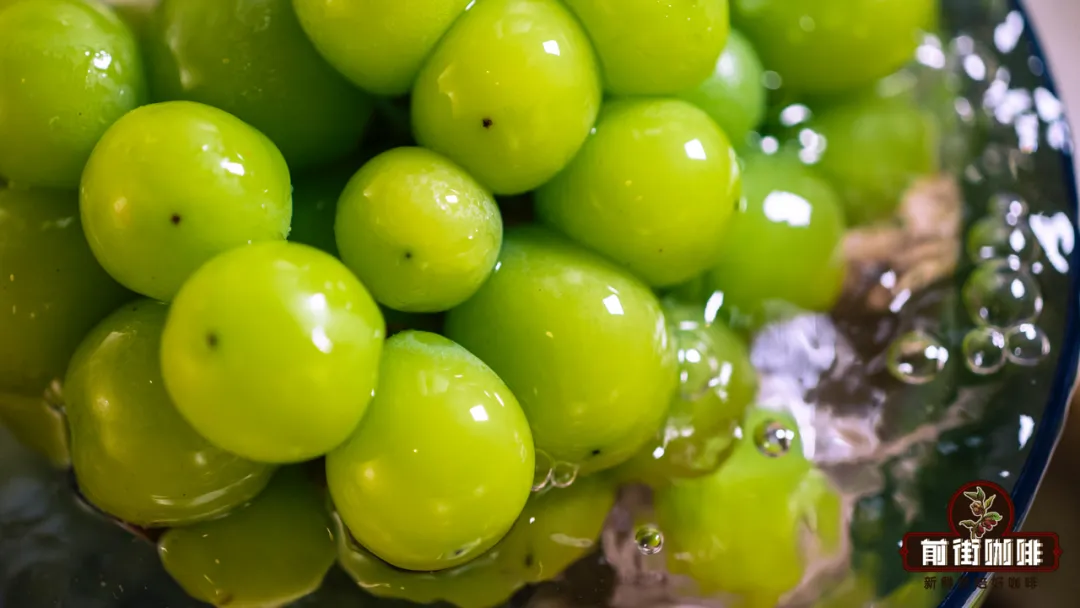
As the popularity of specialty blended coffee continues to rise, there are even cafés dedicated solely to blended beverages. However, the accompanying controversies cannot be ignored. Since there is no strict boundary for the definition of blended coffee, some cafés may deliberately reduce the proportion of coffee in their drinks in pursuit of overall flavor balance. And when “coffee” is supposed to be the core of the drink, controversy naturally arises: “If a specialty blended coffee doesn’t have a distinct coffee flavor, can it still be considered coffee?”
There is no absolute answer to this question, but it does reflect the tension between consumers’ expectations of coffee’s essence and creators’ freedom of expression. Feel free to share your thoughts in the comments section.
The above content is compiled by CoffeeHunters, a coffee news website.


