








Introduction:Faced with the worst drought in a century, Brazil’s hydropower generation has dropped significantly, prompting the government to consider reinstating daylight saving time to conserve electricity. This move not only concerns the nation’s overall energy distribution but also directly impacts the cost structure of coffee cultivation and processing. This article delves into the background of the daylight saving policy, the real effects of the power crisis on the coffee industry, and explores how extending daylight hours may help reduce production expenses, potentially stabilizing future coffee bean market prices.
Brazil has recently been hit hard by extreme drought and widespread wildfires, with water reservoir levels nationwide continuing to hit record lows, presenting unprecedented challenges to hydropower supply. To address the electricity shortage crisis, the Brazilian government is actively evaluating whether to reinstate daylight saving time before the end of the year, hoping to reduce the need for artificial lighting by extending the use of natural daylight and thereby achieving electricity-saving goals. If implemented, this policy will have a significant impact on the coffee industry, which heavily relies on a stable power supply.
Officials from Brazil’s Ministry of Mines and Energy recently stated at a press conference that if the drought does not ease in the short term, the government may officially reinstate daylight saving time starting in November this year. This would be the first time the policy has been reintroduced since its cancellation in 2019. According to the plan, during the daylight saving period, the country’s time zone will be adjusted from the original UTC-3 to UTC-2, effectively moving the clock forward by one hour. This helps people make better use of natural light earlier in the day and reduces nighttime lighting electricity consumption.

Currently, Brazil is experiencing its most severe power generation crisis in 74 years. Over 1,188 cities across the country have gone without significant rainfall for more than 90 consecutive days, with about 600 of them recording no rain for over 130 days, and some regions reaching up to 178 days. The prolonged drought has caused the water level of the Negro River, a major tributary of the Amazon Basin, to drop sharply to 12.68 meters, not only breaking last year’s record but also hitting a 122-year low, severely affecting the lives of hundreds of thousands of residents along the river and inland transportation.
In terms of hydropower, the water levels in many of Brazil’s major dams have dropped to their lowest points since records began in 1950, drastically reducing generating capacity and making it unable to support the upcoming summer peak in electricity demand. To manage the tight power supply situation, the government has announced an increase in domestic electricity surcharges, further burdening both industrial, commercial, and residential users. Against this backdrop, daylight saving time is seen as one of the viable short-term solutions to effectively save on lighting and air conditioning electricity usage.
The coffee industry has shown mixed reactions to the potential reinstatement of daylight saving time, but most operators believe that with electricity prices continuously rising and production costs increasing, extending daylight hours could indeed help reduce daily operational expenses. Since many aspects of coffee cultivation, harvesting, and initial processing rely on a stable power supply—including irrigation systems, hulling equipment, and preliminary drying operations—the rise in electricity costs has become a significant operational challenge in recent years.
Some industry experts pointed out that after implementing daylight saving time, farm workers and processing plant employees can take advantage of more natural light to complete tasks in the early morning and evening. This not only helps improve overall work efficiency but can also reduce electricity consumption required for artificial lighting and machinery operation to some extent. Additionally, the adjustment of daylight saving time may also have slight effects on international coffee trading hours and logistics arrangements, thereby indirectly influencing global market supply-demand balance and price trends.
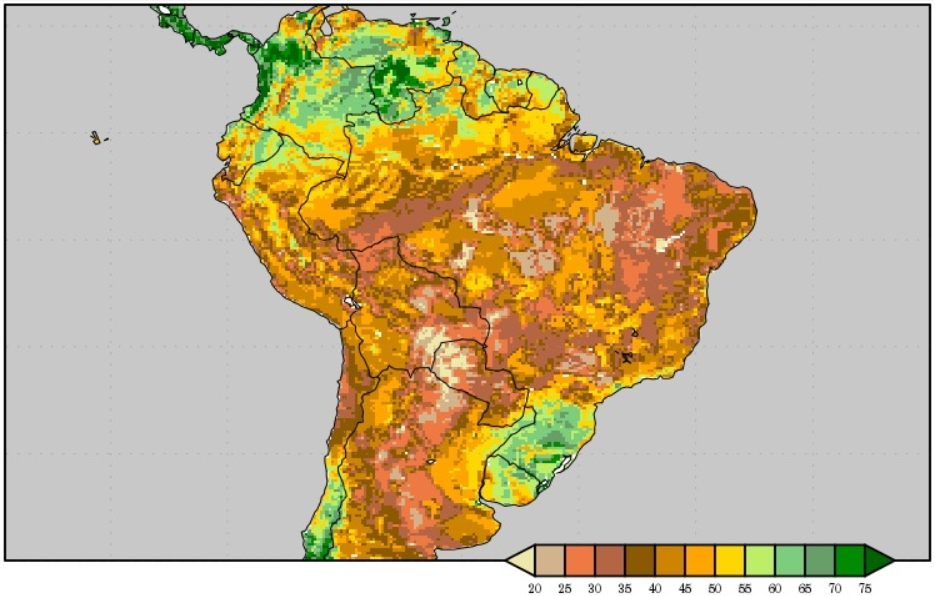
However, coffee industry players also emphasize that simply adjusting the time system cannot fundamentally solve the current issues. If the drought continues to worsen, it will not only affect the flowering and fruiting of coffee trees in the new season but may also lead to further declines in future harvests. Preliminary estimates suggest that if the drought situation does not improve, Brazil’s total coffee production for this season could decrease by 6.8% compared to last year, and if there is still no significant rainfall by winter, the decline may continue to widen.
Overall, while the reinstatement of daylight saving time may provide some short-term relief in electricity costs for the coffee industry, in the long run, addressing water shortages and stabilizing climatic conditions are key to ensuring Brazil’s coffee production capacity and quality. In the coming months, the global market will continue to closely monitor the Brazilian government’s final decision, as well as the actual impact of the drought on the coffee supply chain.
The above content is compiled by CoffeeHunters, a coffee news website.


