







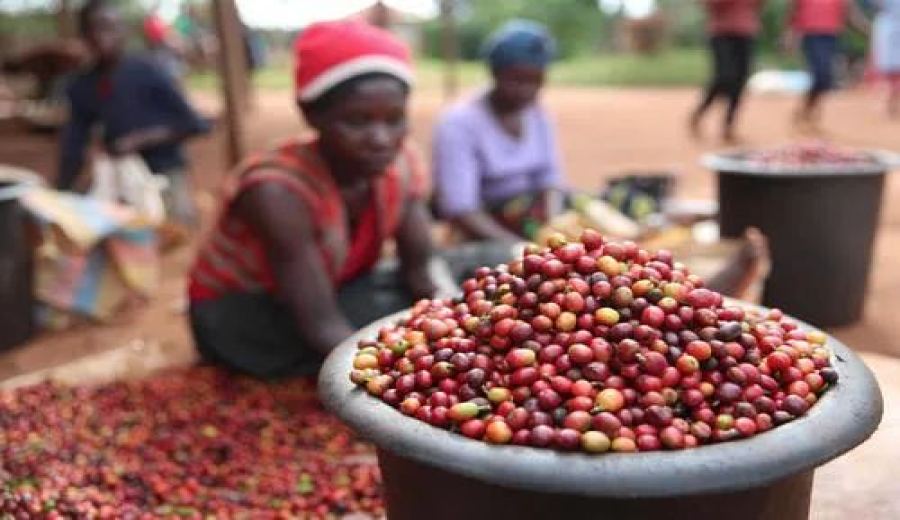
Introduction:Kenya is preparing to launch a unified national coffee brand, aiming to enhance its visibility and marketing efficiency in the international market and boost global competitiveness. However, the country’s coffee industry is facing mounting pressures, including a continuous decline in production and the upcoming implementation of new EU regulations. This article delves into the current state of Kenya’s coffee industry, its structural challenges, as well as potential opportunities and obstacles ahead.
The Kenya Export Promotion and Branding Agency (Keproba) and the Agriculture Sector Development Support Programme (Afa) are jointly planning a new national coffee brand strategy. The goal is to consolidate global marketing resources, strengthen Kenya coffee’s international brand recognition and market influence. This initiative hopes to further drive growth in coffee exports through a unified national brand image, giving Kenya a stronger competitive edge in the global specialty coffee market.
However, despite the clear direction of the branding strategy, the actual performance of Kenya’s coffee industry in recent years has been fraught with challenges. Since 2016, the country’s coffee exports have fluctuated, while production has shown a consistent downward trend. Shrinking cultivation areas, rising production costs, significant volatility in international market prices, as well as extreme weather conditions and difficulties in weather forecasting, have all had a notable impact on the industry.
To improve the industry structure, the Kenyan government has implemented a series of reform measures, the most representative of which is the Direct Settlement System (DSS) introduced via the Nairobi Coffee Exchange (NCE). This system allows coffee farmers to receive international market prices directly by cutting out middlemen, effectively increasing their share of profits. However, such reforms have also led to some unintended side effects.
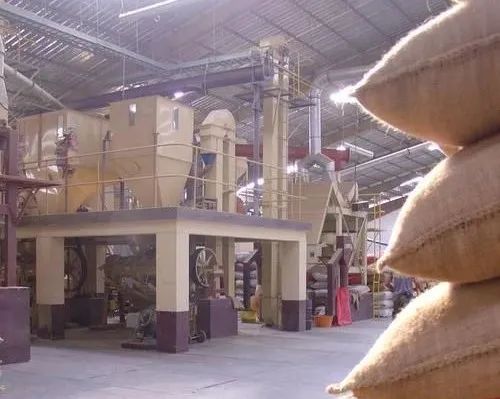
While removing multiple layers of middlemen has increased farmers’ profits, it has also forced some international traders owning large processing facilities to shut down their local plants due to the inability to obtain official processing licenses. Moreover, under the new rules, coffee processing is only permitted in factories that hold specific operating permits and are government-approved. As a result, many small-scale processing units have been overwhelmed by an influx of orders in a short time but, due to insufficient equipment and manpower, have experienced a buildup or even spoilage of coffee cherries, further affecting overall production and quality.
According to data released by the Nairobi Coffee Exchange, approximately 29,000 metric tons of coffee were auctioned in the first half of 2024, with an average price of 140.5 Kenyan shillings per kilogram. Compared to the same period in 2023, the total auction volume increased by 40%, and the average unit price rose by about 9%. The increase in trading activity was mainly due to the reactivation of the coffee grading and ranking system, which had been suspended earlier because of the reforms. In addition, the continued rise in international coffee market prices has further stimulated active trading.
Notably, one of Kenya’s largest coffee export markets is the EU, with Germany and France being major buyers. The EU as a whole accounts for about 21% of Kenya’s coffee exports. With the EU set to implement the “Deforestation-Free Regulation (EUDR)” by the end of 2024, many traders have stockpiled inventory in advance to avoid potential supply chain disruptions. However, the EU recently announced that, considering feedback from multiple countries, the regulation’s implementation will be postponed by one year. Large enterprises will need to comply starting December 30, 2025, while smaller businesses have until June 30, 2026. The regulation is currently pending final approval by the European Parliament and Council.
Despite the delay in enforcement, many African coffee-producing countries, including Kenya, still face compliance challenges. Research by the UK think tank ODI indicates that meeting EUDR requirements may increase production and traceability costs by up to 10% for these countries—an additional burden for small and medium-sized farmers who already operate on thin profit margins.
Beyond external regulatory pressures, Kenya’s coffee industry is also grappling with rising internal costs. Due to long-term funding shortages at the Kenya Coffee Research Institute (CRI), there is an insufficient supply of high-quality certified seedlings. This limits farmers’ ability to expand or renovate plantations and restricts access to emerging planting techniques and management methods. Additionally, in order to repay massive sovereign debt interest, the government plans to raise new taxes as a funding source. Although protests against the proposed tax reforms have temporarily subsided, related tax increase plans have not been entirely ruled out and could further drive up both production and living costs.
Meanwhile, Kenya’s domestic tourism industry has seen rapid recovery after the pandemic, leading to increased domestic coffee consumption and further reducing the amount of coffee available for export. In addition, the ongoing Red Sea shipping crisis continues to affect global supply chains, with major Kenyan ports experiencing container shortages and congestion issues, posing significant challenges to the logistics of coffee exports.
Overall, while Kenya’s coffee industry is seeking breakthroughs in brand building and market marketing, it must simultaneously contend with multiple pressures, including declining production, regulatory compliance hurdles, rising production costs, and logistical bottlenecks. The industry widely hopes the government will introduce more comprehensive support policies to help ensure stable development across the sector and maintain its position in the international specialty coffee market.
The above content is compiled by CoffeeHunters, a coffee news website.


