







Introduction:Hawaii is set to implement Bill No. 198 in 2027, which will significantly raise the threshold for the local bean content in coffee labeled with regional names to 51%. How will this new regulation impact the coffee prices, market trust, and consumer purchasing choices in renowned regions such as Kona? This article delves into the details of the new law, its underlying reasons, and future trends.
The U.S. state of Hawaii is poised to officially enact Bill No. 198 in 2027. This new regulation will explicitly require that any coffee product labeled as originating from a specific Hawaiian region—such as Kona, Ka‘u, Kauai, or Maui—must have at least 51% of its beans sourced from the corresponding Hawaiian region. The move aims to combat the long-standing issue of misleading labeling where low percentages of Hawaiian beans are mixed into high-priced regional coffees.
Currently, under the old rules that have been in place since 1991, a coffee product only needs to contain 10% Hawaiian coffee beans to use regional names like “Kona” on its packaging. This lenient standard has led many consumers to pay premium prices for “Kona coffee” that actually contains only 10% beans truly grown in Hawaii, with the rest often being cheaper varieties from places like Brazil or Vietnam.
The Hawaii Coffee Association points out that the new law will greatly enhance the transparency and authenticity of labeling, protect consumer rights, and help maintain the international reputation of Hawaiian coffee, especially Kona coffee.The new regulation clearly states that if a product’s name includes terms such as Kona, Ka‘u, Kauai, or Maui, at least 51% of its coffee beans must originate from that specific region.
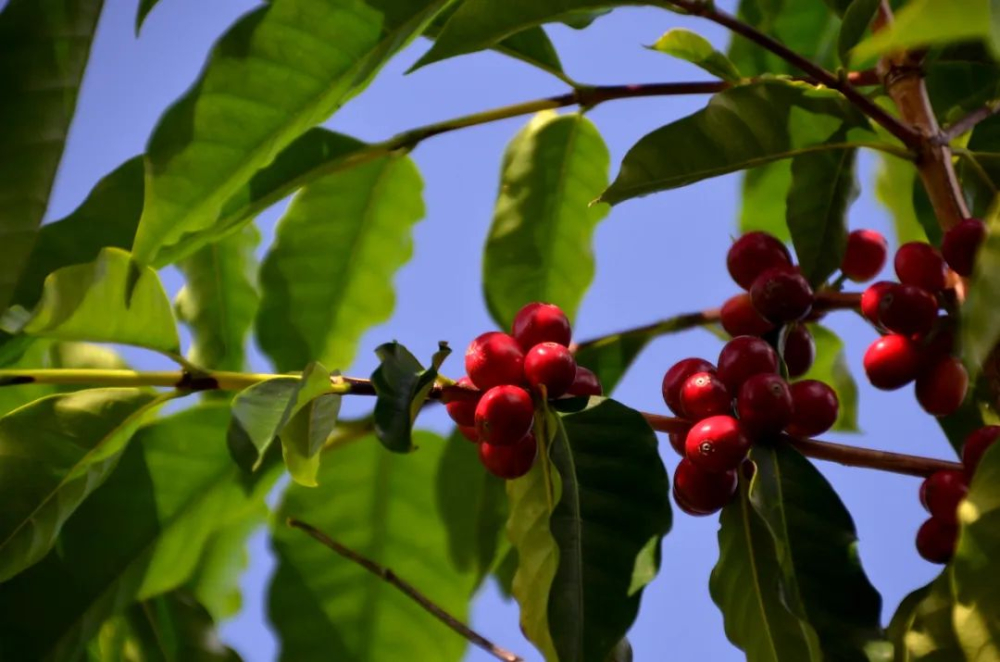
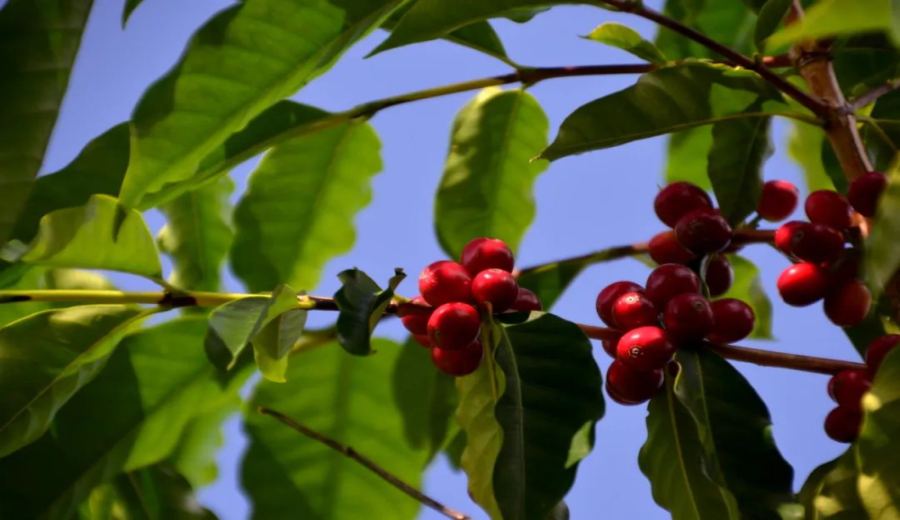
Kona coffee, as the most iconic coffee-growing region in Hawaii, has long enjoyed the reputation of being the “Queen of Coffee.” It boasts a rich flavor with unique sweetness and fruity acidity, often ranked alongside Blue Mountain coffee. However, due to the terrain and climate of the Hawaiian Islands—while not particularly high in altitude—the volcanic soil and maritime microclimate provide ideal conditions for coffee cultivation, though production remains limited. Coupled with high labor and transportation costs, Kona coffee has consistently commanded high prices, with the market price for pure Kona coffee typically ranging between $30 and $60 per pound.
While the new bill has generally been welcomed by local Hawaiian growers, it has also made some large chain coffee brands and international buyers more cautious. Concerned about potential legal action over misleading labels in the future, these buyers have started to pull back on purchasing Hawaiian coffee, impacting market demand.
In fact, growers in the Kona region have previously filed civil lawsuits against major retailers and roasters—including Walmart, Amazon, and Costco—accusing them of selling coffee products labeled as “Kona” with far less Hawaiian bean content than claimed. These lawsuits were ultimately successful, with over 20 related companies collectively ordered to pay fines exceeding $33 million.
Industry experts analyze that after the implementation of the new law, due to a possible short-term decline in demand for Hawaiian coffee, the price of Kona coffee is expected to drop by approximately 20% compared to the previous two years. For consumers, this means they may be able to purchase relatively stable-quality Hawaiian coffee at more affordable prices in the future.
Additionally, while the new law raises the threshold for origin labeling, it still allows for coffee blends—as long as the proportion of Hawaiian coffee and the origin and percentage of foreign beans are clearly indicated. This provision helps consumers make more informed purchasing decisions and encourages greater honesty and transparency in product labeling.
In the long run, although some large traders may reduce their purchases due to the new regulations, leading to further market price adjustments, this could also help enhance the overall quality image of Hawaiian coffee and attract more specialty coffee traders who value origin and flavor. Amid the global trend of rising coffee prices, Hawaiian coffee—with its unique terroir—has the potential to reaffirm its position in the international market through more reasonable pricing and greater transparency.

The above content is compiled by CoffeeHunters, a coffee news website.


