








Introduction:Once the second-largest coffee chain in mainland China, Pacific Coffee has seen a dramatic decline in its number of stores, now operating only around 100 outlets. Its five stores in downtown Dongguan have all ceased operations, marking the brand’s official exit from the city. This article takes an in-depth look at how Pacific Coffee fell from its peak, analyzing the reasons behind its gradual loss of competitiveness in a fiercely competitive market, and sharing local consumers’ genuine perspectives on its current situation.
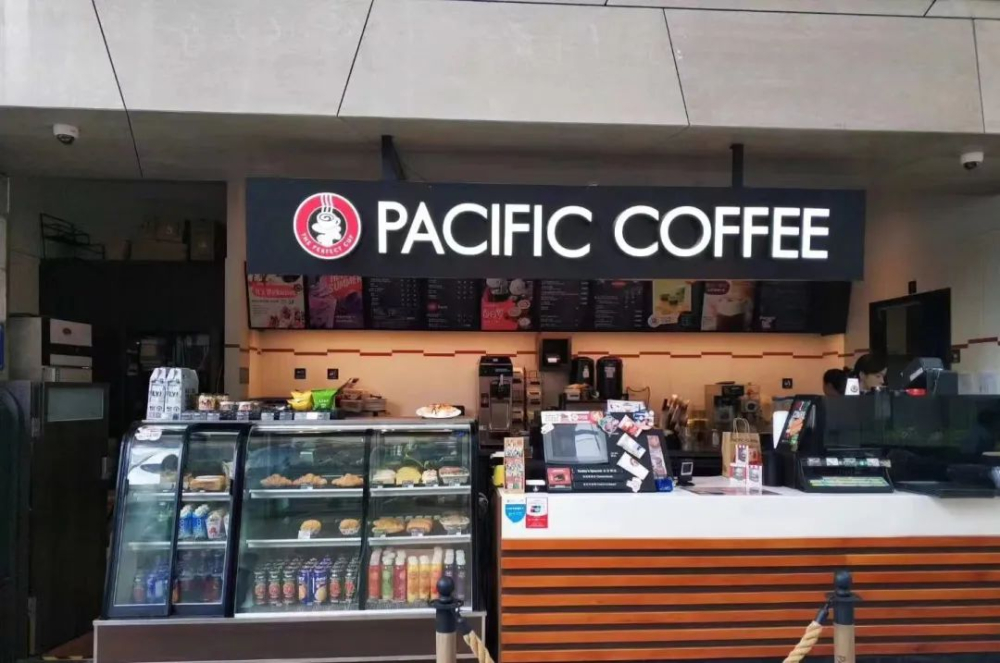
Once backed by the resources of China Resources Group and having expanded to nearly 500 stores nationwide, Pacific Coffee now faces a severe contraction in the mainland market. According to recent posts by netizens, all five of its stores in downtown Dongguan have successively shut down. With the closure of the last remaining branch, “Lianke Store,” Pacific Coffee has completely withdrawn from the Dongguan market, leaving many local customers surprised and disappointed.
This brand, with a history of over 30 years, originated in Hong Kong in 1992. It was not until 2010, when China Resources Enterprise acquired an 80% stake, that it aggressively entered the mainland market. Leveraging China Resources’ capital and distribution advantages, Pacific Coffee expanded rapidly within just a few years. At its peak, it had nearly 500 stores and ranked second among Chinese coffee chain brands in 2017, only behind Starbucks, having amassed a considerable number of loyal customers at the time.

However, as competition in the coffee market intensified—especially with emerging brands like Luckin and Manner rapidly rising through frequent new product launches, collaborative marketing, and high cost-performance—Pacific Coffee appeared slow to respond. The brand neither consistently introduced innovative products to attract younger consumers nor maintained market momentum through large-scale expansion and brand events like Starbucks did, gradually fading from consumer awareness.
Many former patrons recall that Pacific Coffee used to view Starbucks as its main competitor, pricing its products similarly. But once affordable and creative competitors entered the market, its prices lost their appeal, and its brand positioning became increasingly vague. Even attempts to launch its own tea beverage brand, “Taicha,” to carve out a new niche failed to effectively reverse the overall decline in performance.
As performance continued to decline, the number of Pacific Coffee stores in mainland China plummeted from a peak of nearly 500 to just around 106 today. According to the latest data from the Jihai Brand Monitoring Platform, these stores are spread across more than 20 provinces nationwide, but are mostly concentrated in Guangdong Province. In some areas, there is only one or two stores still in operation, indicating a significant reduction in coverage.
Many netizens expressed regret over the fall of a brand that was once so prominent. Some observers pointed out that although Pacific Coffee had ample capital after being acquired by China Resources and was able to expand quickly in the early stages, it may have suffered from unclear subsequent business strategies or internal management issues, preventing the brand from establishing sufficient customer loyalty, ultimately leading to its decline.
In Dongguan, some local coffee enthusiasts mentioned that when they first saw Pacific Coffee open five community-based stores all at once, they had hoped it could reignite the market like a single spark starting a prairie fire. However, some of those stores closed within less than a year, and now all have withdrawn from the city, which is truly lamentable. Consumers in other cities across Guangdong have also observed that the remaining stores are mostly located in areas with low foot traffic, making them hard to find. Even among the stores still in business, many customers worry about when the next closure might be announced.
Overall, the rise and fall of Pacific Coffee reflects not just the trajectory of a single brand, but also shows that in the rapidly evolving coffee industry, if a brand fails to promptly adjust its strategy, innovate its products, and strengthen consumer engagement—even with strong backing and early advantages—it will struggle to maintain a foothold in the market. Today, this brand that once held a place in the mainland market seems to have reached the end of its glorious era.
The above content is compiled by CoffeeHunters, a coffee news website.


