








Introduction:Moka pots come in single-valve and double-valve versions, and many coffee beginners often wonder about the differences between the two and whether it’s worth upgrading to a double-valve model. This article delves into the working principles of the Moka pot, compares the structural and pressure-boosting differences between single-valve and double-valve designs, and explains how the double-valve enhances extraction pressure through its pressure valve—thereby influencing coffee concentration and flavor profile. By the end, you’ll have a clearer idea of how to choose the right Moka pot based on your needs.
Faced with the variety of single-valve and double-valve Moka pots on the market, many coffee enthusiasts often find it hard to decide—not only because they have only a partial understanding of the differences, but also because they hesitate over whether the extra cost for a double-valve is justified. This article will start with the basic structure of the Moka pot and the steam extraction principle, then gradually break down how the double-valve design adds a pressure valve at the spout to alter pressure performance, and explore how this change actually affects the final coffee concentration and extraction efficiency. Once you understand these details, you’ll realize that the double-valve isn’t just a marketing gimmick, but a practical upgrade that brings the extraction results closer to that of espresso.
First, to clarify the difference between single-valve and double-valve Moka pots, you must first understand the basic working principle of the Moka pot, because the double-valve is essentially a traditional single-valve structure with one additional key “pressure component.”
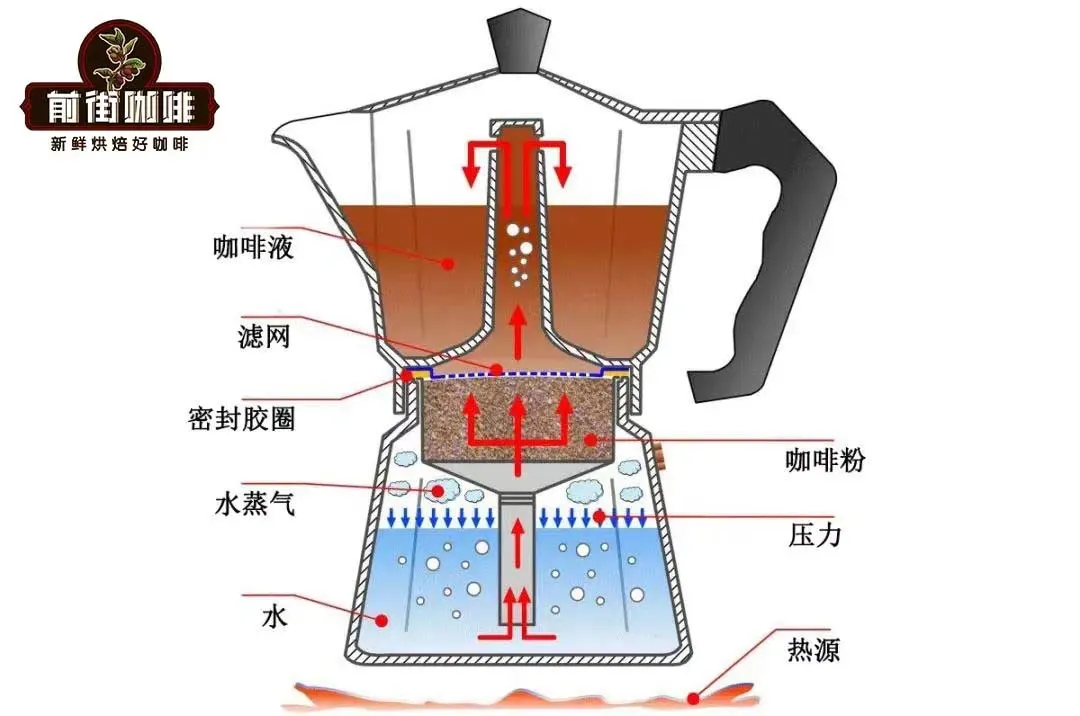
The Moka pot mainly consists of three parts: the lower chamber holds hot water, the middle filter basket contains the coffee grounds, and the upper chamber is equipped with a filter and a spout. Its operating logic is quite simple yet ingenious—using the steam pressure generated by heating to drive hot water through the coffee grounds for extraction. When the lower chamber is heated, the internal water gradually warms up to boiling point, turns into steam, and continues to expand, thereby compressing the space inside the pot. At this point, the hot water can only move upward along the central tube, extracting flavors as it passes through the coffee grounds, and finally the brewed coffee flows out from the upper chamber’s outlet.

The above process is the standard operation mode of a common single-valve Moka pot, and it’s also the experience many users have when first using a Moka pot.
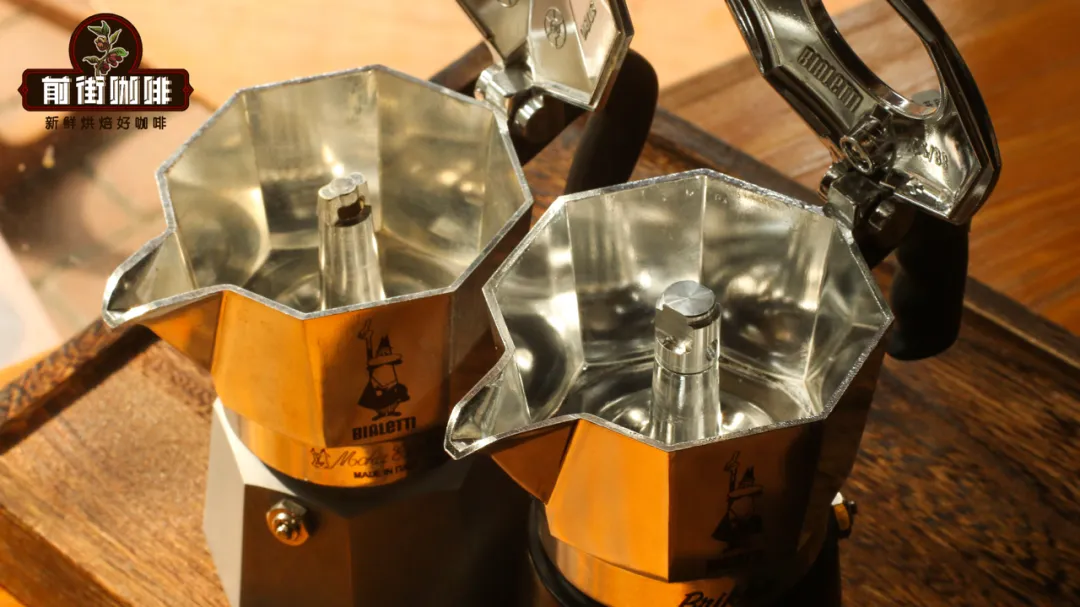
So, what is a double-valve Moka pot? Essentially, it isa single-valve Moka pot with an additional pressure valveadded at the spout.
This pressure valve, as the name suggests, is a specially designed component intended to further increase extraction pressure.
The design of this pressure valve is quite clever—it deliberately narrows the fluid channel, so that the brewed coffee faces greater resistance when passing through the spout. When the coffee can’t easily seep out, it accumulates at the valve, creating a certain level of blockage, which in turn gradually increases the pressure inside the pot.
In the world of coffee extraction, pressure is a crucial parameter. Whether it’s a Moka pot or a professional espresso machine, the level of pressure directly affects extraction efficiency and the final flavor. Generally speaking, the higher the pressure, the better the extraction efficiency of coffee compounds. Therefore, the double-valve Moka pot, through the design of the pressure valve, successfully increases the overall extraction pressure, meaning that under the same operational conditions, the double-valve can extract flavor substances from the coffee more efficiently.
The actual result is that coffee made with a double-valve Moka pot achieves both concentration and extraction rate that are closer to traditional espresso. If you’re used to making lattes or other milk-based coffee drinks with a Moka pot, the double-valve design ensures the coffee’s inherent flavors aren’t easily masked by the milk, and also helps avoid overly thin or watery taste profiles.

The above content is compiled by CoffeeHunters, a coffee news website.


