







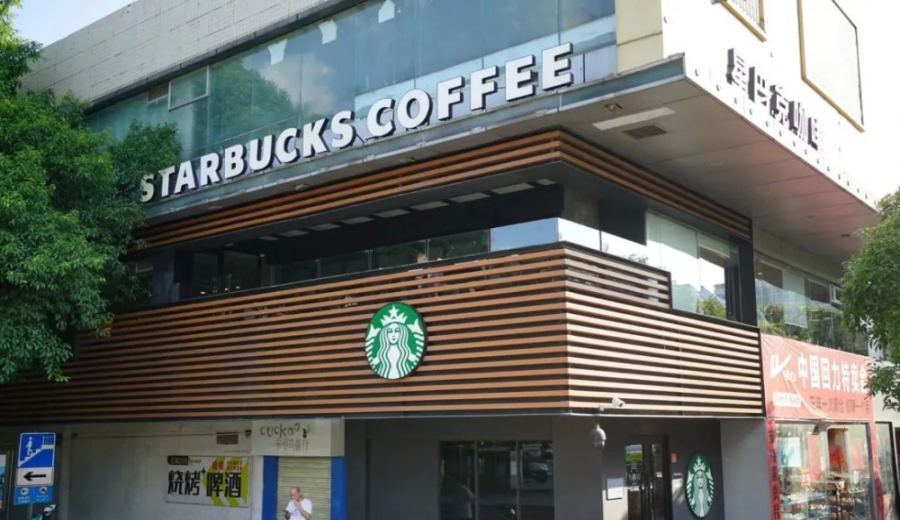
Introduction:After operating for a decade, the Starbucks at Guilin’s Dream Island Mall has quietly closed its doors. This branch, which opened in 2014, was once a pilgrimage site for local coffee enthusiasts. With the shift in urban development focus and the restructuring of commercial districts, the store shut down due to declining foot traffic, while a new branch is set to open soon at Diecai Wanda. This article takes you through the rise and fall of the original branch, analyzes how urban commercial dynamics influence the sustainability of brand outlets, and offers a practical perspective on observing adjustments in modern retail.
Recently, the first-ever Starbucks outlet in Guilin — the Dream Island branch — closed without warning, sparking a wave of nostalgia among many locals. Opened in October 2014, this branch was not only the city’s first Starbucks but also became a shared memory for many residents. At the time, its location near a major traffic bridge with bustling commercial activity around it led to long queues during its opening period, making it a hot topic in the city.
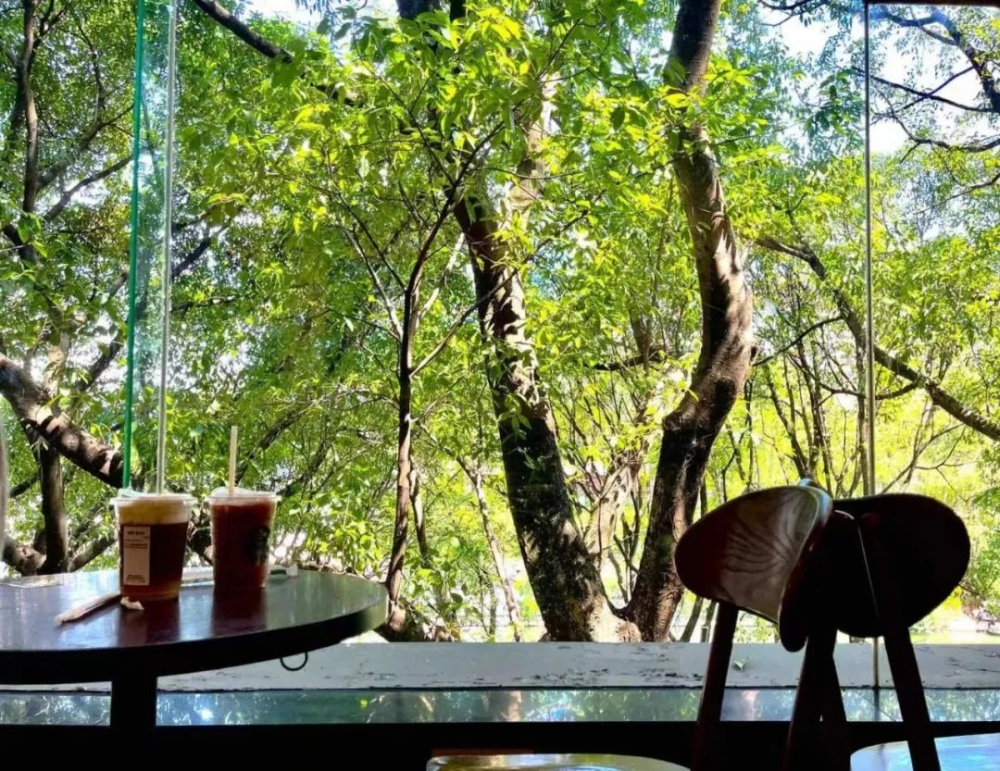
Over its ten years of operation, the branch attracted many customers who enjoyed reading or gathering in cafés, thanks to its prime location and comfortable space — especially the second-floor seating area with excellent views. Locals often came here for a cup of coffee, to chat with friends or to study, making it a part of their daily lives.
However, as Guilin rapidly developed, major commercial activities gradually concentrated in emerging business districts, particularly in crowded shopping plazas and office areas. Starbucks also opened new branches in other busy spots across the city, leading to a noticeable drop in foot traffic at the Dream Island branch, which slowly lost its former vibrancy.
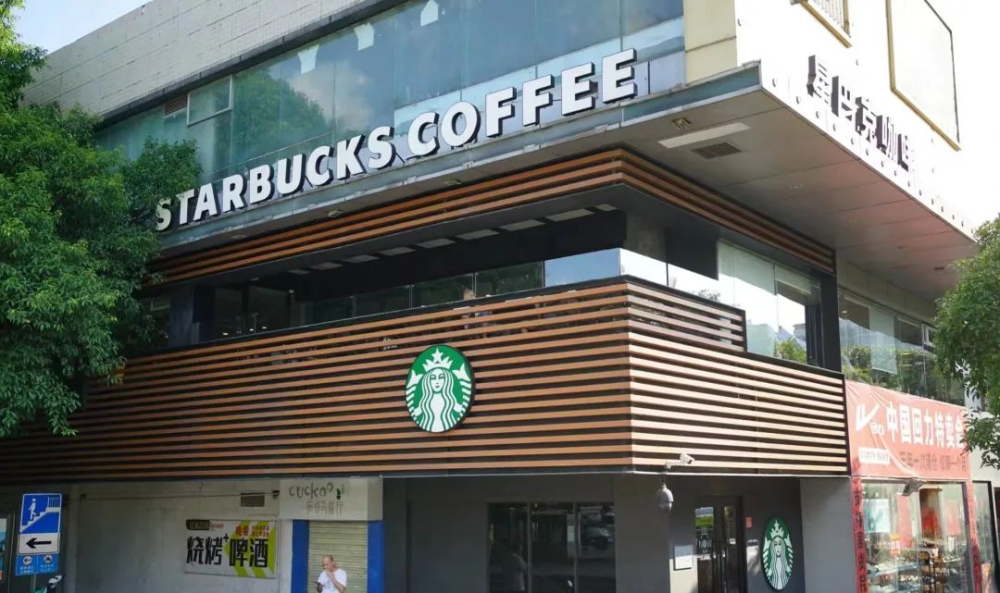
Although the branch’s performance in recent years had not been as strong as before, it still retained a loyal customer base, especially those who appreciated its scenery and quiet atmosphere. Many enjoyed sipping coffee while admiring the view outside the window. Still, many customers were surprised and saddened by its sudden closure.
After the news broke, many netizens visited the branch specifically to take photos as keepsakes. Some customers witnessed staff beginning to dismantle decorations and furniture, symbolizing the end of an era. Others who had just learned about the closure expressed regret, sharing old photos of their visits and lamenting the passage of time. Comments filled with nostalgia included phrases like “My youth is gone,” “I thought this store would stay open forever,” and “This is where I had my first Starbucks.”
Some analyses suggest that the closure of this branch may have been influenced not only by changes in the city’s commercial landscape but also by the expiration of its lease. Based on its overall outlet strategy, Starbucks chose not to renew the lease and instead focused its resources on other more promising locations. According to social media posts, the day after the Dream Island branch closed, a new Starbucks outlet at Diecai Wanda was set to officially open, expected to attract a fresh wave of visitors.
In recent years, many cities’ first Starbucks branches have faced challenges from expanding local commercial districts and shifting consumer habits, resulting in reduced customer traffic. To maintain operational efficiency, the brand often adjusts its outlet network by closing underperforming locations. While this is standard business practice, it always brings a sense of loss to local residents when an emotionally connected store shuts down, prompting reflection on the profound impact of urban development on commercial spaces.
For coffee lovers, in addition to keeping an eye on brand developments, one can also observe the differences in consumer environments and customer needs across various locations. For example, outlets in shopping malls often adopt fast-service models due to high foot traffic, while roadside or scenic branches emphasize relaxation and ambiance. Understanding these characteristics can help you choose the coffee experience that best suits you — whether you’re seeking efficient brewing or leisurely enjoyment, there’s an option for everyone.
The above content is compiled by CoffeeHunters, a coffee news website.


