







Introduction:A recent international coffee expo held in Beijing attracted a large crowd, but its free admission policy led to an influx of non-targeted visitors, diluting the professional atmosphere. This article delves into the pros and cons of open-access expos, explores how to balance popularity and quality, and offers practical advice to help exhibitors and attendees optimize their experience.
In today’s increasingly popular coffee culture, large-scale coffee exhibitions have become important platforms for industry professionals and enthusiasts to connect. However, a recent international coffee expo in Beijing sparked debate due to its visitor access policy. The bustling crowds demonstrated the event’s popularity, but also highlighted the challenges faced by professional events.
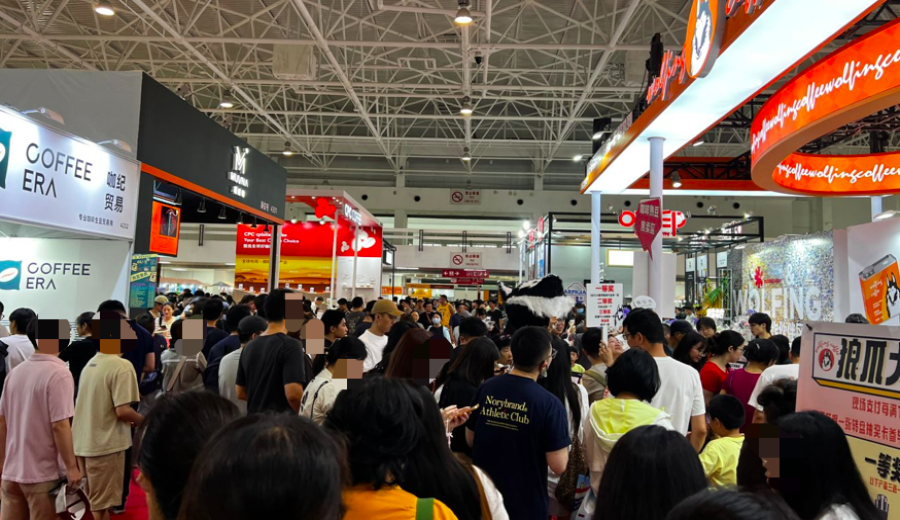
Upon entering the exhibition hall, the expected atmosphere of focused technical and flavor discussions was nowhere to be found. Instead, the space was packed with tightly packed crowds, including many who came for free giveaways. Observations on-site showed that multiple exhibitors were offering pour over drip bags, sample tastings, and merchandise, which quickly drew long lines—especially as social media “how to get freebies” guides further fueled the rush, causing queues at some booths to swell dramatically.
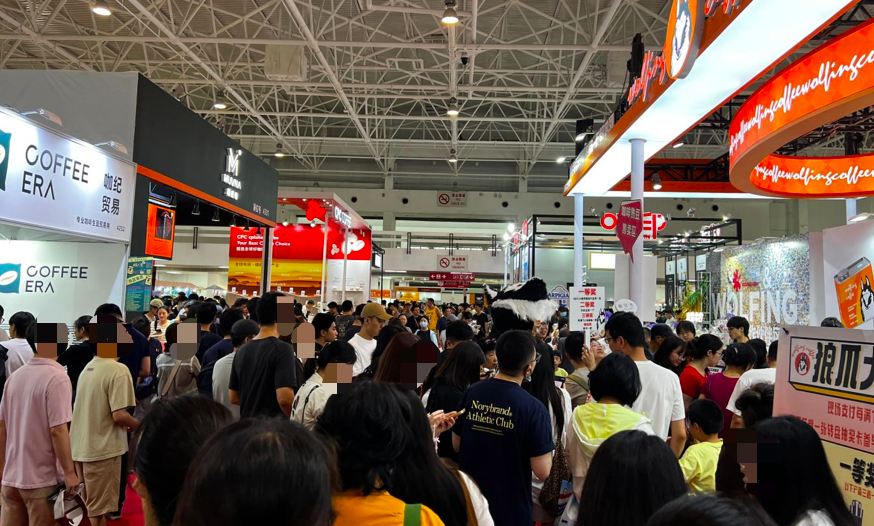
This expo adopted a completely open policy, with no admission fee or pre-screening process, resulting in a diverse visitor base. In addition to professional baristas and enthusiasts, the venue included parents pushing strollers, elderly people wandering casually, and even curious tourists. This composition put the venue’s order to the test—parents had to manage both child safety and personal belongings, while general attendees wandered aimlessly among the wide array of exhibits.
Industry insiders pointed out that professional coffee expos should focus on equipment displays, green bean evaluations, and technical discussions. Past successful events often featured exclusive lectures, cupping workshops, and other sessions that enabled in-depth exchanges. However, in recent years, as organizers have relaxed restrictions in pursuit of higher attendance, many expos have gradually lost their core value and turned into promotional bazaars akin to street markets.
For visitors genuinely interested in gaining a deeper understanding of coffee, the chaotic environment may hinder the learning experience. Experts suggest that those seeking an ideal expo experience should research the exhibitor list in advance, plan a focused visiting route, and try to avoid peak weekend times. Some seasoned attendees shared that visiting during early morning opening hours, when foot traffic is lower, is better suited for in-depth conversations and product evaluations.
Faced with the current situation, the industry has begun discussing whether access mechanisms should be redesigned. Potential solutions include charging a nominal admission fee to filter out purely curious visitors, implementing a reservation system to manage crowd flow, or creating separate zones for professionals and the general public. These measures aim to maintain event popularity while ensuring the quality environment needed for professional exchanges.
As China’s coffee market matures, the expectations of both exhibitors and attendees continue to rise. How to expand participation while maintaining a professional image will be a key challenge for future coffee expos. Looking at successful cases from around the world, clear positioning and precise audience management are often key factors in sustaining event standards.
The above content is compiled by CoffeeHunters, a coffee news website.


