







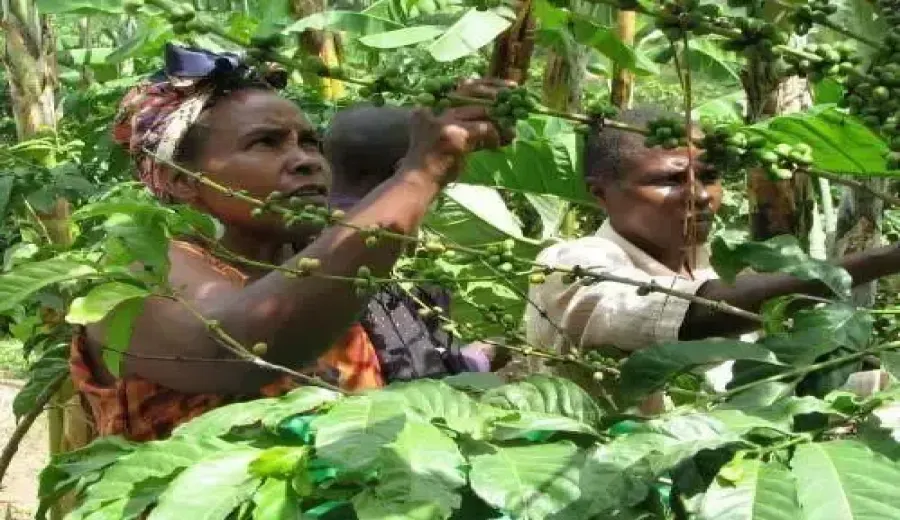
Introduction:Uganda’s coffee sector delivered stellar performance in the 2023/24 fiscal year, with exports surpassing 6.13 million bags and generating an impressive $1.144 billion — marking year-on-year growth rates of 6.33% and 35.29%, respectively. This surge is not only attributed to rising global market prices but also closely tied to supply chain shifts and deepening China-Africa cooperation. This article delves into the performance of different coffee varieties, export market trends, and explores future development potential in the Chinese market.
As one of Africa’s leading coffee-producing nations, Uganda has gradually gained recognition on the international stage in recent years. The latest statistics show that during the 2023/24 fiscal year (ending June 2024), the country exported a total of 6.13 million bags of coffee, up from 5.8 million bags in the previous year — an increase of 6.33%. Total export revenue reached $1.144 billion, reflecting an even more remarkable annual growth of 35.29%. This outstanding export performance was driven not only by continuously rising global coffee prices, but also directly linked to the upcoming European Union Deforestation Regulation (EUDR) and supply constraints in major competitor Vietnam.
In terms of exported varieties, Uganda’s primary offering is Robusta, which dominated the year’s shipments. A total of 614,486 bags were exported this fiscal year, bringing in $149.95 million in revenue — representing increases of 25.5% in volume and an impressive 102.97% in value compared to the same period last year. This trend is largely due to European buyers ramping up purchases ahead of the EUDR’s December 30, 2024 implementation date, even paying premium prices to secure stable supplies for the coming year. Meanwhile, Vietnam — the world’s top Robusta producer — faced severe drought, causing a sharp decline in output. Compounded by Red Sea shipping disruptions pushing up transport costs, EU buyers turned to alternative sources like Brazil and Uganda.
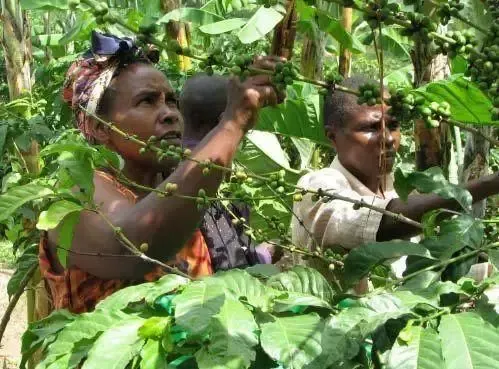
In contrast to the strong performance of Robusta, Uganda’s Arabica coffee saw a decline this fiscal year. Export volumes dropped to just 52,551 bags — down 29.51% from the previous year — with revenue also falling 25.9% to $12.415 million. Analysts attribute this to Arabica facing stiffer competition from higher-end products globally, and Uganda still having room to grow both in production capacity and international brand positioning for this variety.
Notably, Uganda’s average export price rose significantly over the period. The average price stood at $2.96 per kilogram in January, but climbed to $4.06 by June — a staggering year-on-year increase of 79.14%. Exports in July even hit 821,593 bags, up 26.15% compared to the same month last year, signaling sustained momentum in overall export activity.
The Uganda Coffee Development Authority (UCDA) pointed out that the substantial export growth has not only boosted the country’s visibility in the international market but also directly benefited local coffee farmers’ incomes. This success is partly due to prior government investments in agricultural infrastructure and productivity enhancement. The Ugandan government has also publicly stated its goal of increasing annual coffee production to 20 million bags, and aims to further tap into emerging markets including China through the upcoming Forum on China-Africa Cooperation.
In fact, Ugandan coffee first entered the Chinese market back in 2003, though at limited scale. With the gradual deepening of agricultural cooperation between China and Uganda — especially under the impetus of the Forum on China-Africa Cooperation — significant progress has been made in areas such as agricultural research exchanges, technical training, and trade facilitation. Uganda’s Minister of Agriculture, Animal Industry and Fisheries recently expressed a clear desire for stronger collaboration with China to promote more value-added agricultural products, including coffee, in the Chinese market.
As an agriculture-dominated economy, approximately 80% of Uganda’s population is engaged in agricultural-related work, with coffee, cotton, and tea being the main export commodities. Coffee is not only a crucial source of foreign exchange for the country, but also a key livelihood for farmers in many rural areas. This breakthrough in export performance not only reflects global recognition of the quality of Ugandan coffee, but also lays a solid foundation for further expansion into international markets — including among Chinese consumers.
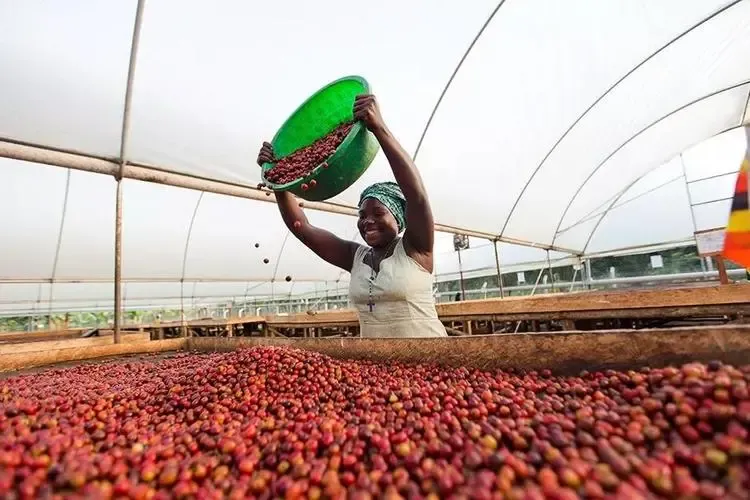
The above content is compiled by CoffeeHunters, a coffee news website.


