








Introduction:Gain an in-depth understanding of how coffee culture evolved from post-war instant coffee popularity to the three waves of specialization and experiential consumption. This article details the turning points, key figures, and technological innovations of each wave, and addresses a common question—whether instant coffee is truly harmful to health—with a scientific perspective. Readers will grasp the development trajectory of coffee and better understand the origins of today’s diverse market offerings.
The evolution of coffee can be clearly divided into three major stages, commonly referred to as the "three waves." These three waves not only reshaped global coffee consumption patterns but also drove a comprehensive shift from mass-market accessibility to premium taste experiences. This article will comprehensively review this developmental history while exploring a long-debated issue: Is instant coffee really unhealthy? By revisiting the historical context, we can gain a more holistic understanding of the diversity and rationale behind contemporary coffee culture.
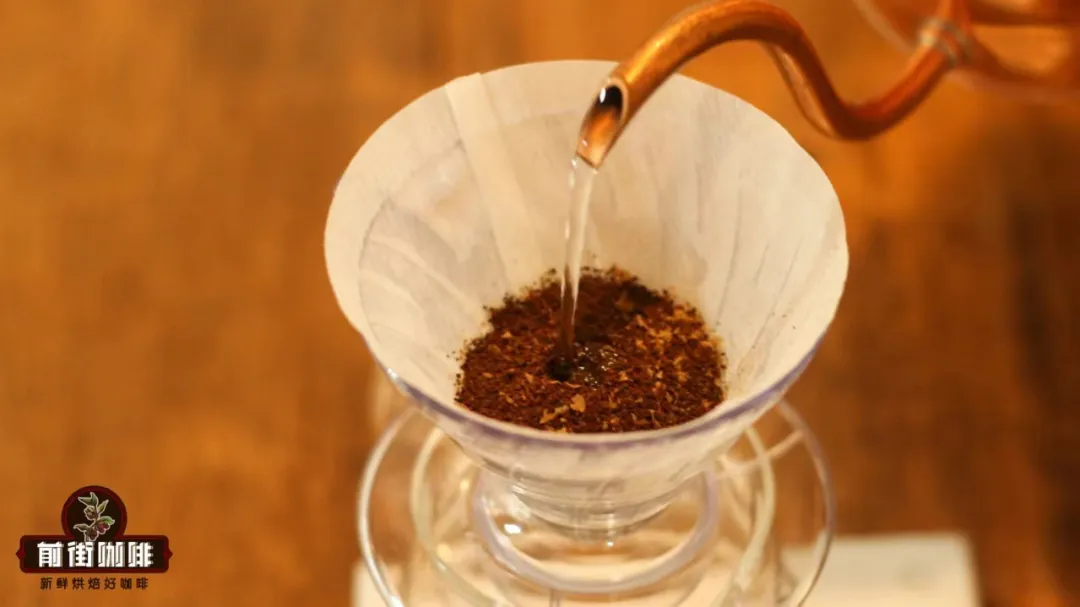 Many novice coffee enthusiasts often hear the term "three waves" but may not fully grasp its specific meaning or historical background. Therefore, we will take you on an in-depth exploration of these three transformative shifts that have profoundly impacted the coffee industry, as well as the significance and milestones each represents.
First Wave Coffee: The Rise of Mass Consumption and Instant Coffee
Looking back to the previous generation, many people’s first impression of coffee was often instant coffee—and this perception was no accident. In an era when specialty coffee shops were not yet widespread, instant coffee was the mainstream beverage in many parts of the world. This trend was closely tied to the wartime backdrop of the 20th century. To meet the stimulant needs of soldiers on the front lines, coffee quickly became an important strategic commodity. However, the traditional method of brewing coffee was cumbersome, requiring freshly ground beans and careful control of heat and timing, which was inconvenient for soldiers in combat.
To address this issue, multiple countries began investing in the development of instant coffee. In 1938, Nestlé successfully developed the first batch of dry instant coffee, originally to tackle Brazil’s surplus coffee bean production. Then, with the outbreak of World War II, coffee demand surged, and under the dual push of supply and demand, instant coffee rapidly gained popularity. This marked the official arrival of the "first wave" of coffee and transformed coffee from a specialized beverage into an everyday consumer product.
 At the time, the greatest advantage of instant coffee was its convenience in preparation. Coupled with the fact that most consumers were not yet sensitive to the nuances of coffee flavor, in some markets (such as the United States, Switzerland, and the United Kingdom), instant coffee was once seen as a more convenient and practical choice compared to freshly ground coffee. However, to reduce costs, many manufacturers used Robusta beans and added large amounts of sugar and creamer, which led to instant coffee being long labeled as "unhealthy."
Second Wave Coffee: The Awakening of Quality and the Foundation of Modern Coffee Culture
Entering the late 1960s, the coffee market reached a turning point. A Dutch coffee enthusiast named Alfred Peet, unable to accept the prevalence of low-quality coffee in the U.S. market, was determined to drive reform. Deeply influenced by Europe’s "proper" coffee culture, he emphasized the use of high-quality Arabica beans and upheld the principles of fresh roasting and on-site brewing. In 1966, Peet founded Peet’s Coffee in the United States, officially sparking what is known as the "second wave of coffee."
The core of this wave was to elevate the overall quality of coffee, emphasizing freshness and flavor expression across the bean source, roasting, and brewing processes. Peet’s commitment and philosophy gradually influenced the entire U.S. coffee market, prompting more consumers to start valuing the origins and production methods of coffee. Many later well-known coffee brands and roasting philosophies can trace their roots back to the influence of this period. This wave not only changed the market landscape but also laid a solid foundation for the subsequent specialty coffee movement.


In summary, the three waves of coffee each represent different consumer demands and cultural shifts: from the mass-market popularization of instant coffee, to the quality revolution of specialty coffee, and then to the third wave that emphasizes regional flavors and brewing craftsmanship. As for whether instant coffee is truly harmful to health, the answer is not absolute. If you choose products made with Arabica beans that are low in sugar and fat, and control your intake, instant coffee can still serve as a convenient option in daily life—provided you pay attention to ingredient labels and frequency of consumption to maintain a balanced diet and healthy lifestyle.
The above content is compiled by CoffeeHunters, a coffee news website.


