







Introduction:Want to understand whether washed or natural coffee is more acidic or sweeter? These two processing methods not only differ fundamentally in their production processes, but also have a profound impact on the final flavor. This article will take you through their English names, processing steps, aroma characteristics, and practical cupping comparisons, helping you grasp the core differences between washed and natural coffees in one go. We'll also share some useful tips on bean selection and brewing, so you can better appreciate the diverse profiles of coffee.
Washed (Washed Process) and natural (Natural) are the two most common green bean processing methods in the specialty coffee world. They not only represent vastly different processing philosophies, but also directly influence the final flavor profile. However, for many beginners, it's often hard to tell the difference just from the names, and even the common saying that "natural is sweeter, washed is more acidic" may remain unclear.
In reality, the acidity-sweetness balance of a cup of coffee is influenced by multiple factors such as variety, microclimate of origin, ripeness, roast curve, and brewing method — processing is just one piece of the puzzle. That said, if we focus solely on the processing itself, the differences between the two methods are indeed clearly reflected in the flavor layers and overall character.
This article will introduce the actual steps, underlying principles, and common English terminology of these two processing methods in an easy-to-understand way. With a practical cupping comparison (using Panama Geisha "Geisha Hacienda La Esmeralda" as an example), we aim to help you better understand their characteristics and further enhance your bean selection and tasting experience.
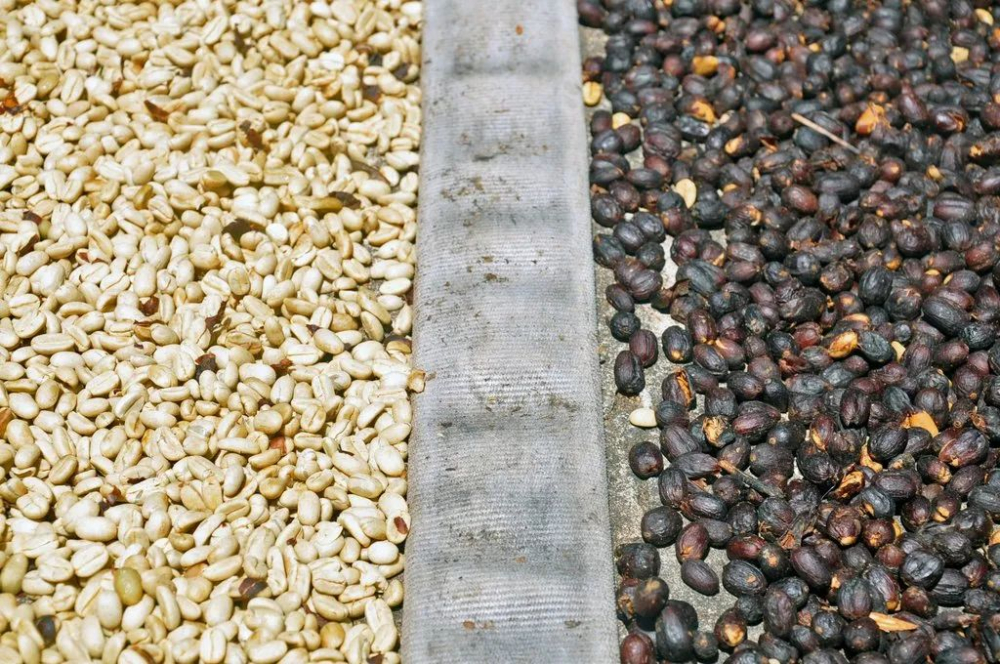
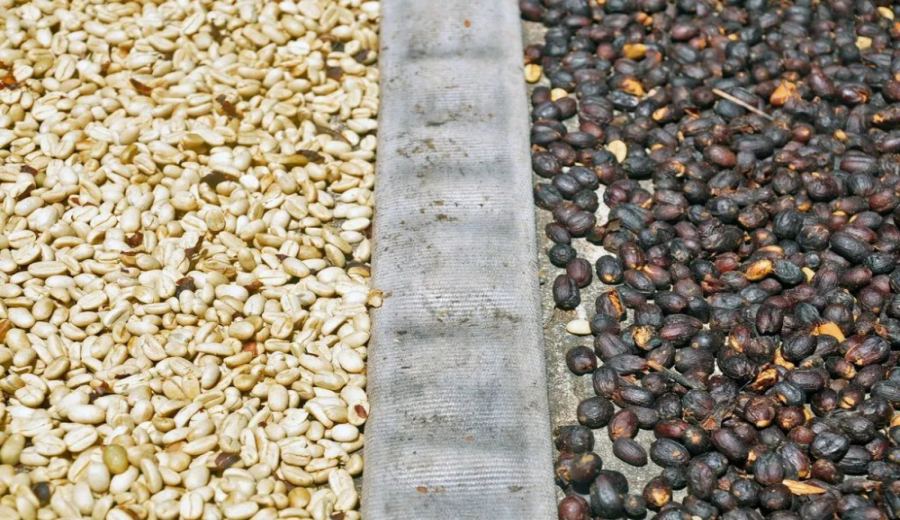
First, let’s look at the differences in processing workflows between washed and natural. The ultimate goal of both methods is to extract roasted-ready green beans from coffee cherries, but the biggest difference lies in whether the pulp is removed before drying.
The so-called washed process, as the name suggests, is a procedure that uses water for cleaning and fermentation, known in English as the Washed Process. Its typical steps include: flotation (removing unripe or overripe cherries), mechanically removing the skin and part of the pulp, soaking the mucilage-covered seeds in water tanks to ferment and break down the pectin, followed by multiple washes or extended soaking, then moving on to the drying phase, and finally removing the outer parchment layer (husking). This method requires a certain amount of water and equipment (such as a depulper and fermentation tanks), so it is more commonly seen in regions with well-developed infrastructure like Colombia, Costa Rica, Panama, and Kenya. The advantages of the washed process include significantly reducing the percentage of defective beans, shortening drying time, and achieving a distinctive “clean and bright” flavor profile.
In contrast, the natural process (Natural Process), directly translated as the “natural processing method,” is the most traditional and oldest processing method, dating back to as early as the 6th century when coffee was discovered in Ethiopia. Its approach is relatively simple: the whole coffee fruit, still in its husk, is directly placed under the sun to dry until the moisture content drops to a safe level, after which the outer pulp and parchment are mechanically removed to extract the inner green bean. This method only requires sunlight and sufficient space, with minimal equipment needs. However, since the entire process depends on stable weather conditions, it can be easily affected by rainy seasons or sudden climate changes, which is why it is mostly found in tropical countries with distinct wet and dry seasons and abundant sunshine, such as Ethiopia and Brazil.

Now that we’ve covered the processing steps, let’s explore how these two methods affect the actual flavor profiles of coffee.
During the drying process, natural coffee is kept entirely intact — the seed is enveloped by the fruit skin and pulp. The heat from the sun promotes slow fermentation of the sugars and natural yeasts within the pulp, allowing acids and sugars to gradually seep into the seed. As a result, naturally processed coffee often exhibits rich fruit notes, such as the intense aromas of tropical fruits, berries, and even subtle wine-like or fermented qualities. Common flavor descriptors include brown sugar, mango, red wine, and dates. The overall mouthfeel tends to be rounder and fuller, with a sometimes caramelized or sweet potato-like aroma in the aftertaste.
On the other hand, washed coffee is dried only after the pulp and most of the mucilage have been removed. Fermentation mainly occurs in the acidic environment of the water tank, which breaks down the pectin more efficiently but also consumes some of the sugars. This leads to a more restrained sweetness, but in exchange, offers a clearer, brighter acidity and more vibrant aromas. Common flavor characteristics of washed coffee include fresh citrus notes like lemon and lime, green grapes, passion fruit, paired with nutty, floral, and honey-like aftertastes. The overall presentation is usually cleaner and crisper, with bright acidity that is not overly sharp — ideal for those who enjoy distinct layers and well-defined flavor profiles.
So, can you actually distinguish washed from natural coffee by “blind tasting”? To test this, an experimenter used Panama’s famous multi-variety blend “Geisha Hacienda La Esmeralda,” brewing both its natural and washed versions, and invited two participants to conduct a blind cupping comparison. The brewing parameters were as follows: 16 grams of coffee, a 1:15 coffee-to-water ratio, using an EK43s grinder at setting 10, water temperature controlled at 92°C, a V60 filter, and a four-pour technique with evenly distributed water amounts per pour to minimize variables.
The results showed that the natural version had a cup profile dominated by ripe fruit flavors such as sweet orange, persimmon, and plum, accompanied by a gentle cocoa sweetness. Even as it cooled, the acidity remained mild, with a full and balanced mouthfeel. The aftertaste was smooth like black tea, with a hint of roasted sweet potato. In contrast, the washed version showcased strong, refreshing acidity from lemon, grapefruit, and green grapes. As the temperature dropped, nut and almond aromas gradually emerged, interwoven with honey-like sweetness and delicate floral notes. The overall impression was light, like green tea, with clear separation between acidity and sweetness, and well-defined layers.
Both participants correctly identified the processing methods of the two coffees after tasting, demonstrating that under ideal conditions, a trained palate can indeed detect the clear differences between washed and natural.
In summary, washed and natural are not just two different green bean processing methods — they represent two extremes of coffee flavor expression: one emphasizes cleanliness, brightness, and high acidity; the other showcases richness, body, and layered fermentation. Whether you prefer refreshing fruit acidity or sweet fruitiness, understanding the characteristics of these processing methods can help you make more satisfying choices when selecting beans and brewing.
Next time you’re faced with a wide array of coffee bean options, ask yourself: what kind of flavor story do you want to enjoy today?
The above content is compiled by CoffeeHunters, a coffee news website.


