







Introduction:With over sixty international coffee competition awards, Colombia’s Café Granja La Esperanza has become a standout in the specialty coffee world. From its beginnings at the Postosi farm to the expansion across five estates, how has this family-run business leveraged high-altitude cultivation and refined post-harvest processing to produce top-tier beans like the Margarita Estate Natural Geisha, which boasts aromas of blackcurrant, blueberry, and red wine? This article takes you deep into its terroir background and tasting highlights.
In the past decade, Colombia’s Café Granja La Esperanza has accumulated more than sixty accolades in global specialty coffee competitions. It has not only achieved remarkable results in both domestic and international contests but also shined brightly in prestigious green bean evaluations such as BOP (Best of Panama) in Colombia and Panama, earning it the industry nickname “the hottest name in the coffee scene.” This extraordinary estate originated when a couple took over the Postosi farm and gradually expanded it into a coffee kingdom spanning five estates, with the Margarita Estate gaining fame for its Natural Geisha, showcasing rich layers of blackcurrant, blueberry, and red wine.
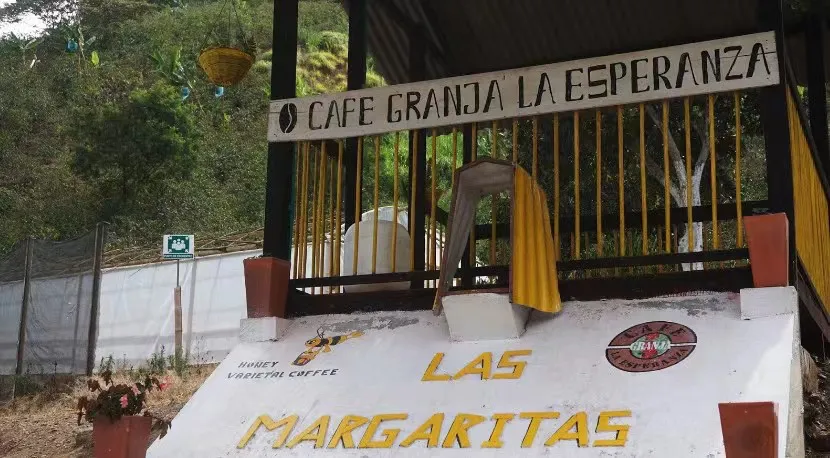
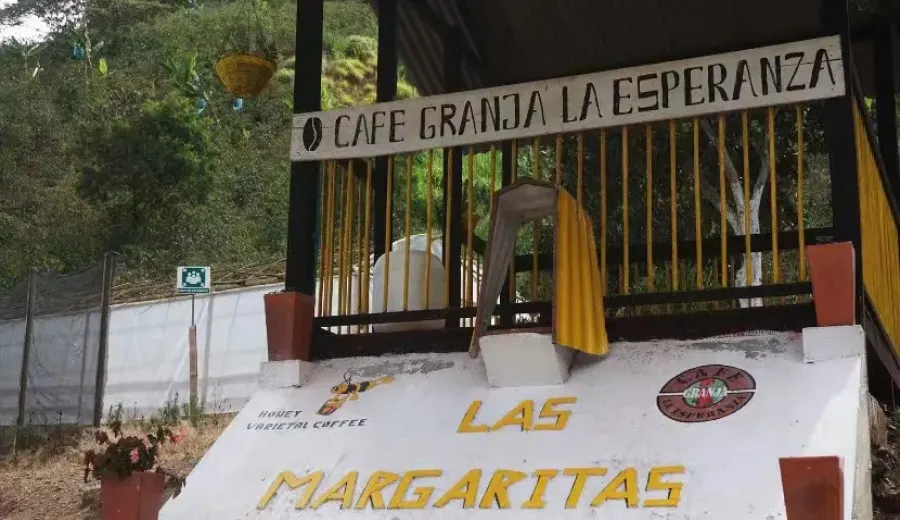
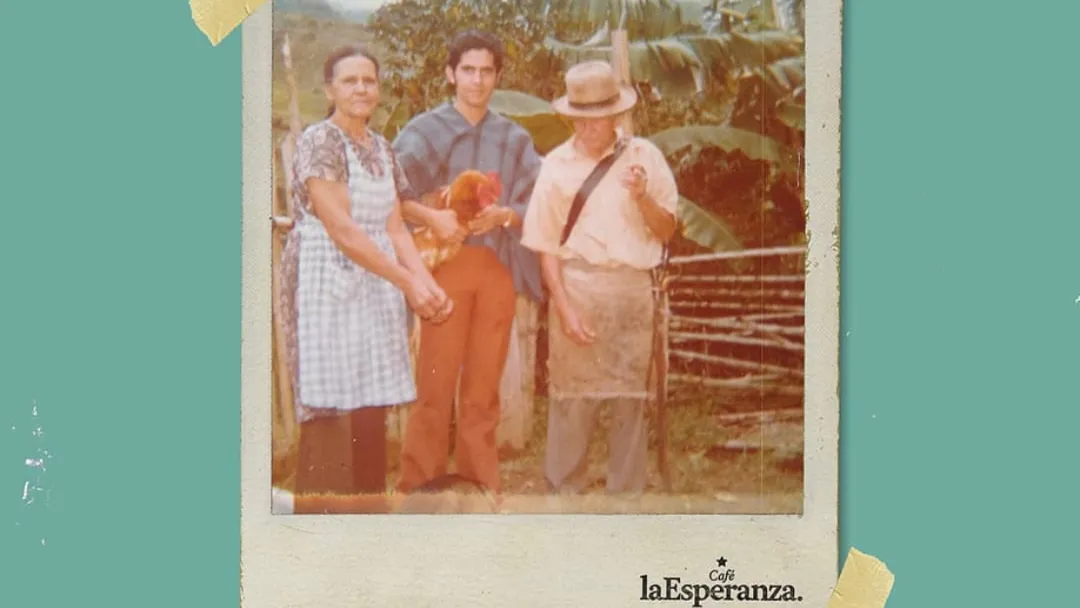
It is worth noting that Granja La Esperanza is not a single farm but a collective brand composed of multiple high-altitude growing regions. Originally, Blanca Ligia Correa and Juan Antonio Herrera took over a farm called Postosi, which primarily grew Typica. As their passion for coffee cultivation grew, they purchased new land nearby in 1945 and began cultivating a variety of cultivars including Yellow Bourbon, Red Bourbon, Caturra, and Typica, naming this new farm “Granja La Esperanza” (Farm of Hope), reflecting their boundless expectations for the future potential of coffee flavors.
Over the years, the couple had 14 children, among whom Rigoberto and Luis became particularly dedicated to coffee cultivation techniques, continuously refining their skills and leading the family to expand its territory by acquiring three additional estates: Margarita, Loma Blanca, and La Hawaii. Currently, the five estates under Granja La Esperanza cover a total area of 150 hectares, most of which are located in Colombia’s Cauca Department, with only La Hawaii Estate situated in the Quindío Department. The cultivation altitude generally ranges between 1400 and 1800 meters, providing optimal ripening conditions for the coffee beans.
As one of Colombia’s highest-altitude coffee-growing regions, the Cauca Department has an average elevation of about 1758 meters, with some micro-regions even exceeding 2100 meters. Such elevation not only creates significant diurnal temperature variations, slowing the ripening process of coffee cherries and allowing for greater accumulation of sugars and flavor compounds, but also benefits from stable rainfall, mild climate, and mineral-rich volcanic soils—making it a golden zone for cultivating specialty coffee. Most of Granja La Esperanza’s farms enjoy these unique terroir advantages, laying the foundation for beans with solid quality and multidimensional flavors.
However, the turning point that truly propelled Granja La Esperanza onto the international stage came in 2007. That year, Mr. Rigoberto decided to travel to Panama, rent the La Carambola farm, and plant the Geisha variety there. The following year, this batch of Geisha won first place in the BOP competition, showcasing astonishing floral and fruity aromas along with a unique acidity structure. This experience made him deeply realize the critical impact of variety selection and processing methods on coffee performance. Since then, the Geisha variety has been introduced to Colombia for local cultivation and experimentally grown in multiple high-altitude areas of Granja La Esperanza, with the Margarita Estate Natural Geisha becoming its flagship representation.
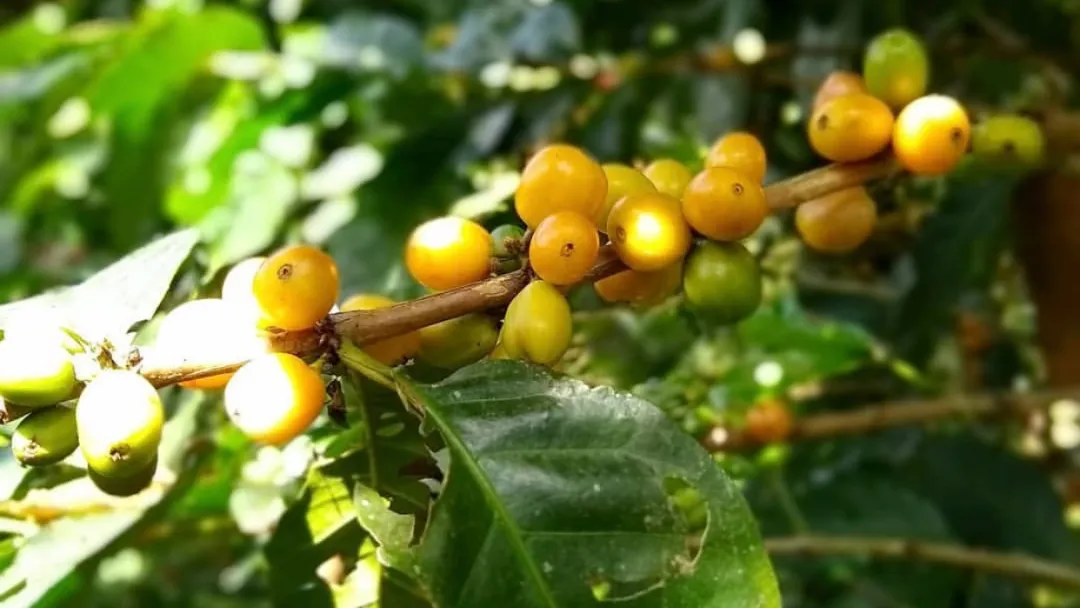
The coffee we are tasting today comes from the Margarita Estate Natural Geisha. These beans are grown at an altitude of approximately 1850 meters. Through a lengthy natural drying process, the sugars from the fruit pulp fully permeate the seeds, imparting a rich sweetness and complex fruit notes to the coffee. During the roasting process, in response to the dense bean structure resulting from the high altitude, the roasting time was intentionally extended, using medium-low temperatures for slow extraction to ensure full flavor release while avoiding underdevelopment or excessive bitterness.
For brewing recommendations, this Natural Geisha is ideal for pour over preparation. A recommended coffee-to-water ratio is between 1:15 and 1:16, with water temperature controlled at 90–92°C. Use a medium-coarse grind to extend the extraction time, capturing the bright blackcurrant juice character, blueberry sweetness, and the dark plum and red wine nuances in the aftertaste. Brewing with a French press can also highlight its body and layered complexity, making it well-suited for coffee lovers who enjoy fruity intensity with wine-like aromatic profiles.
In summary, the success of Granja La Esperanza lies not only in the accumulation of competition awards but also in its rigorous control over terroir, varieties, and processing methods. The Margarita Estate Natural Geisha is the best embodiment of this dedication, inviting coffee enthusiasts to savor the sunshine and craftsmanship of Colombia’s highlands in every cup.
The above content is compiled by CoffeeHunters, a coffee news website.


