







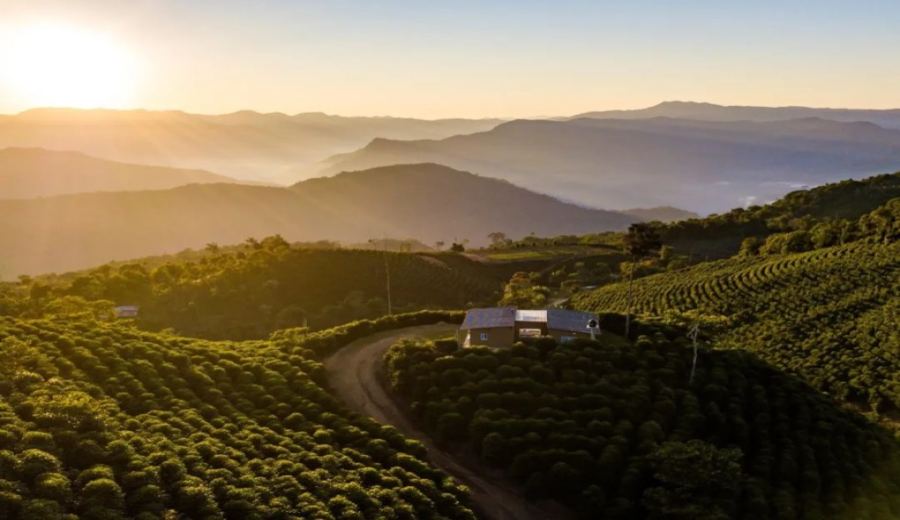
Introduction:Pour over coffee enthusiasts often gravitate towards Ethiopian and Colombian beans, but in fact, three lesser-known origins—Bolivia, Papua New Guinea, and Yunnan—stand out with their unique flavor profiles and affordable prices. This article will take you on an in-depth exploration of the geographical advantages, variety characteristics, and common processing methods of these regions, along with practical flavor descriptions to help you find your next favorite pour over bean.
For those who love pour over coffee, popular origins such as Ethiopia, Kenya, and Colombia are already well-known. But sometimes, it’s nice to try something with distinctive flavors and relatively reasonable pricing. In reality, there are several lesser-discussed high-potential origins that also boast distinct regional characteristics, making them perfect for coffee lovers eager to expand their flavor horizons.
BoliviaIn recent years, it has gradually become a focal point in the specialty coffee scene. As a typical high-altitude origin, most of its coffee farms are located at elevations above 1500 meters. The significant day-night temperature variation helps coffee cherries ripen slowly, accumulating richer flavor compounds. Beans from this region often exhibit delicate acidity and captivating floral and fruity notes, especially those made from theJava variety, which frequently showcase layered citrus and subtle floral aromas, with a clean and refreshing mouthfeel—making them ideal for pour over enthusiasts who prefer bright acidity and soft textures. Additionally, Bolivia offers many naturally processed beans, which often present intense dried fruit sweetness and soft cocoa undertones, resulting in a rounded and unforgettable overall flavor.
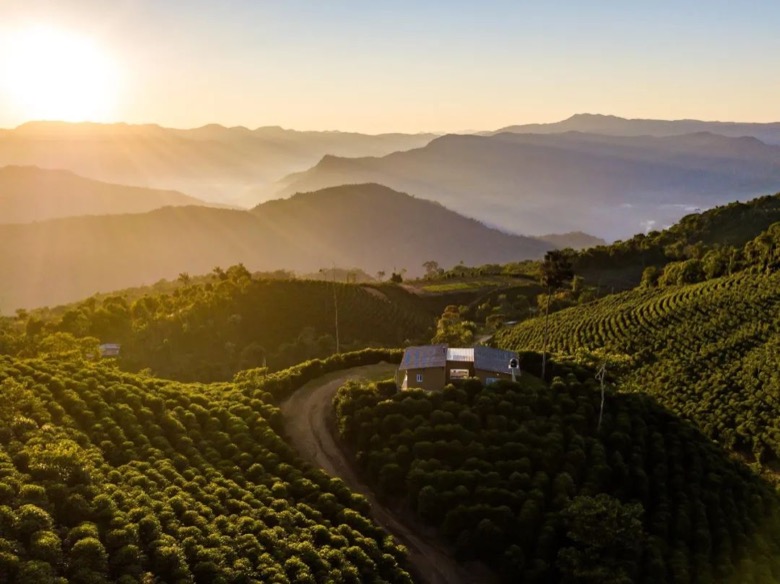
Another noteworthy lesser-known origin isPapua New Guinea, often regarded as an “underrated treasure.” Among its offerings, theParadise Bird Estatefrom the Western Highland region grows theTypica variety, which shares the same lineage as Jamaica Blue Mountain. Cultivated in volcanic soil at altitudes between 1600 and 1800 meters, the beans benefit from exceptional terroir. After undergoing washed processing, these beans demonstrate remarkable clarity, notable sweetness, and a balanced profile of nuts, cocoa, and caramel. The overall flavor texture is similar to that of Blue Mountain, earning it the nickname “Little Blue Mountain” among many coffee aficionados. Even more surprising is its much more accessible price compared to Blue Mountain, making it a great choice for both beginners and seasoned drinkers looking to explore island-style flavors.
As forYunnan, as the representative specialty coffee origin of China, its performance in the international market has become increasingly impressive in recent years. For example, the 2013 vintage Yunnan natural processed Typica is widely praised for its clean mouthfeel and rich aromatic layers. Common citrus and caramel notes intermingle, and medium-to-dark roasting can further highlight the mellow flavors of nuts, chocolate, and brown sugar. The acidity is moderate and well-defined, brimming with local terroir characteristics. It’s worth mentioning that Yunnan beans are also gradually aligning with international processing methods. In addition to traditional natural processing, innovative techniques like anaerobic fermentation have introduced more diverse and intriguing flavor possibilities to this origin—making it an essential domestic specialty not to be missed by pour over enthusiasts.
In summary, lesser-known origins don’t necessarily mean bland flavors—in fact, they often conceal pleasant surprises. They not only feature highly distinctive and recognizable flavor profiles, but are also generally more affordable, making them a fantastic way to broaden your understanding of global coffee origins. Why not pick a bean from one of these three regions and brew it yourself? Perhaps your next everyday go-to bean is just waiting to be discovered.
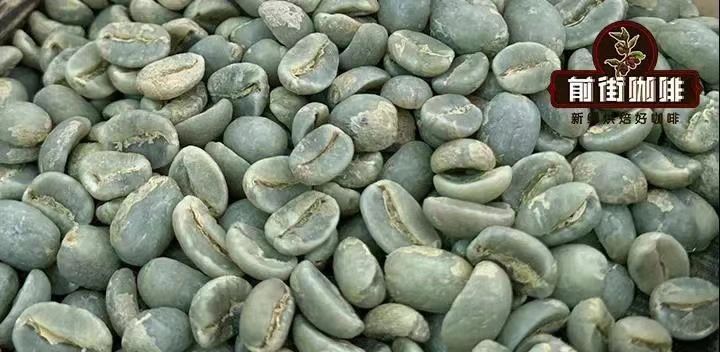
The above content is compiled by CoffeeHunters, a coffee news website.


