







Introduction:Drip bags are the go-to choice for many busy office workers and frequent travelers, but many find that the brewed coffee lacks flavor. In fact, the issue often stems from "under-extraction." This article will help you understand the structural limitations of drip bags—from coffee dosage to filter bag design and water flow control—and guide you step-by-step on how to adjust the coffee-to-water ratio and use segmented pouring techniques to brew a cup of coffee with balanced, rich, and layered flavors.
With their simple operation and portability, drip bags have become a convenient option for many coffee enthusiasts to enjoy great flavor in their daily lives. However, many users find that the coffee they brew often lacks depth and complexity, or even tastes noticeably weak. In most cases, this is due to "under-extraction." How can this be improved? Let’s start with the basic principles of drip bags and break it down step by step.
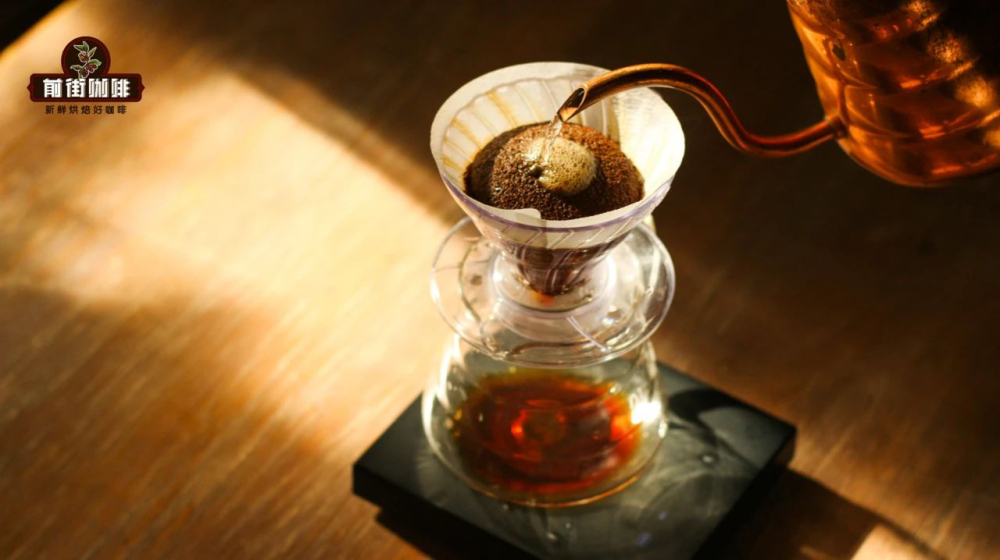
Many people treat drip bags as a simplified version of pour over brewing, but there are key differences in the details of their operation. The structure of the filter bag itself affects the speed and distribution of water flow. Without adjusting your technique to account for these characteristics, it’s easy to pour too quickly, resulting in insufficient immersion and extraction of the coffee grounds.
So, how can you brew drip bag coffee to achieve fuller flavor and a richer mouthfeel? The key lies in controlling the "coffee-to-water ratio," "pouring method," and "extraction time." By mastering these core elements, even beginners can easily get started and enjoy a professional-grade brewing experience.
First, the filter bags used in drip coffee are made of non-woven fabric. While their filtration effect is similar to that of paper filters, the structure relies solely on two side handles to hold the bag up, without tight contact with the cup wall. This allows hot water to seep out from multiple directions. This means that when you pour a large amount of hot water, the pathways for water to pass through increase, and under gravity, the water will pass through the coffee grounds more quickly, leading to overly short extraction time.
In addition, most drip bags contain around 10 to 12 grams of coffee grounds, which is less than the amount typically used in standard pour over brewing. This results in a thinner coffee bed, which further accelerates the speed at which hot water passes through. Coupled with the smaller amount of coffee, the total water volume used is also reduced, further compressing the overall extraction time and making it harder for flavors to fully develop.
Therefore, if you notice that the water drips through too quickly when brewing with a drip bag and the coffee tastes weak, it’s likely due to pouring too fast and under-extraction.
What can you do to adjust this? The solution is actually quite simple: by using "segmented pouring" and "controlling water flow speed," you can effectively extend the extraction time and enhance the richness and flavor expression of the coffee.
The specific approach is to divide the recommended total water volume into several smaller pours. For example, 150 milliliters of water can be poured in five increments of 30 milliliters each, using a slow, small stream while circling the pour to gently introduce the water. This ensures each part of the coffee grounds has sufficient time to interact with the water. This not only reduces the rapid downward flow caused by pouring a large amount of water all at once but also effectively extends the overall extraction time—usually to around two minutes, which is an ideal range for fully showcasing the coffee’s flavors.
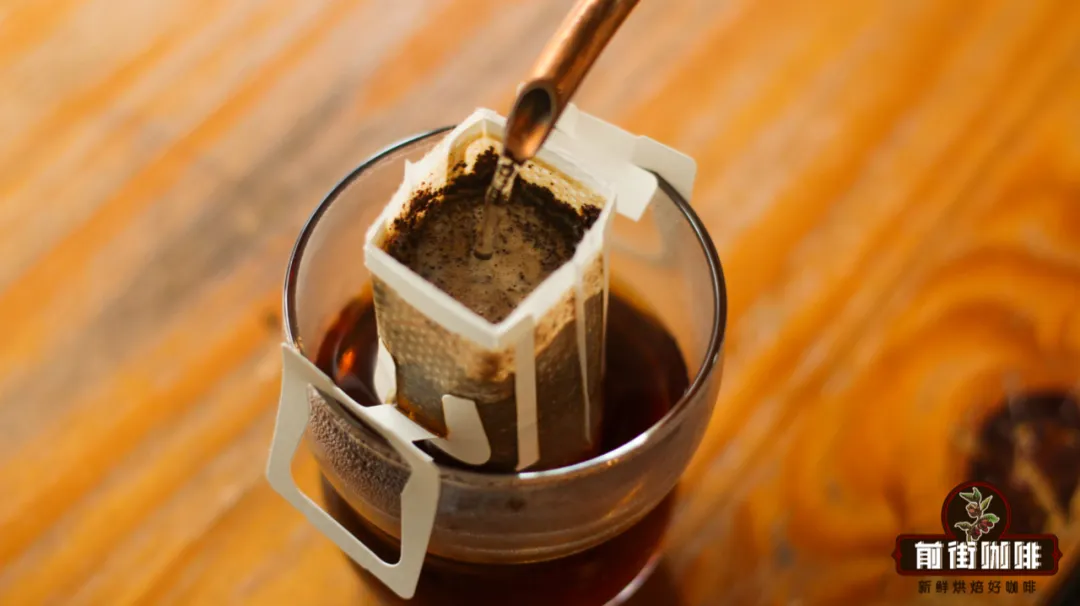
For example, if you’re using 10 grams of coffee grounds, following the common coffee-to-water ratio of 1:15, the total water volume should be 150 milliliters. You can divide this 150 milliliters into five pours of 30 milliliters each, waiting briefly after each pour to ensure the previous water has completely dripped through before proceeding to the next. This way, even as a beginner, you can effectively manage the extraction process and avoid over-extraction or under-extraction.
Additionally, choosing the right coffee beans can greatly impact the final flavor profile. Beans from different origins, due to variations in processing methods and roast levels, will exhibit distinct characteristics. For instance, beans with prominent fruity and sweet notes are well-suited for those who prefer a bright and acidic cup, while dark-roasted beans with rich chocolate and nutty profiles cater more to those who enjoy a full-bodied taste.
In summary, brewing a great cup of drip bag coffee isn’t difficult. The key is understanding its limitations and making reasonable adjustments to the coffee-to-water ratio, pouring method, and time. Once you master these tips, you can easily enjoy a pour over-quality, well-balanced, and layered drip bag coffee at home or in the office.
The above content is compiled by CoffeeHunters, a coffee news website.


