








Introduction:During pour over brewing, if you notice water pooling in the filter cone, an abnormal flow rate, or complete stoppage of the brew, it’s often due to fine coffee particles clogging the filter paper. This not only disrupts the extraction rhythm but can also significantly compromise the flavor of your coffee. This article delves into three common causes of clogging, with a special focus on how fine particles affect the permeability of the filter paper. It also explains the practical roles of the three-pour method and flow cutoff techniques, helping you pinpoint the issue accurately and adjust your brewing process for greater stability.
During pour over brewing, it’s not uncommon for coffee enthusiasts to encounter sudden water pooling in the filter cone, a rapid drop in flow speed, or even a complete halt in the brewing process. This phenomenon, commonly known as "channel clogging" or "fine particle blockage," not only interferes with a normal extraction rhythm but may also result in unpredictable coffee flavors. What exactly causes the water to struggle penetrating the coffee bed? Based on years of hands-on experience and troubleshooting, we’ve identified three primary contributing factors — among which, the blockage of filter paper pores by fine particles is one of the most frequent issues. Additionally, what advantages does the widely used three-pour method offer? What role does the flow cutoff play? The following sections will break down the principles behind these elements in detail, helping you more quickly identify root causes during future brews and make effective adjustments.
If you want to prevent such “unexpected issues” from recurring, it’s essential to promptly identify the cause once they occur and make targeted corrections. Based on practical experience, we’ve found that the core variables leading to this problem mainly include the following three factors. Understanding them will help you achieve more stable control over extraction quality.

1. Fine Particles Clogging the Filter Paper Pores
After completing a pour over brew, if you find the coffee bed in a mushy, almost slurry-like state, this is usually a clear sign of excessive fine particles. These extremely small coffee granules can easily get lodged in the tiny gaps of the filter paper, gradually accumulating until they completely block the pathways for water to pass through.
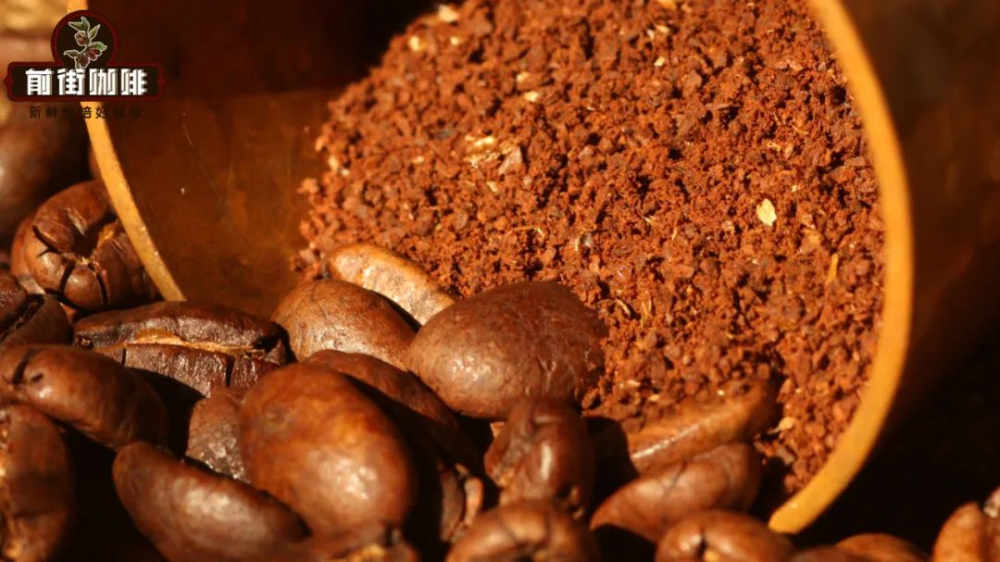
The source of these fine particles may be overly fine grind settings or the natural production of fine fragments during the roasting process of the coffee beans. When these fine particles mix into the coffee bed, they not only slow down the flow rate but also lead to uneven extraction — some areas may become over-extracted while others under-extracted. To avoid this, it’s recommended to choose a medium grind size and minimize the generation of fine particles through excessive grinding. Furthermore, when distributing and tamping the coffee grounds, ensure evenness to prevent localized dense areas that could accelerate the settling of fine particles.



The above content is compiled by CoffeeHunters, a coffee news website.


