







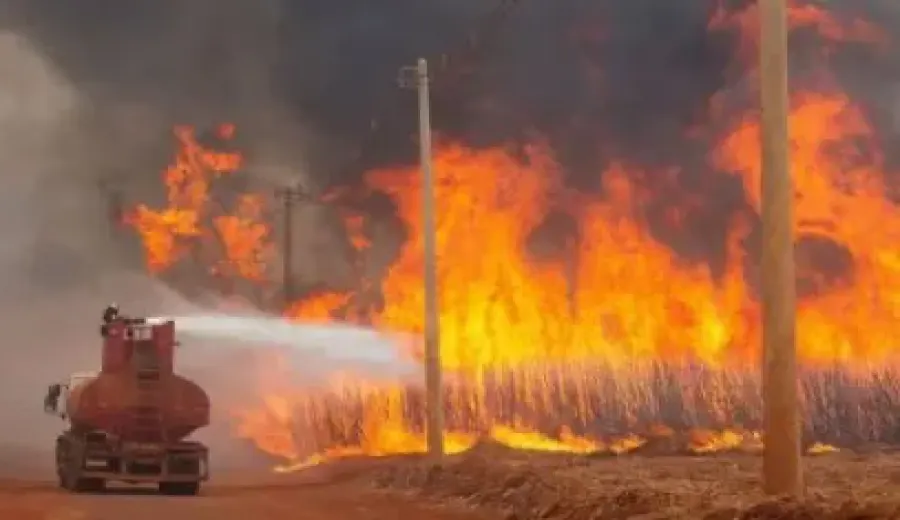
Introduction:Recently, severe wildfires have struck São Paulo State in Brazil, with agricultural land suffering particularly devastating damage—over 80% of fire hotspots were concentrated in coffee and sugarcane plantations. The Civil Defense Department has warned that the risk of fire remains high, with preliminary estimates putting the losses as high as 1 billion Brazilian reais, a figure that may be revised upward. The fires have not only destroyed 80,000 hectares of crops but also led to the death of large numbers of bees, threatening future coffee pollination and yields. Meanwhile, drought conditions have intensified, posing challenges for the Arabica flowering season, while Robusta prices have already surpassed $5,000 per ton. This article provides an in-depth analysis of the impact of wildfires and climate on Brazil’s coffee-growing regions, as well as the potential future trends in the coffee futures market.
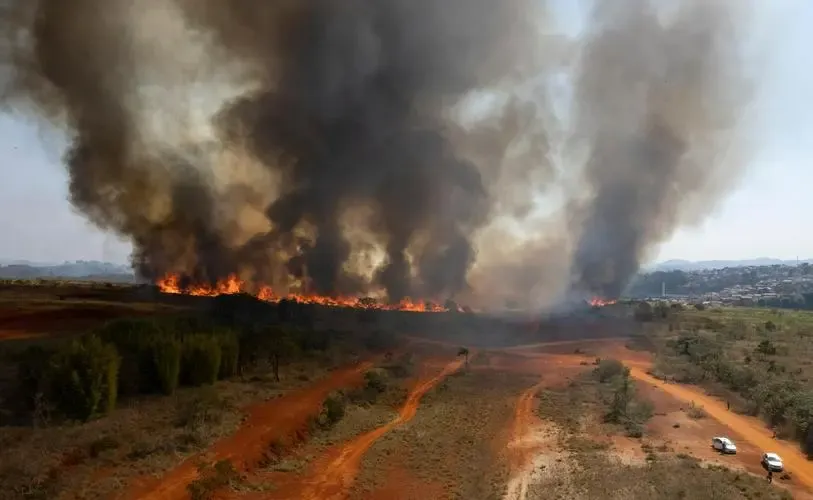
A massive wave of wildfires has recently erupted in São Paulo State, Brazil, prompting civil defense authorities to issue high-risk alerts, noting that the vast majority of the state remains in an extremely flammable condition. Within just three days, from August 22 to 24, the monitoring system recorded 2,600 fire hotspots, over 80% (approximately 81.29%) of which were located on agricultural land—including major sugarcane and coffee estates, with even livestock farms not spared.
Faced with the continuously worsening wildfire situation, the São Paulo State government declared a “heightened alert” as early as August 25, with 46 cities further activating a 180-day state of emergency. Local police have launched investigations, suspecting that some of the fires were deliberately set by humans, and have so far arrested seven suspects. Experts analyze that current extreme weather conditions—such as high temperatures, strong winds (with speeds reaching up to 60 km/h), lack of rainfall, and low humidity—are further fueling the spread of the fires.
Although some of the visible flames have been brought under control, the risk of fire has not yet subsided, and the military remains on standby for immediate support. According to preliminary estimates by the São Paulo State Department of Agriculture and Supply, this round of wildfires has caused approximately 1 billion reais (about 182 million US dollars) in agricultural economic losses, and this figure is based only on statistics from 20 out of 40 administrative regions—the actual impact may be even more significant.
The wildfires have not only destroyed native forests but have also directly affected at least 80,000 hectares of crops, including sugarcane fields, coffee-growing areas, agricultural experimental stations, and a variety of rural crops. Agricultural facilities and farmsteads have also suffered severe damage. Even more worrying is the ecological devastation—experts indicate that it may take up to three years for forest vegetation to recover, and the balance of the ecosystem is unlikely to be restored in the short term.
This disaster has dealt a fatal blow to the local beekeeping industry, with large numbers of bees dying due to the high temperatures and thick smoke, leading to a sharp decline in honey production. Bees are a crucial pollinator for coffee trees, and if their numbers are insufficient when the flowering season arrives, it will directly affect the formation of coffee fruits and future yields. Even coffee trees that were not burned may face reduced yields due to lack of pollination.
The global market is closely watching Brazil—this country, which dominates global coffee production—especially the climate anomalies and spreading wildfires in its key southeastern producing regions. As September approaches, Arabica coffee is about to enter its critical flowering period, but many producing regions have now gone 120 days without effective rainfall, severely worsening flowering conditions.
São Paulo State has experienced its most severe wildfires in decades, with vast vegetation razed to the ground. This not only affects the current year’s harvest but may also drag down next year’s production capacity. Brazil’s meteorological department predicts that heatwaves will strike again in the coming period, with weather remaining dry and rainfall below the annual average, putting upward pressure on Arabica coffee futures prices, which are estimated to potentially climb to 300 US cents per pound. Meanwhile, Robusta coffee prices have already breached the $5,000-per-ton mark, with high probability of continued price increases.
The above content is compiled by CoffeeHunters, a coffee news website.


