







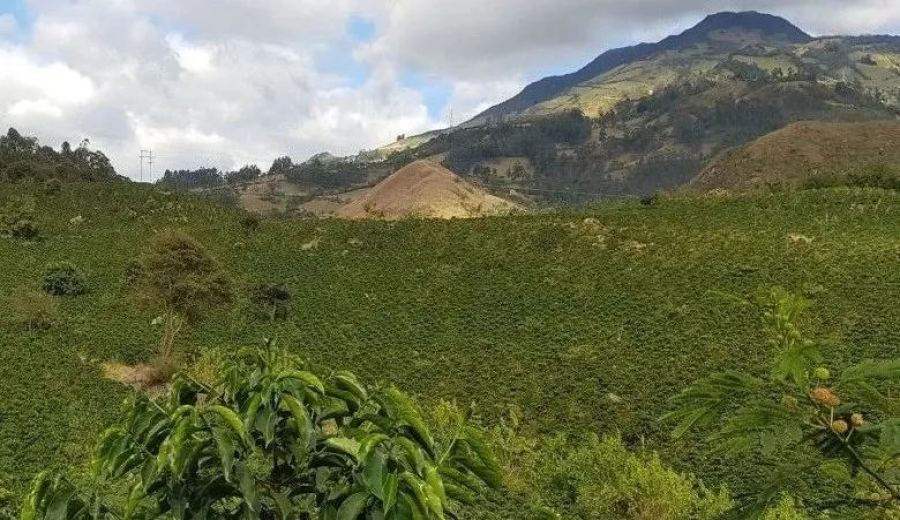
Introduction:Want to dive deeper into the allure of Colombia’s hidden gem coffee region, Nariño? This article will explore how its high altitude and volcanic soil nurture complex and layered coffee flavors, while taking you on a journey through the Obraje Estate — a model of transformation from grain farming to specialty coffee excellence. It also covers the background of high-quality washed processing and COE competition evaluations, helping you grasp key pointers for selecting beans from the Nariño region.
Colombia is located in the northwest of South America and is one of the world’s renowned producers of specialty coffee. Thanks to the Andes Mountains running the length of the country, along with numerous volcanic terrains, it boasts many coffee-growing areas with unique microclimates. Among them, the department of Nariño, though a late starter, has gradually become a favorite among specialty coffee enthusiasts due to its distinctive floral notes and rich body.
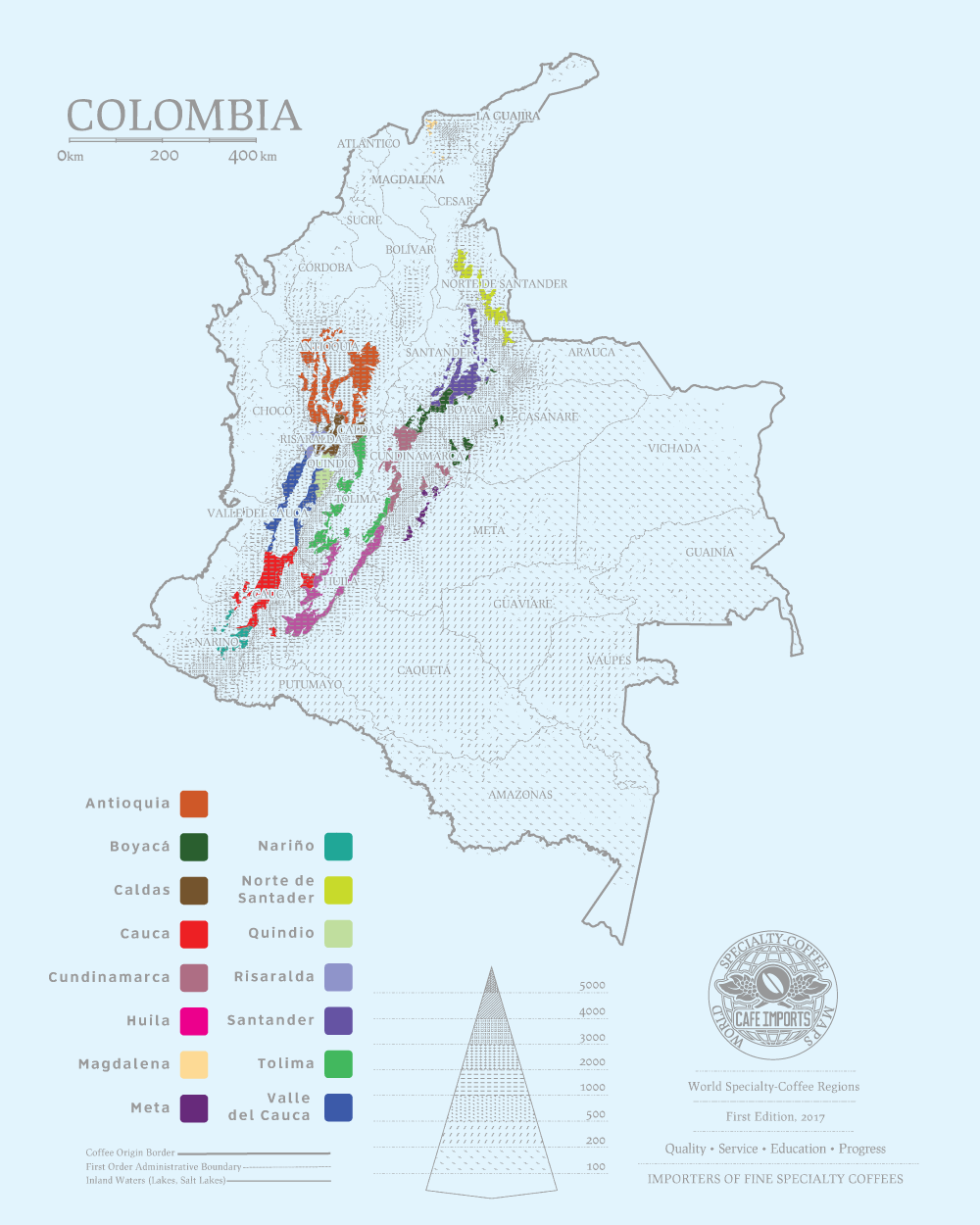
Colombia is divided into 15 major coffee-growing regions, including Cauca, Santander, Antioquia, Huila, Tolima, and Nariño. These regions produce coffee with distinctly different aroma profiles and flavor layers, influenced by variations in altitude, slope orientation, and soil composition.
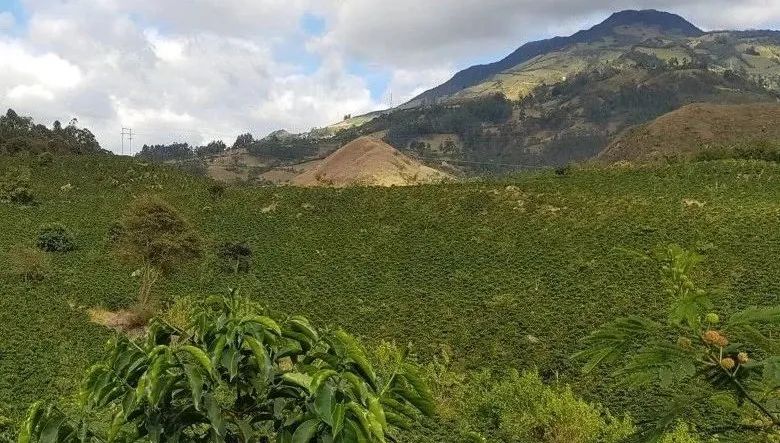
Among these regions, Huila is marked by Colombia’s highest volcano — the Huila Volcano. Located in a valley between the Eastern and Central Cordilleras, it enjoys a relatively stable climate with significant day-night temperature variations due to the sheltering effect of the mountains. This results in classic flavor profiles that are balanced and full-bodied, often with notes of dark chocolate and caramel on the finish. A representative example is the entry-level Huila beans launched by a certain coffee brand, using the Caturra variety with washed processing. Upon tasting, one can clearly perceive notes of nuts and smooth sweetness, making it suitable for everyday brewing.
The Nariño region is situated in southwestern Colombia, bordering Ecuador. It is home to two active volcanoes, Cumbal and Galeras. The soil, enriched with minerals from long-accumulated volcanic ash, combined with high altitudes and ample rainfall, provides an ideal environment for coffee tree growth. The coffee here typically features delicate floral notes, citrus tones, and a long-lasting fruity and tea-like aftertaste, earning high praise from cuppers and competition judges.
When it comes to representative estates in Nariño, El Obraje is undoubtedly a name that cannot be overlooked. The estate belongs to the Guerrero family and is currently managed by Pablo Andres Guerrero. It is located in the town of Tangua in southern Nariño, at the foot of the Galeras Volcano. In its early days, this land was mainly used to grow wheat and other grains. Later, due to changes in government import policies, attempts were made to cultivate other fruit crops, but none achieved stable profitability. It wasn’t until the late 1990s, when the government actively promoted coffee cultivation policies, that El Obraje began venturing into the coffee industry in the early 2000s, becoming one of the earliest pioneers in Nariño to focus on specialty coffee production.
Initially, like many local smallholder farmers, El Obraje primarily aimed for high yields. However, around 2010, the estate began to recognize the importance of quality. It gradually introduced premium varieties such as Geisha and Caturra, and invested in building its own processing facility, committing to quality control throughout the entire process from planting to post-harvest. Today, besides focusing on Geisha and Caturra, the estate has also set up an experimental plot to cultivate emerging varieties such as Sidra, hoping to discover more expressive flavor profiles through diverse trials.
Alongside improving quality, El Obraje has also actively participated in various domestic and international coffee evaluations and competitions. Since 2020, it has competed in Colombia’s Cup of Excellence (COE). In 2021, it won the COE championship with a washed Geisha variety, solidifying its leading position not only in the Nariño region but across Colombia’s specialty coffee scene. In addition to operating its own brand “Obraje Café Especial” with a direct retail store, the estate also collaborates with several local coffee cooperatives to help other smallholders enhance their cultivation techniques and post-processing methods, further boosting the overall international competitiveness of the region.
In summary, thanks to its unique geographical conditions and increasingly refined cultivation and processing techniques, the Nariño region has gradually secured a place in the global specialty coffee market. The transformation journey of El Obraje is not only a microcosm of the development of the Nariño region, but also serves as a representative benchmark for consumers eager to explore the flavors of this area.
The above content is compiled by CoffeeHunters, a coffee news website.


