







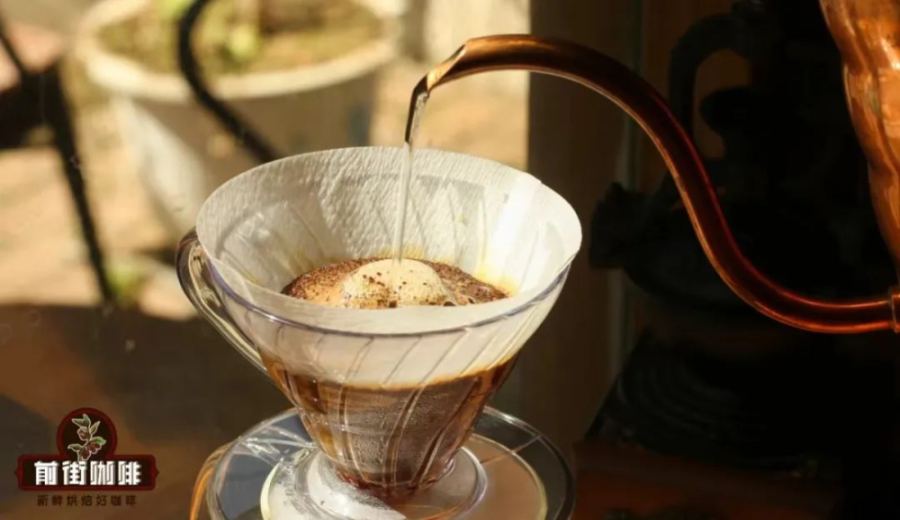
Introduction:The flavor profile of pour over coffee is closely related to the pouring technique. Different water flow control and segmentation strategies can significantly impact the extraction efficiency and taste complexity of the coffee. This article provides an in-depth breakdown of seven mainstream pour over techniques, including one-pour, three-stage, and 4-6 flush, analyzing the core logic, operational details, and suitable flavor profiles of each technique to help coffee enthusiasts find the brewing method that best suits their personal preferences.
In the world of pour over coffee, the pouring technique is not only a display of technical skill but also a key factor influencing the final flavor outcome. By adjusting variables such as water temperature, coffee-to-water ratio, brew time, and grind size, each brewing method guides a different release ratio of soluble substances in the coffee, thereby shaping a unique flavor profile. For this reason, many coffee enthusiasts choose the brewing approach that best aligns with their preferences for acidity, sweetness, or body. Currently, the most common and representative pour over techniques in the community can be broadly categorized into seven types, each with its own unique operational philosophy and flavor characteristics.
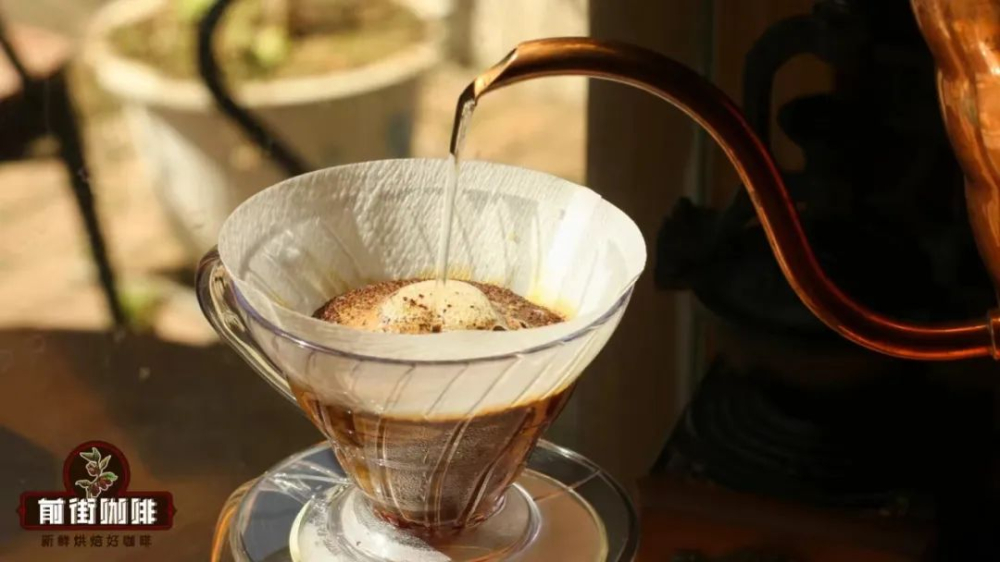
The reason these mainstream pour over techniques are widely discussed lies in the fact that they all involve specific designs targeting core parameters such as water temperature control, pouring rhythm, and coffee bed distribution, thereby altering the coffee’s extraction curve. Whether you're aiming for a bright and clear acidity or a full and rich body, choosing the right brewing method can greatly enhance the coffee’s expression. Below, we’ll take a detailed look at the core features, practical operational considerations, and the flavor profiles of these seven techniques to help readers gain a deeper understanding of the intricacies of pour over brewing.
In reality, the differences between these techniques go beyond just variations in steps — they originate from fundamentally different extraction strategies that optimize factors such as coffee-to-water contact time, heat distribution, and grind size. It’s these subtle adjustments in variables that can lead to significant differences in the final cup’s acidity-sweetness balance, aroma layers, and even aftertaste. Every coffee enthusiast can experiment with different techniques to find the brewing logic that best highlights the unique characteristics of their beans.
The following will focus on seven currently popular techniques in the pour over realm, delving into their operational highlights and flavor features to assist readers in selecting or experimenting with the brewing method that best suits their preferences. (The subheadings serve as a guide to the detailed explanations of each technique — feel free to explore further based on your interest.)
I. One-Pour (Yi Dao Liu / 一刀流)
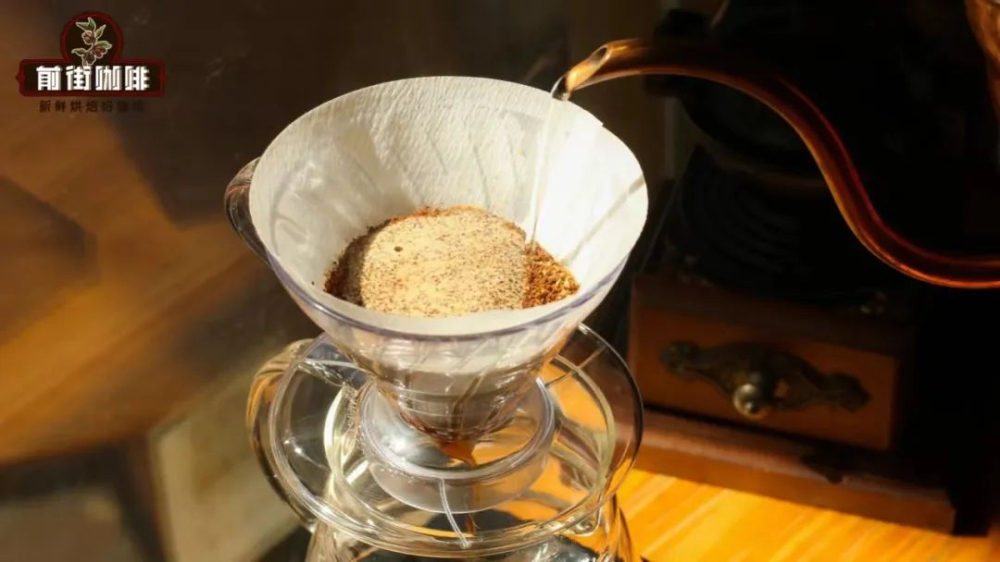
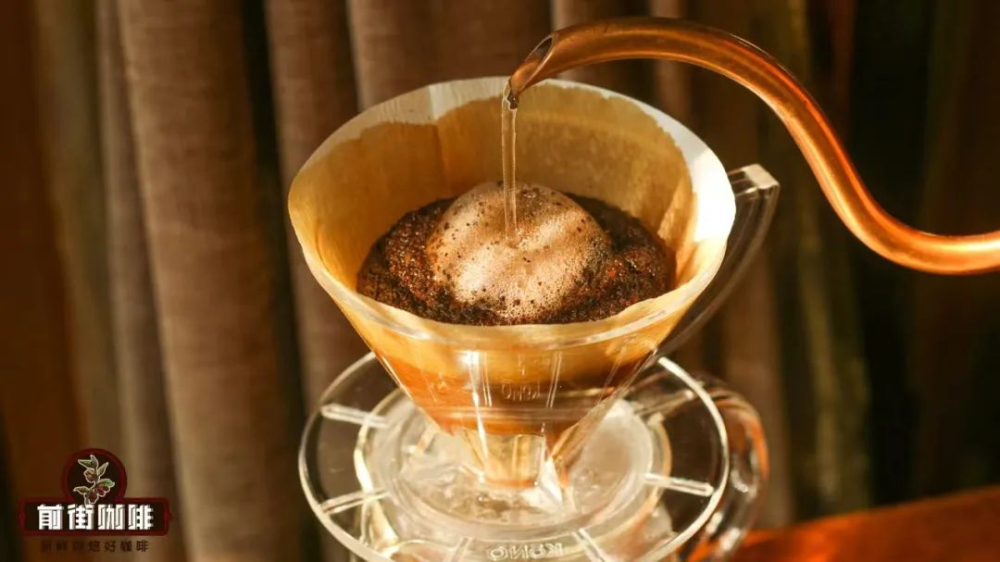
One-pour is one of the techniques that many pour over beginners and advanced enthusiasts are quite familiar with. Its most distinctive feature is that, after the bloom phase, the remaining target brew water is poured continuously and without interruption in one go. This method emphasizes uniform saturation of the coffee bed and stable extraction. Through consistent control of the water flow, it minimizes excessive stage-based disruptions, helping to maintain a balanced flavor and clear layering.


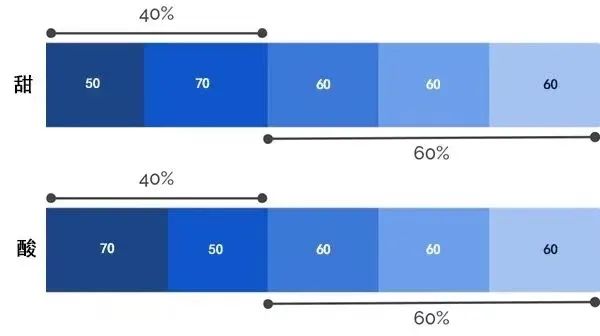

Overall, these seven mainstream pour over techniques each have their own distinct features. Whether you prefer the simplicity and fluidity of the one-pour method or the more segmented control of advanced techniques, you can find the most suitable extraction strategy based on your personal taste. So, which brewing school do you lean toward the most?
The above content is compiled by CoffeeHunters, a coffee news website.


