







Introduction:The recent large-scale protests in Indonesia have not only disrupted social order but also dealt a heavy blow to the coffee industry, which was already struggling with declining production and fluctuations in the international market. Exports from Sumatra’s major producing regions have been cut in half, compounding challenges from the Red Sea shipping crisis and high Robusta prices—industry players are facing multiple pressures. This article provides an in-depth analysis of how political unrest is impacting the coffee supply chain, along with updates on regional conditions and market data.
Indonesia has recently seen large-scale protests against revisions to the Local Elections Law. The situation outside the parliament building in Jakarta once spiraled out of control, with over 300 people arrested. This political turmoil comes at an extremely difficult time for Indonesia’s coffee industry—coffee exports from the key Sumatra region have plummeted by more than 50% year-on-year, global Robusta prices remain high, and the Red Sea shipping crisis has further exacerbated the strain on the Indonesian coffee market.
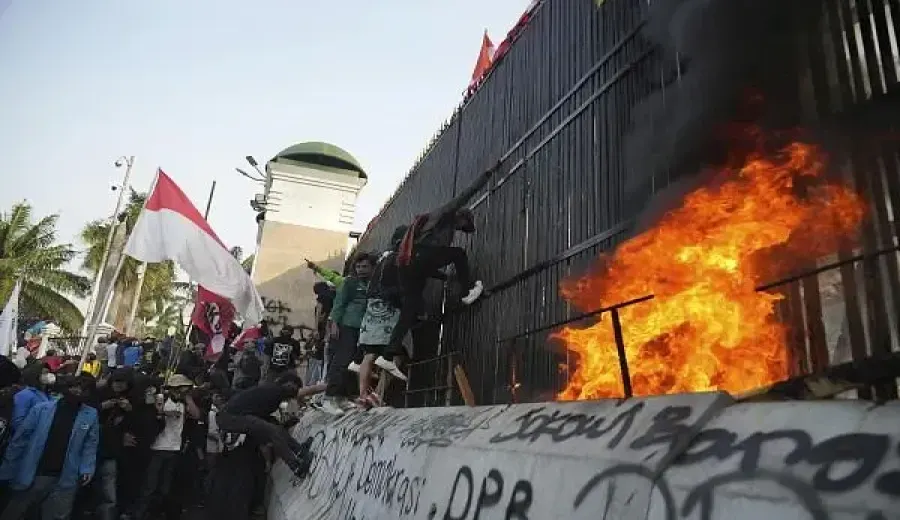
On August 22, large-scale demonstrations took place in Jakarta and several other cities. Some protesters clashed with police and even breached the parliament building’s barriers, creating scenes of chaos. After police used tear gas to disperse the crowds, troublemakers continued to set police cars on fire and damage public facilities, resulting in 301 arrests for violent behavior. The following day, more supporters of the Constitutional Court’s ruling gathered outside the Election Commission, including students and ordinary citizens, continuing to voice their demands.
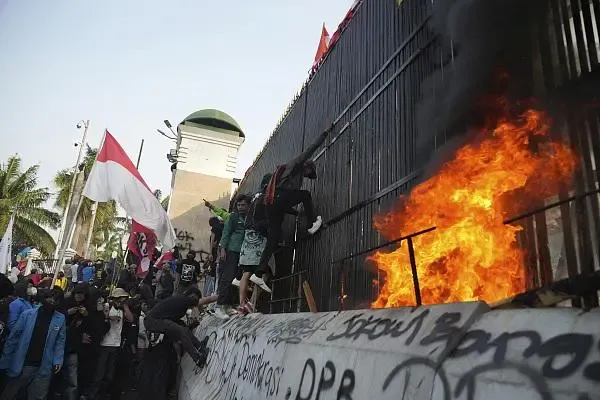
To maintain order, Indonesian police deployed 3,719 security personnel from police, military, and local agencies, taking strict measures to prevent protesters from storming the parliament building or blocking traffic, while also preparing firefighting equipment in case of arson. The trigger for these protests was public opposition to the revised Local Elections Law, which originally sought to bypass the Constitutional Court’s decision, sparking nationwide dissatisfaction. In the end, the parliament announced the cancellation of the amendments and respect for the judicial ruling.
Analysts pointed out that the amendment was allegedly designed to pave the way for President Joko Widodo’s family members, further fueling public anger. This led to market volatility on August 22, with the Jakarta Composite Index dropping 0.87%. In fact, Indonesia has long faced issues such as rising prices and limited wage growth, putting pressure on all industries. Although the immediate goal of the protests has been achieved, the public remains concerned about potential policy reversals, leading to continued pressure.
Meanwhile, coffee farmers across Indonesia have also expressed dissatisfaction with the government. Rising production costs due to inflation, coupled with frequent natural disasters this year, have led to a sharp decline in coffee yields. Although the government has long prioritized coffee as a key industry and increased subsidies, the impact has been limited. Official data shows that in June 2024, Sumatra’s producing regions exported only 120,868 bags (each 60 kg) of coffee, a 51.89% year-on-year decrease; exports in the first three months of the 2024/25 season (April to June) also fell by 51.56% compared to the same period last year.
Adding to the challenge, global Robusta coffee prices continue to rise, but the Red Sea crisis has led many countries to reduce coffee bean purchases from Asia, severely impacting Indonesia’s export markets.The dual pressures of declining production and reduced international demand have left the outlook for Indonesia’s coffee industry highly uncertain.
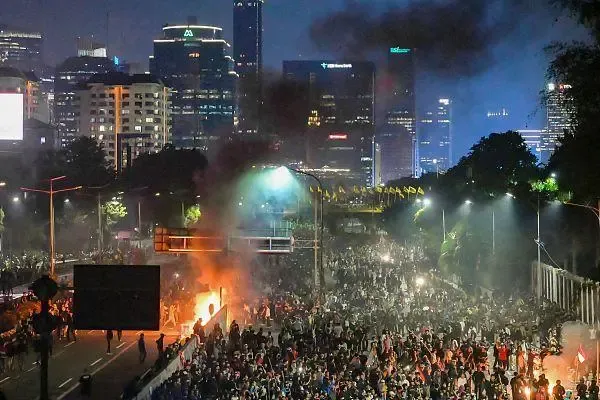
Currently, conflicts in multiple regions are ongoing, and union involvement in the demonstrations may lead to delays in processing and exports, further hindering industry operations. Industry insiders generally believe that under the current political instability, Indonesia’s coffee supply chain is unlikely to stabilize in the short term, and future market trends warrant close attention.
The above content is compiled by CoffeeHunters, a coffee news website.


