








Introduction:Although cappuccino and latte are both classic Italian milk coffees, they differ significantly in details such as milk foam thickness, coffee-to-milk ratio, and cup size specifications, which in turn affect their taste profiles. In particular, iced cappuccino has become a popular option among chain brands in recent years, yet is rarely offered by specialty coffee shops. This disparity involves differences in brewing techniques and consumer expectations. This article will delve into the essential distinctions between the two and provide a step-by-step guide to making iced cappuccino correctly, helping you master professional-level coffee-to-milk ratios and milk foam control techniques.
Cappuccino and latte are both Italian milk coffees, yet they often leave people confused. Many enthusiasts have noticed that while chain brands have launched iced cappuccinos, specialty coffee shops seldom offer them. This is due not only to considerations of taste but also to practical challenges in preparation. This article takes the perspective of a certain coffee shop, first tracing the naming origins and Italian traditions of cappuccino, then comparing it with latte in core aspects such as milk foam thickness, coffee-to-milk ratio, and cup volume. It subsequently breaks down the specific steps and precautions for making an iced cappuccino, helping you recreate its layered, refreshing taste at home.
Many coffee enthusiasts have a question: if major chain brands are all selling iced cappuccino, why is it so hard to find in specialty coffee shops? A certain coffee shop believes the reasons mainly boil down to two aspects—differences in the drinking experience and the relatively more complicated preparation process.
This milk coffee originated in Italy. Because the color of the coffee after adding milk closely resembles the color of the robes worn by Franciscan monks, people borrowed the name of the robe, "Cappuccino," to refer to it.

What exactly is a cappuccino?
To understand the difference between cappuccino and latte, it's first necessary to clarify their basic definitions. In traditional Italian coffee, cappuccino strictly follows the golden 1:1:1 ratio—that is, one part espresso, one part steamed milk, and one part milk foam. This ratio creates its unique layered taste profile: the bottom has a strong coffee aroma, the middle is smooth milk, and the top is dense milk foam, with clear boundaries between the three.
In contrast, latte (Latte) has a higher proportion of milk, typically using a coffee-to-milk ratio of 1:3 to 1:5, with milk foam thickness of only about 1-2 centimeters, resulting in an overall smoother and creamier taste. Lattes generally have a larger cup size, usually between 300-350 milliliters, making them suitable for those who prefer a milk-forward flavor.

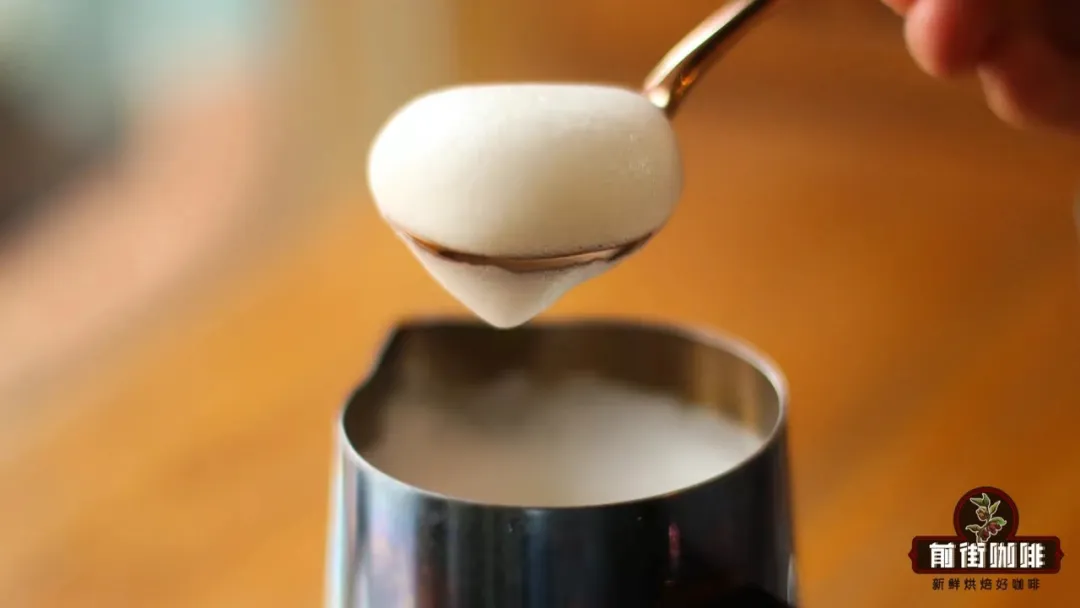
The Unique Challenges of Iced Cappuccino
Iced cappuccino has become a new favorite in the market in recent years, but the difference in availability between chain brands and specialty coffee shops is worth noting. The main reasons are that it’s harder to control the integration of milk and coffee in cold drinks, especially since milk foam is less likely to maintain a dense texture in low temperatures. Additionally, the taste of iced cappuccino is affected by ice dilution, requiring more precise adjustments to coffee concentration and milk ratio.
Specialty coffee shops usually focus more on presenting the essence of the coffee itself. The standardization of iced cappuccino is difficult, and consumer expectations for the quality of iced drinks vary greatly, hence it is offered less frequently. Chain brands, on the other hand, can provide iced cappuccino more stably through standardized recipes and equipment, meeting the needs of the mass market.

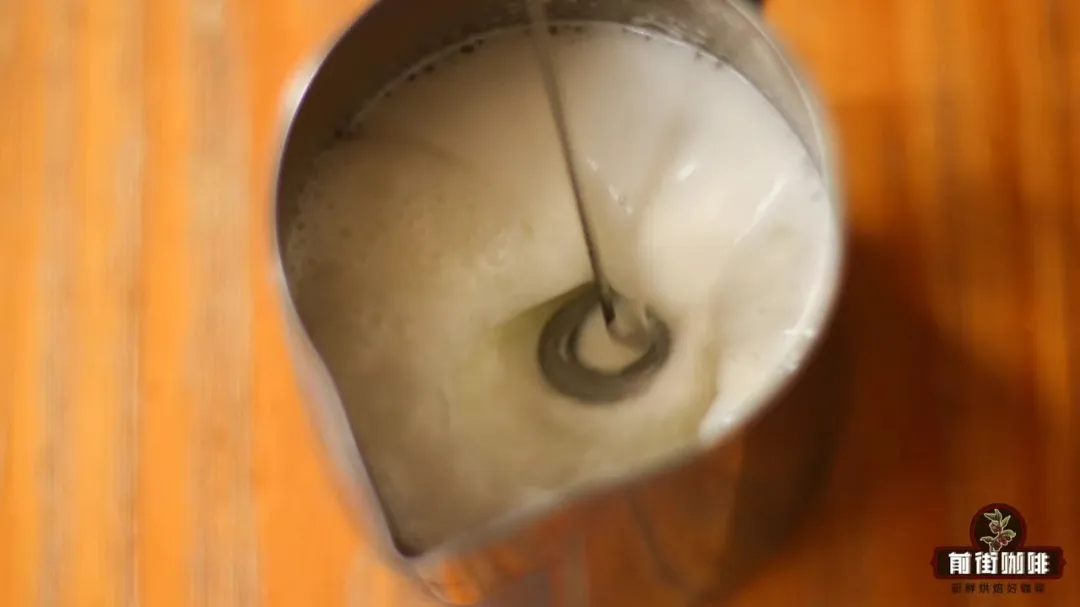
Key Techniques for Making Iced Cappuccino at Home
If you want to replicate a professional-grade iced cappuccino at home, you need to master the following core points:It is recommended to maintain a coffee-to-milk ratio of 1:2, with a total volume of about 300 milliliters, of which ice cubes occupy about 100 milliliters of space.Use medium-fine ground coffee beans to extract 30 milliliters of espresso, paired with steam-frothed medium-density milk foam heated to a slightly warm temperature (about 60-65°C), with a thickness of about 1.5 centimeters.
In terms of preparation steps, first add ice cubes to the cup, then pour in the espresso, and finally slowly pour in the milk while retaining some of the milk foam on the surface. If you prefer a richer taste, you can additionally sprinkle cocoa powder or cinnamon powder as decoration. Be mindful not to make the milk too hot, as this may damage the structure of the milk foam and affect the final drinking quality.

The above content is compiled by CoffeeHunters, a coffee news website.


