







Introduction:Africa is not only one of the birthplaces of coffee but also home to diverse and promising coffee-growing regions. Beyond the well-known Ethiopia and Kenya, countries such as Malawi, South Africa, and Uganda also produce coffees with distinctive flavor profiles. This article will take you on an in-depth journey through the growing environments, historical backgrounds, and unique coffee characteristics of these nations, while also briefly introducing other small regions that are gradually making a comeback—helping you fully grasp the diversity and potential of African coffee.
Thanks to its mix of highlands, volcanoes, and rivers, combined with a tropical climate brought by the equator, the African continent is naturally suited for coffee cultivation. In addition to the two renowned producing regions of Kenya and Ethiopia, countries such as Malawi, South Africa, and Uganda also possess significant, yet often overlooked, coffee production potential. This article will analyze in detail the cultivation background, variety characteristics, and flavor profiles of these three countries, while also giving you a glimpse into the current status and revitalization progress of smaller, niche regions such as Zambia, Côte d'Ivoire, Zimbabwe, and Angola.
Africa as a whole is referred to as the "plateau continent," with an average elevation exceeding 750 meters. Its diverse terrain—including mountains, lakes, and volcanoes—paired with the tropical climate near the equator, provides ideal growing conditions for crops. Among them, coffee is deeply embedded in the agricultural structures of many countries—not just as an economic crop, but also as a cultural symbol. From East Africa to Southern Africa, each region showcases different flavor characteristics and cultivation challenges.
Located in southeastern Africa, Malawi is a landlocked country. The East African Rift Valley runs through it, creating numerous plateaus and volcanic mountainous areas. With Africa’s third-largest lake, Lake Malawi, providing stable water sources, and a tropical savanna climate, the country is very suitable for coffee cultivation. Coffee was first introduced during the British colonial period. Thanks to fertile soil and favorable climatic conditions, production once reached 7,700 metric tons. However, as international coffee prices remained low for an extended period, many farmers shifted to growing nuts, tea, and tobacco, leading to a sharp decline in coffee output. It was only after the country gained independence that, through land reforms and cooperative management, the coffee industry gradually stabilized.
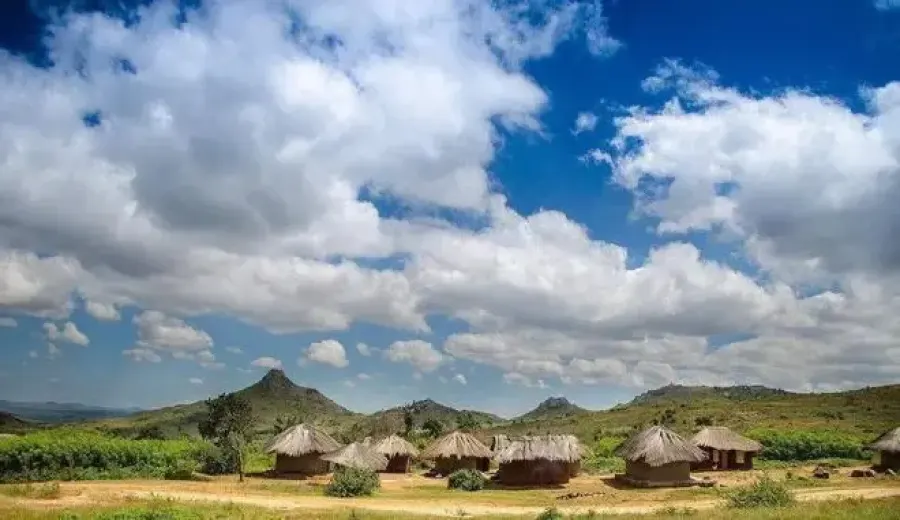
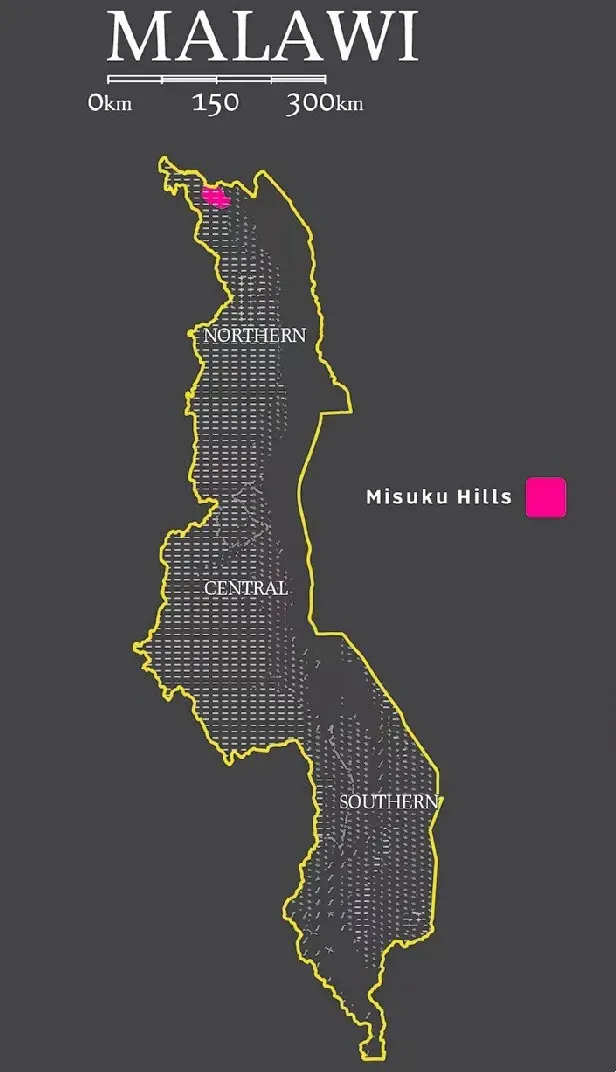
Currently, coffee in Malawi is mainly grown in the southern and northern regions. The Nkhata Bay Highlands in the south consist mostly of large-scale integrated farms where the main crops include nuts, tea, and tobacco, with coffee making up only a small portion. In contrast, the Misuku Hills in the north are dominated by smallholder farmers and represent the core area of local coffee production. Common varieties include Geisha, Bourbon, and Catimor. Coffees produced here typically exhibit aromas of citrus, dark plum, and stone fruits, with clear and layered flavors. The national annual production is about 350 tons, with the majority being exported to South Africa and EU markets.
Although not as widespread as other crops, South Africa’s coffee industry has its own unique historical and geographical background. Located at the southernmost tip of Africa, the country is surrounded by sea on three sides, features mountainous terrain, and has volcanic landscapes in the eastern Drakensberg Mountains. With abundant water resources and a warm temperate climate—where average annual temperatures range between 10–24°C—it is suitable for growing a variety of economic crops, including sugarcane, maize, and coffee.
Coffee cultivation in South Africa began in the early 20th century, driven by government initiatives, and enjoyed a period of healthy development, with production once reaching as high as 3,000 metric tons. However, changes in policy and increased competition in the international market led many coffee farms to switch to other high-value crops due to high production costs, resulting in a significant reduction in planted area. Additionally, early frosts in the southern regions forced coffee cultivation zones to gradually shift eastward and northward. Currently, the national coffee-growing area is reduced to approximately 200 hectares.
Today, coffee in South Africa is primarily concentrated in the eastern KwaZulu-Natal Province and the northeastern Mpumalanga Province. The varieties grown include both Arabica and Robusta. Arabica is mostly imported from Kenya, featuring lower acidity but rich aroma, and is mainly exported to China, South America, Asia, and some African nations.
Uganda is an important producer of Robusta coffee in Africa and is also gradually developing its Arabica cultivation. Straddling the equator, the country is largely part of the East African Plateau, with numerous lakes and volcanoes, earning it the nickname "the water tower of the plateau." It has a tropical savanna climate, with annual rainfall generally ranging between 1,000–1,500 millimeters. The high altitude and fertile volcanic soils provide ideal conditions for coffee growth.
The southern shores of Lake Victoria in Uganda are the birthplace of Robusta, making it the country’s long-standing primary coffee variety, with large and stable output. Arabica was introduced in the 20th century from either Malawi or Ethiopia, but due to its higher environmental requirements, it is grown only in limited areas. Coffee was once one of Uganda’s major export commodities, but in 1990, drought and falling prices caused output to drop by around 20%. In recent years, with improvements in agricultural technology and a rebound in market demand, production has been gradually recovering.
Currently, Uganda’s Arabica is mainly grown in regions such as Bugisu in the east, West Nile, and the Rwenzori Mountains, with varieties including Kent, Typica, SL14, and SL28. These varieties often exhibit pronounced notes of berries, floral tones, and molasses. Robusta, on the other hand, is concentrated in the southern regions and accounts for the vast majority of the country’s total output. Uganda produces approximately 410,000 metric tons of coffee annually, with the main export destinations being the EU, the United States, and India. Imports into the Chinese market have also been increasing year by year.
In addition to the major producing regions mentioned above, Africa has several smaller coffee-producing countries with potential. For example, Zambia produces about 2,000 tons of coffee annually, most of which is supplied to the domestic market; Côte d'Ivoire, primarily known for cocoa, produces around 100,000 tons of coffee per year, mostly exported to Europe and the United States; Zimbabwe’s production once dropped to just 200 tons per year but has now gradually recovered to around 10,000 tons; Angola, which saw nearly all coffee cultivation disrupted due to years of civil war, has been recovering over the past few decades, and now produces about 18,000 tons per year, mainly exporting to Western European countries such as Portugal and Spain.
In summary, the diversity of African coffee-producing regions is reflected not only in their geographical and climatic conditions but also in the unique variety choices and flavor expressions of each country. Whether you’re seeking bright and acidic Arabicas or bold and full-bodied Robustas, Africa offers a wealth of options well worth exploring for coffee enthusiasts.
The above content is compiled by CoffeeHunters, a coffee news website.


