







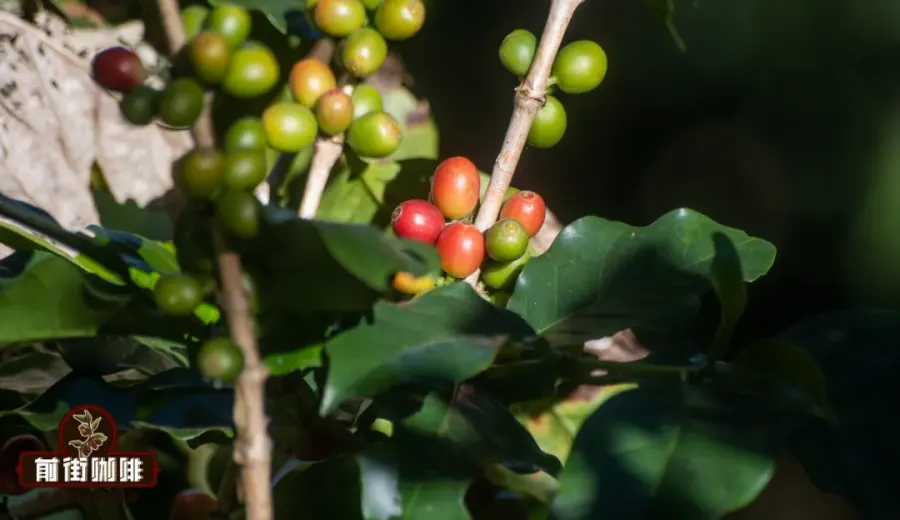
Introduction:Did you know that Yunnan small-grain coffee is actually a member of the Arabica family? From the first coffee tree planted by French missionaries in Zhukula Village during the late Qing Dynasty to the introduction of the Catimor variety in the 1980s due to the leaf rust crisis, this century-long industry journey has been full of twists and turns. This article will take you deep into the evolution of Yunnan small-grain coffee varieties, analyze the differences between Typica, Bourbon, and Catimor, and uncover Nestlé’s pivotal role in the development of local coffee.
What variety does Yunnan small-grain coffee actually belong to? Behind this common name lies a century-spanning history of coffee industry development. To understand the true nature of "Yunnan small-grain," we need to start with the classification of coffee plants.
The definition of "small-grain" in the Arabica family
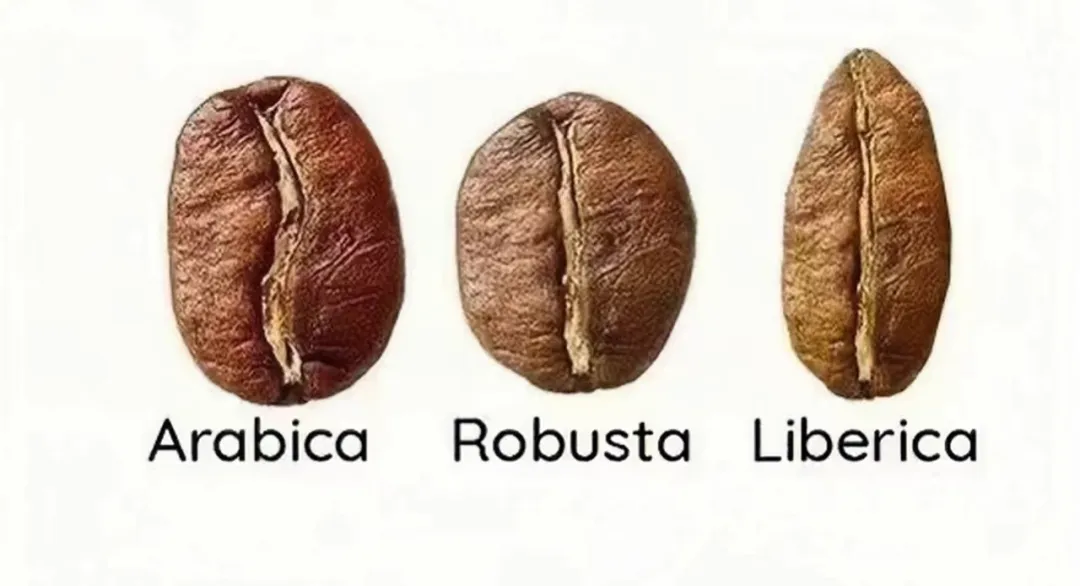
There are over 130 species of coffee plants worldwide, but only three — Arabica, Robusta, and Liberica — have commercial cultivation value. Among them, Arabica beans are noticeably smaller in size compared to the other two, which is why the industry commonly refers to it as the "small-grain variety." Yunnan small-grain coffee, as the name suggests, refers to Arabica cultivars grown within Yunnan Province.
However, it’s important to note that Arabica itself includes numerous cultivated varieties, such as the well-known Typica, Bourbon, and Geisha. These varieties differ in flavor characteristics, disease resistance, and altitude adaptability, so the specific variety referred to as "Yunnan small-grain" has varied across different periods.
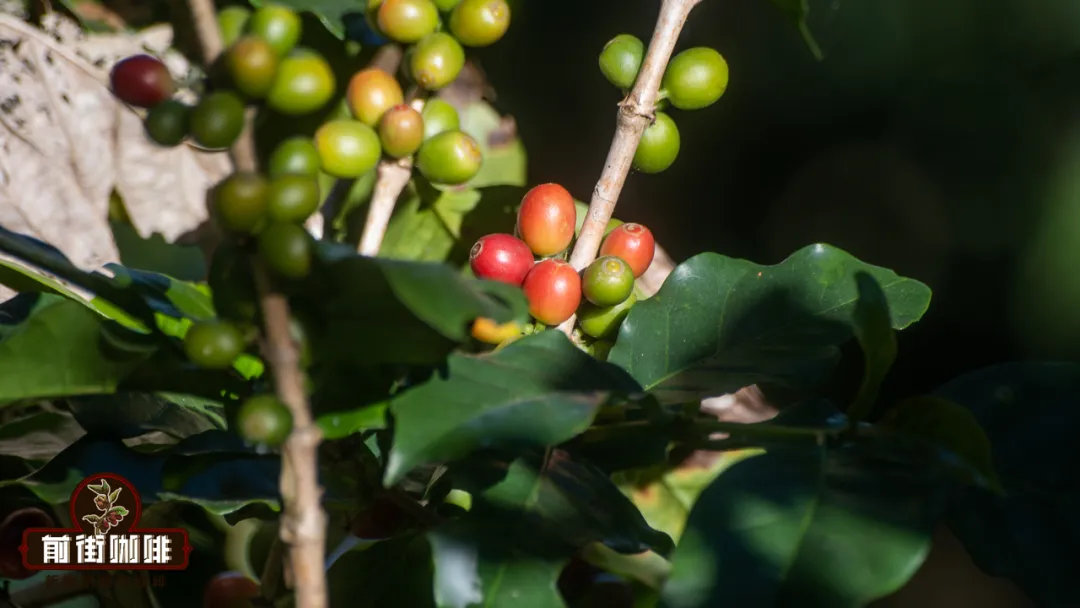
The historical stages of coffee cultivation in Yunnan
According to historical records, the origins of coffee cultivation in Yunnan can be traced back to the 18th year of the Guangxu reign during the Qing Dynasty (1892). At that time, French missionary Téodore Monod introduced coffee seedlings from Vietnam and planted the first batch of coffee trees in Zhukula Village, Binchuan County, Dali. He also taught local residents how to process, grind, and brew coffee beans. However, due to the remote location and poor transportation, the initial planting scale was very small and failed to form an industrial scale.
The real turning point came in the 1950s. In 1952, experts from the Yunnan Academy of Agricultural Sciences discovered coffee plants with red fruit in Zhefang Township, Dehong Prefecture. After identification, they were confirmed to be a small-grain coffee variety introduced from South America. Subsequently, with government support, Yunnan established its first small-grain coffee planting base, primarily cultivating pure Arabica lineage varieties such as Typica and Bourbon. The planting area once reached over 50,000 mu, and the coffee was successfully exported to markets in the Soviet Union and Eastern Europe.
However, the good times didn’t last. From the 1960s to the 1970s, deteriorating China-Soviet relations led to the shrinkage of these export markets, forcing many coffee plantations to switch to other crops, and the industry’s development stagnated.
The introduction of the Catimor variety and industrial transformation
In the mid-1980s, the global coffee industry underwent significant changes. Major producing regions in South America experienced severe outbreaks of coffee leaf rust, leading to sharp declines in coffee production in countries like Brazil and causing international market prices to soar. In search of alternative production areas, international coffee companies began to focus on emerging regions in Asia and Africa.
In 1988, against the backdrop of China’s reform and opening-up policy, Nestlé entered the Yunnan market and introduced the disease-resistant Catimor 7963 variety from Portugal’s Coffee Rust Research Center (CIFC) for trial planting. This move not only addressed the threat of leaf rust but also fundamentally transformed the structure of Yunnan’s coffee industry. In 1992, Nestlé further established a dedicated coffee agriculture department, committed to variety improvement and planting technique guidance, laying the foundation for modern Yunnan’s coffee industry.

The impact of variety evolution on flavor
For coffee enthusiasts, understanding the evolution of varieties is not just a historical exploration but also directly relates to brewing flavor performance. Early-cultivated Typica and Bourbon varieties are known for their bright acidity and complex layers of fruity aroma, making them suitable for refined brewing methods such as pour over or siphon. In contrast, the later widely planted Catimor variety, due to the introduction of disease-resistant genes, though slightly inferior in flavor complexity, offers stable yields and higher body, making it a primary source for instant coffee and commercial beans.
If you’d like to try coffee from the Yunnan growing region, it’s recommended to pay attention to the specific variety information indicated on the product. Typically, Typica or Bourbon variants grown at high altitudes can better showcase delicate floral and citrus notes, while the Catimor variety is more suited to consumers who prefer a bold taste, often used for dark roasts or milk-based coffee.
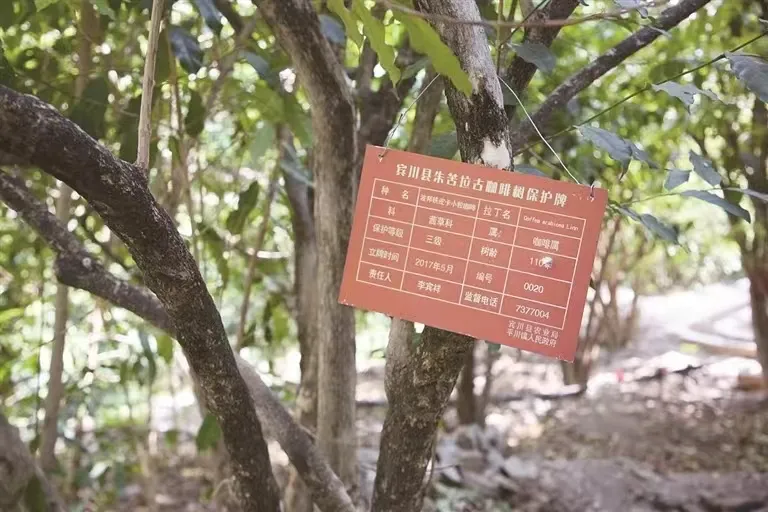
In summary, from Zhukula Village in the late Qing Dynasty to today’s important global supply hub, the evolution of Yunnan small-grain coffee not only reflects the innovation of crop varieties but also witnesses the development journey of China’s coffee industry from nonexistence to establishment. Understanding this history will help you better appreciate the stories and characteristics behind each coffee when selecting and tasting.

The above content is compiled by CoffeeHunters, a coffee news website.


