







Introduction:Nanjing’s 1912 District has seen a shift in its commercial landmarks, with the Starbucks Reserve store that had been in business for twenty years and Tea’s Stone, which opened last year, both closing down in succession. This wave of change has sparked discussions on the development bottlenecks of old commercial districts. From its Republican-era architectural design to practical details such as parking facilities, this article takes you through the urban coffee history of the area and analyzes the consumption trends amid the transition between old and new commercial districts.
Recent news has emerged about changes to commercial landmarks in Nanjing’s historic 1912 District, with the long-operating Starbucks Reserve flagship store, which had been in business for twenty years, officially closing, and the neighboring tea brand Tea’s Stone also withdrawing after its lease expired. The successive closures of these two well-known beverage shops, located side by side, not only disappointed regular customers but also prompted deeper discussions on the current state of the established commercial district.
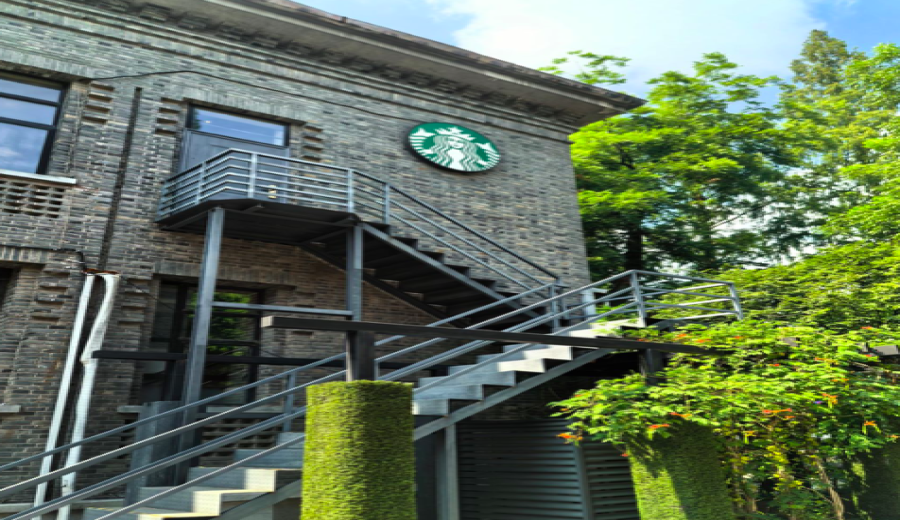
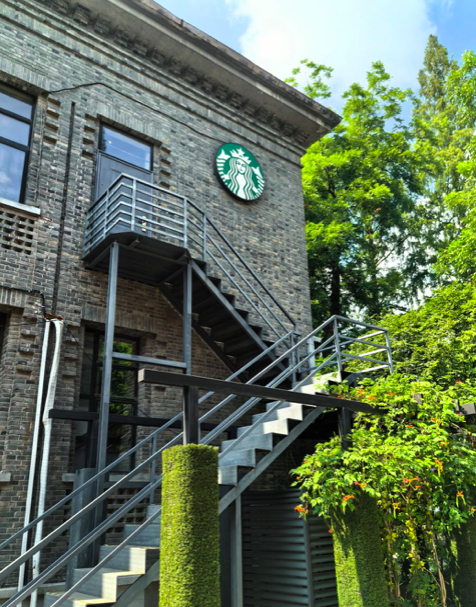
As the first Starbucks Reserve concept store in Nanjing, this outlet has attracted attention since its opening in 2003 with its unique positioning. Located in the core area of the 1912 District, adjacent to the Presidential Palace, its architecture was deliberately designed to incorporate elements of the Republican era.The interior space, featuring high wooden beams and vintage brick walls,has long been consistently recommended in local travel guides and is hailed as one of the most photogenic Starbucks branches.
Observations on-site reveal that the store covers an area of approximately 180 square meters, utilizing a semi-open counter design, with the bar area equipped with two professional semi-automatic coffee machines. On a daily basis, it offers over 15 varieties of specialty coffee beans, including Colombia Huila and Ethiopia Yirgacheffe.More than 15 premium coffee bean options. During off-peak periods, it is common to see freelancers using the surrounding well-equipped green seating areas for mobile work, while weekends attract a large number of tourists visiting the Republican-era architecture.
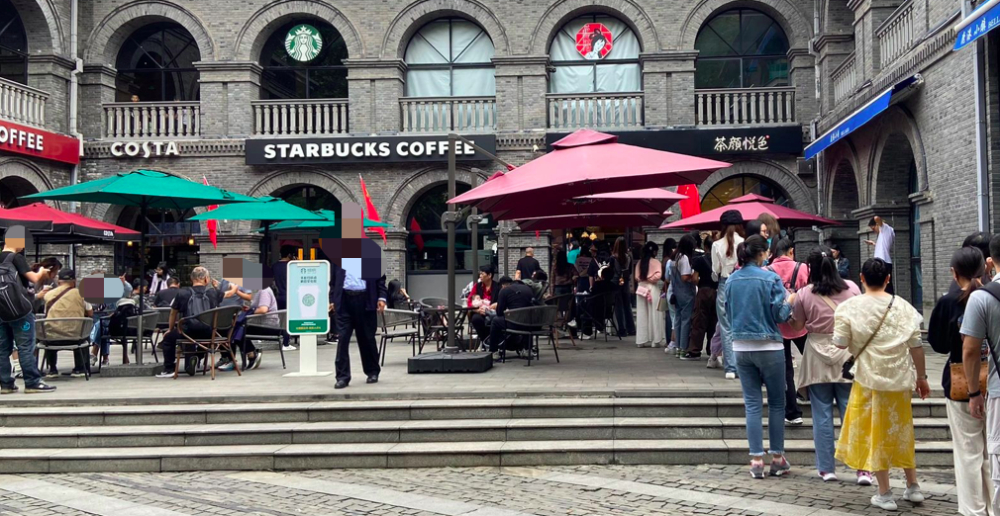
Notably, the district previously formed a unique co-opetition ecosystem—with the global chain coffee brand Costa on the left, and the emerging tea brand Tea’s Stone on the right, which joined in 2022. The latter set a record of selling over 300 cups in a single day upon opening, often with queues of more than 20 people forming out front, indirectly driving foot traffic to the entire street. However, this lively scene did not last long. According to insiders, Tea’s Stone chose not to renew its lease upon expiration.
Regarding the decision to close the Starbucks store, it mainly involves changes in the ownership structure of the district.The 1912 District falls under the protection scope of Nanjing Municipal Government’s historic building complex, and it is currently reported that an overall planning adjustment will be carried out, with most merchants having received notices of non-renewal of leases. On-site, several stores have already begun relocation operations, with some even launching early closure promotional deals.
The evolution of the commercial district reflects multiple real-world factors: compared to the comprehensive underground parking systems and 24-hour business support in newly developed areas, the 1912 District still retains the layout of a traditional commercial zone,where finding a parking spot during weekend peak hours is a frequent challenge. In addition, emerging areas such as Jiangbei New Area and Hexi CBD, with their spacious shopping environments and diverse entertainment facilities, are gradually diverting younger consumer groups.
For long-term local residents, this change marks a turning point in the times. A veteran coffee enthusiast recalls that this Starbucks was the place where they first experienced light-roast coffee, and the patient service from the staff who explained the flavor profiles of different regions left a lasting impression. As urban renewal accelerates, how to strike a balance between preserving historical heritage and meeting modern commercial needs will be a key challenge for old commercial districts.
Industry observers note that similar cases are not uncommon in global historic and cultural districts, with the key lying in whether the transformation process can create new value propositions. If the area is planned to develop into a hub for cultural exhibitions or tourism services in the future, it may integrate new business formats by leveraging its existing architectural features, allowing the city’s memory to continue in different forms.
The above content is compiled by CoffeeHunters, a coffee news website.


