







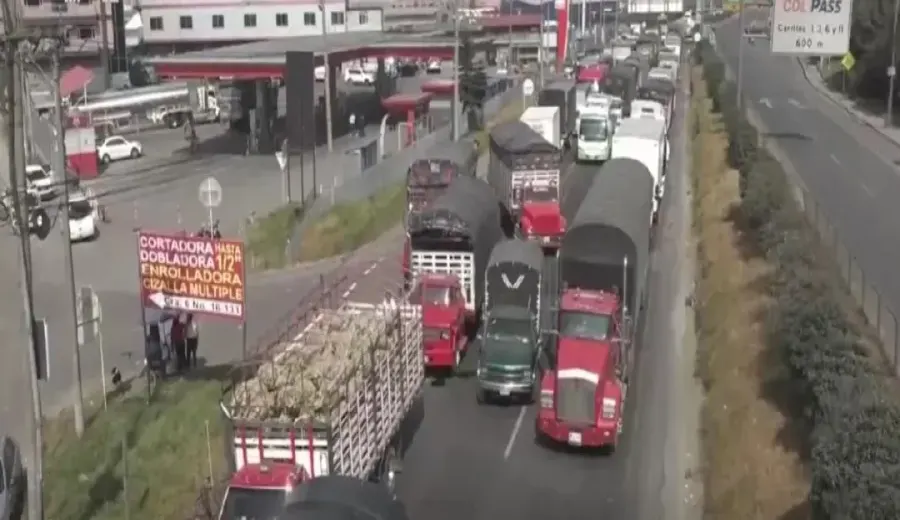
Introduction:Colombia has been experiencing large-scale protests by truck drivers blocking roads since early September, stemming from the government’s decision to raise diesel prices and gradually phase out fuel subsidies. This move has not only paralyzed over a hundred roadways nationwide, but also directly impacted the transportation of agricultural products such as coffee. This article delves into how rising diesel prices are driving up logistics costs, examines the current state of the coffee supply chain, and reminds consumers to pay attention to potential future price fluctuations and origin-related risks.
The Colombian coffee industry is facing a new round of supply chain crisis. Since September 2nd, truck drivers across the country have taken to the streets to block roads in protest, with the focal point of their grievances being the government’s decision to gradually eliminate long-standing fuel subsidies and raise the price of diesel by a significant 1,904 pesos per gallon. This policy change immediately triggered a strong backlash from the logistics industry, throwing national transportation into chaos and significantly impacting the agricultural product market, which heavily relies on road transport.
The protests quickly escalated. According to local media reports, there are now136 road blockadesacross the country, hindering daily travel for nearly 1.6 million people and forcing schools in multiple regions to suspend classes. Of particular concern is the severe disruption of cargo movement around ports and airports, where perishable agricultural products such as fruits and coffee beans—highly sensitive to high temperatures—are among the most affected. The ongoing dry season’s high temperatures have accelerated the spoilage of these goods due to delayed transport.

Colombia’s Ministry of Mines and Energy (MEM) stated that the diesel price adjustment was necessary. The Minister pointed out that for many years, the government had continuously provided diesel subsidies, keeping Colombia’s diesel prices lower than those of most Latin American neighbors—even during the COVID-19 pandemic, no adjustments were made. In fact, it has been nearly five years since Colombia last adjusted diesel prices, so the official stance is that this increase is a reasonable and long-overdue policy correction.
However, the policy immediately sparked strong dissatisfaction among transport operators. Starting in the capital, Bogotá, truck drivers began setting up roadblocks and expanding the scale of the blockades, paralyzing the national transportation network. Although the government promised that the price hike would be implemented gradually over four months and expressed willingness to engage in dialogue, the Minister of Mines and Energy also admitted thatdiesel prices may continue to rise in the future, and could even be adjusted again in 2025—a statement that further inflamed the drivers’ discontent.
Faced with the escalating protests, the President of Colombia urgently convened a National Security Council meeting at the Nariño Palace. After the meeting, the Minister of the Interior issued a firm statement to the transporters’ unions, declaring that “the government’s concessions have reached their limit,” and urging protesters to maintain peaceful demonstrations without disrupting the normal operations of ordinary citizens and businesses. However, the government also warned that legal measures would be taken against the organizers of the roadblocks.
This logistics crisis has dealt a double blow to Colombia’s coffee industry. First, the sharp rise in transportation costs, coupled with a shortage of truck drivers, has significantly reduced the efficiency of transporting coffee beans from production areas to international markets.The recent severe wildfires in Cauca Provincehave further exacerbated the situation, destroying large areas of coffee and sugarcane fields and directly affecting production. These compounding factors have led to a continuous rise in the spot price of Colombian coffee, with the market expecting further increases in the future.
Industry experts point out that the Colombian coffee supply chain was already facing multiple challenges. In addition to current political and social factors, long-term climate change and inadequate agricultural infrastructure have also tested the resilience of the industry.Logistics disruptions not only affect export timelines, but may also lead to a decline in the quality of coffee beans during transit, ultimately impacting the brewing experience of end consumers. Consumers may soon face the dual challenge of higher prices and reduced flavor consistency.
The above content is compiled by CoffeeHunters, a coffee news website.


