








Introduction:Not sure how to express wanting a stronger espresso? The concentration of espresso is actually determined by multiple factors such as dose, grind size, and water temperature, while "adding a shot" is just one way to adjust it. This article delves into the core parameters that influence espresso strength, explains the actual meaning of the professional term "adding a shot," and offers correct phrasing tips when ordering. With real case examples, it helps you master the logic of concentration adjustment so you'll never be at a loss for words the next time you order.
In coffee shops, it's common for customers to want a bolder espresso but often use non-professional phrases like "pull a bit more" or "make my espresso stronger," overlooking the key option of "adding a shot." In fact, espresso concentration isn’t determined solely by extraction time or volume but is influenced by a combination of variables such as dose, liquid volume, grind fineness, water temperature, and pressure.
First, it’s important to understand the basic definition of espresso: typically made with about 7 to 9 grams of finely ground coffee, extracted under 9 bar pressure with 90–96°C hot water for 25 to 30 seconds, yielding about 25 to 30 milliliters (single shot) or a double volume of dark, concentrated coffee. Any slight adjustment in these variables directly affects the final flavor and concentration.

When a customer says "I want a stronger espresso," they might be looking to increase caffeine intake or seeking a heavier mouthfeel and layered taste. But simply asking for "a bit more extraction" may lead to over-extraction, resulting in burnt or bitter flavors. In this case, "adding a shot" is a more professional and effective solution—meaning an additional fully extracted shot of espresso is added to the original one.
The term "adding a shot" strictly refers to adding an extra standard shot of espresso (usually around 30 mL), not just extending extraction time or increasing dose. This ensures both balanced flavor and a stable boost in concentration. For instance, if you find your single shot too mild, you can opt for a "double shot" or clearly tell the barista, "Please add a shot for me," which means you want the amount of two standard shots.
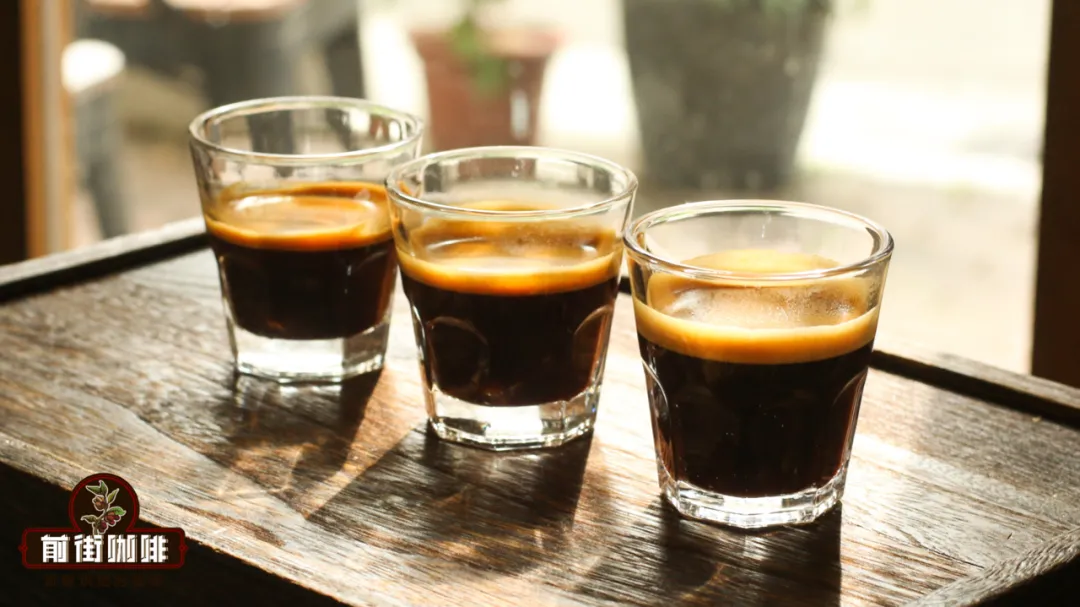
Besides "adding a shot," customers can also use more precise language when ordering, such as: "I’d like a double shot," "Please give me a stronger espresso," "Adjust the grind to be finer," or "Make the extraction time slightly longer." These expressions help the barista better understand your preferences compared to vague requests like "make it stronger," enabling adjustments that meet your expectations.
It’s worth noting that higher espresso concentration isn't always better. Excessively strong coffee can mask the fruit acidity, sweetness, and aromatic layers of the beans, making the overall flavor flat or even unpleasant. Therefore, professional baristas will adjust the coffee-to-water ratio, grind size, and extraction parameters based on bean variety, roast level, and individual taste—rather than blindly pursuing "more strength."
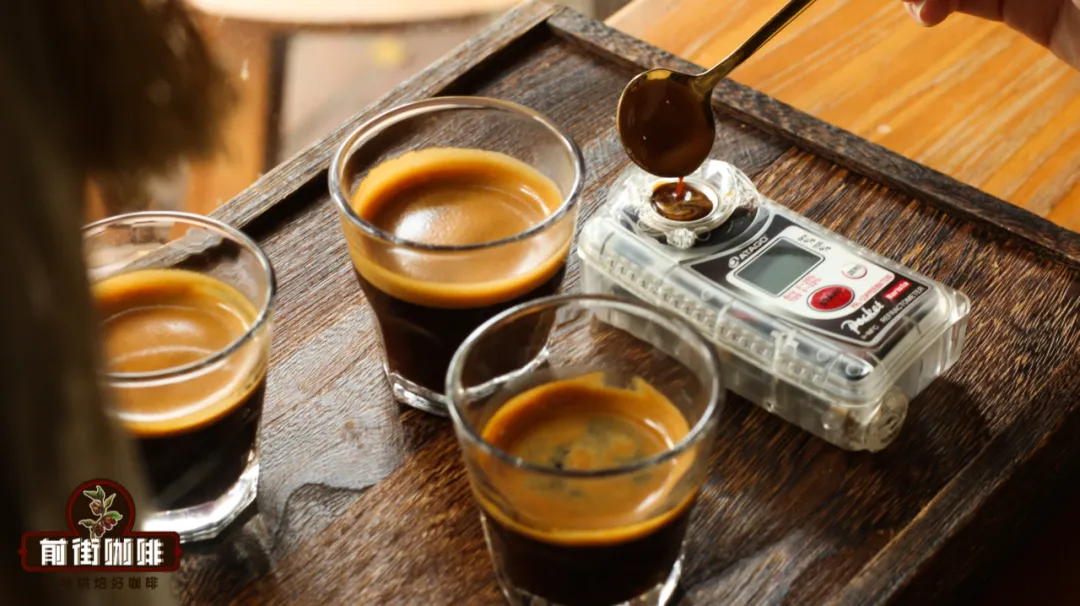
If you'd like to experiment with adjusting espresso strength at home, you can start with the following key parameters: first, the dose—typically 7 to 9 grams for a single shot, and 14 to 18 grams for a double; second, grind size—a finer grind increases surface contact, boosting concentration but be cautious of channeling; water temperature should stay within 90–96°C, as too high leads to burnt bitterness, and too low results in under-extracted flavors; lastly, pressure—home machines usually can’t precisely control 9 bar, but maintaining stable output is sufficient.
Additionally, extraction time is also a crucial indicator. The ideal extraction time for a standard single shot is 25 to 30 seconds; if too short, it may under-extract and taste weak; if over 35 seconds, it risks over-extraction, producing unpleasant burnt or astringent notes. By fine-tuning these parameters, you can gradually discover your personal "ideal concentration."
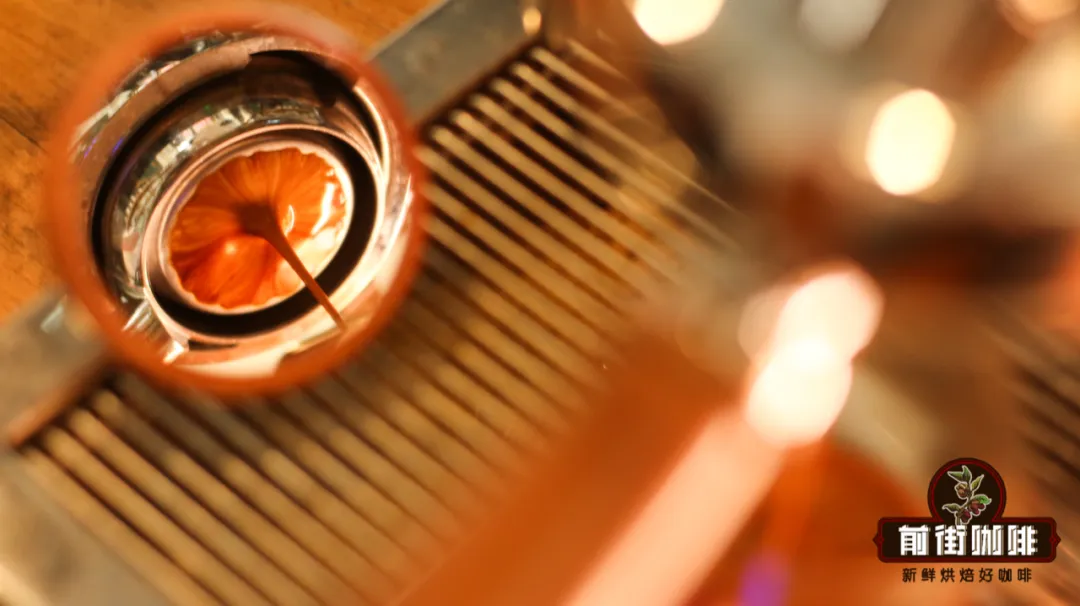
Back to the coffee shop ordering scenario, if you want a bolder espresso, it’s best to directly say "double shot," "add a shot," or "stronger espresso" instead of using vague terms like "make it stronger." This not only makes communication more efficient but also ensures the final coffee matches your expectations. If you have specific preferences for bean variety or roast level, feel free to mention them—for example, "I prefer espresso with more pronounced acidity" or "Please give me a double shot of dark roast." This helps the barista tailor the drink more accurately.
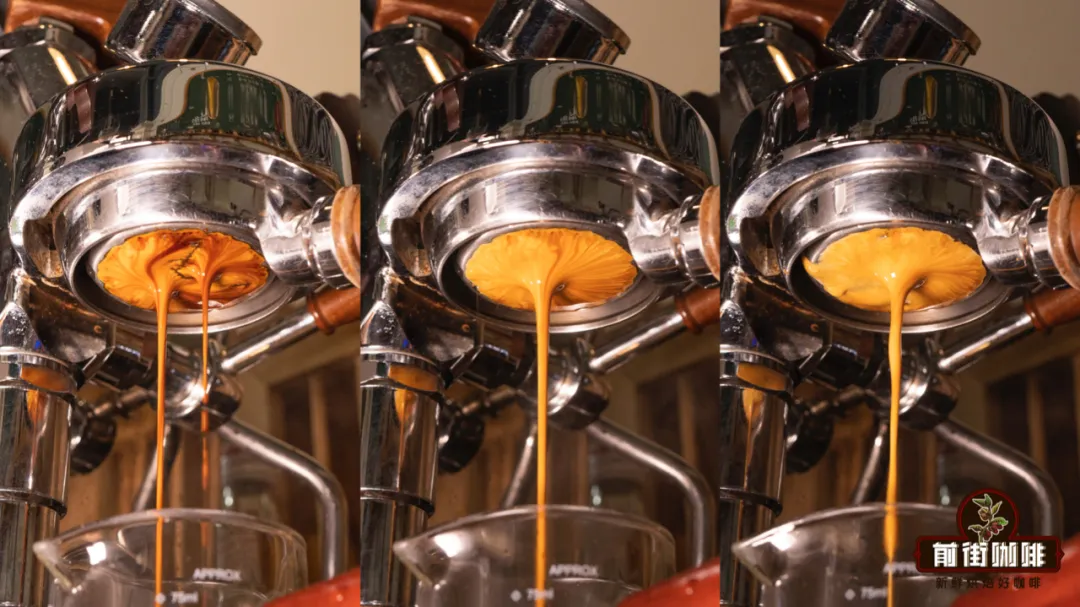
In summary, adjusting espresso concentration is an art that combines science and experience. From dose, grind size, and water temperature to pressure and extraction time, every factor influences the final flavor and intensity. And "adding a shot," as one of the adjustment methods, effectively boosts concentration while maintaining flavor balance. Next time you order espresso at a café, try using more professional language to express your needs, ensuring every cup perfectly suits your taste expectations.
The above content is compiled by CoffeeHunters, a coffee news website.


