







Introduction:The security situation in Ethiopia’s southern coffee-growing regions has recently deteriorated, with frequent armed clashes. Coupled with Red Sea shipping bottlenecks and geopolitical tensions, this major global coffee-exporting country is now facing the dual pressures of slowing exports and declining confidence among international buyers. This article provides an in-depth analysis of the current situation’s actual impact on the local coffee industry, along with detailed background on regional safety conditions and trade challenges.
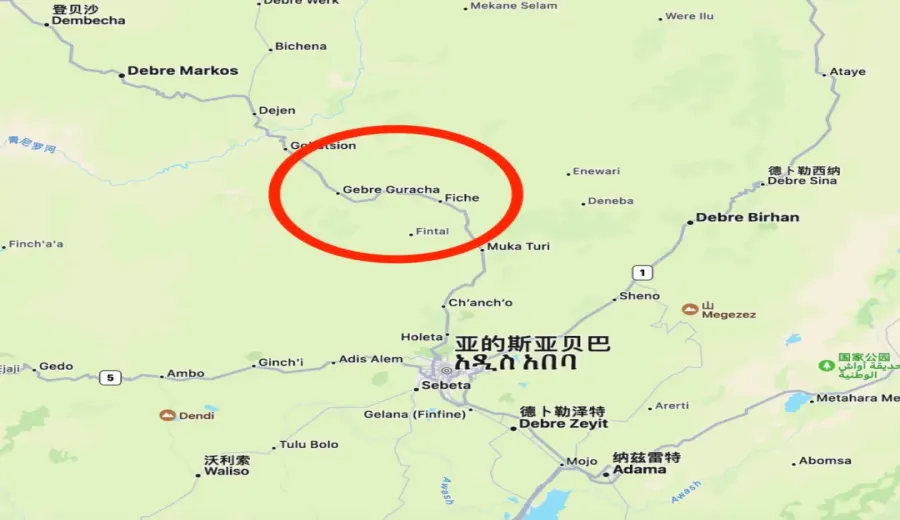
Gerbe Guracha town in Ethiopia’s Oromia Region has once again become the focus of violent incidents. Located approximately 155 kilometers from the capital Addis Ababa, a bus carrying 52 passengers was ambushed and hijacked by unidentified gunmen while passing through the area. Although most passengers managed to escape, eight people remain unaccounted for and are currently being held by armed militants.
This incident bears a striking resemblance to a mass abduction that occurred in the same area in July of this year. At that time, three passenger buses were seized, with over a hundred passengers—mainly university students—aboard. The kidnappers had demanded ransoms as high as 700,000 Ethiopian birr per person. The recurrence of such cases highlights the grim reality of the region’s ongoing deterioration in security.
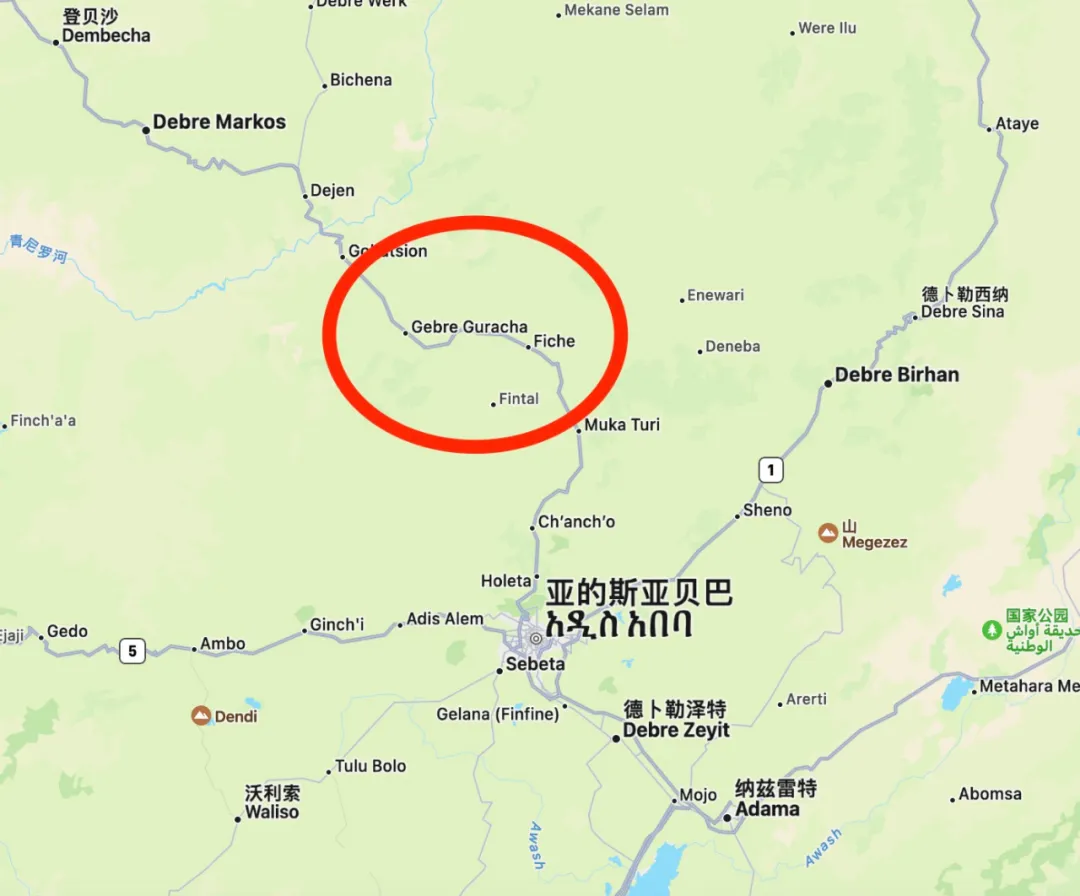
According to local media reports, the North Shewa administration of Oromia Region stated that security forces have launched rescue operations and successfully helped most passengers escape. However, the remaining eight hostages are still in danger. Reports suggest that the perpetrators may be hiding in a plantation near the town, and although their approximate location has been identified, rescue efforts continue to face significant challenges.
The Ethiopian government has accused the “Shane” unit of the Oromo Liberation Army (OLA) of orchestrating the abduction. This armed group has long been implicated in kidnapping, extortion, and violent attacks on civilians in Oromia. However, the OLA has firmly denied these claims, countering that the so-called “Shane” unit is a government-backed fake organization attempting to frame the armed group and create chaos.
In fact, kidnappings and armed conflicts are no longer isolated incidents in Ethiopia but have gradually evolved into persistent issues undermining social stability. Ethiopia’s Deputy Prime Minister once admitted in a public speech to private sector representatives that maintaining domestic peace remains difficult, partly because some commercial entities are suspected of supporting armed groups, further exacerbating the instability.
Meanwhile, officials from the Ethiopian Chambers of Commerce and Industry Associations point out that the real headache for the private sector is the continuously rising security risks. Armed conflicts have significantly impacted the local investment environment, business activities, tourism industry, and even the daily movement of ordinary citizens, casting a shadow over the overall social psyche.
It is worth noting that past armed conflicts were mostly concentrated in northern regions, having relatively limited impact on the predominantly southern coffee-growing areas. However, sporadic reports of armed clashes are now emerging from the southern coffee regions as well—a major warning sign for Ethiopia, a globally renowned coffee-exporting powerhouse.
In addition to internal security issues, Ethiopia also faces external geopolitical pressures. Tensions with neighboring Somalia over the status of Somaliland have escalated, heating up the overall situation in the Horn of Africa. Furthermore, the Red Sea shipping crisis remains unresolved, and Ethiopia’s lack of alternative seaports has hindered the export of various goods—including coffee—further slowing down trade momentum.
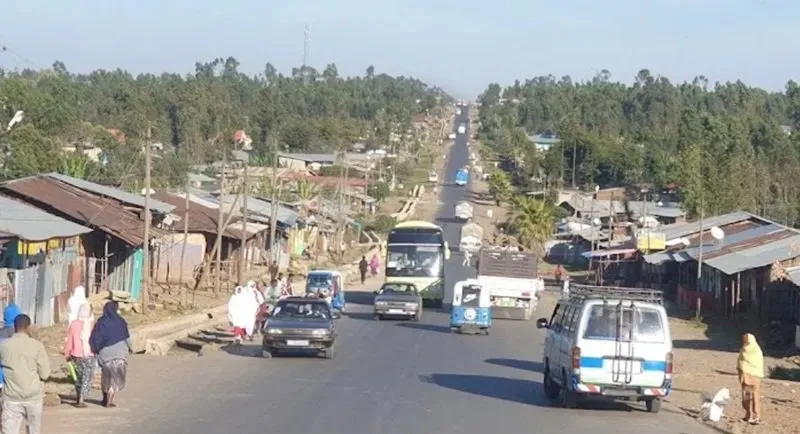
According to official statistics from the Ethiopian Coffee and Tea Authority, the country’s total coffee exports between May 2023 and May 2024 amounted to 209,000 metric tons, marking a clear decline compared to the 290,000 metric tons during the same period last year. Industry analysts point out that international buyers, concerned about regional security and export instability, have reduced their coffee imports from Ethiopia, weakening the country’s competitiveness and influence in the global market.
Overall, Ethiopia’s coffee industry is at a critical juncture, facing both internal and external challenges. From regional security and international trade to shipping bottlenecks, a complex web of issues means that this country—long known as the “cradle of coffee”—must strike a balance between stabilizing the situation and boosting exports in order to maintain its pivotal role in the global coffee supply chain.
The above content is compiled by CoffeeHunters, a coffee news website.


