







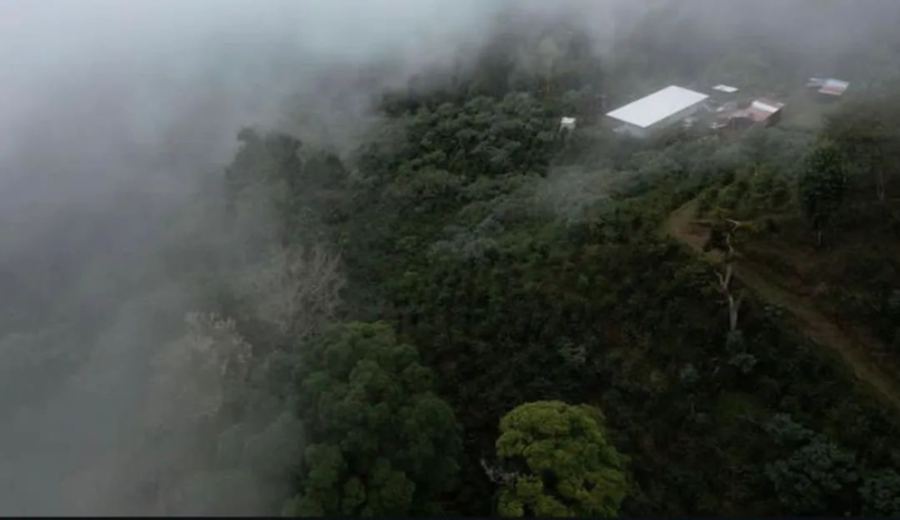
Introduction:Venture deep into Panama’s Boquete region to uncover the history and terroir of the nearly century-old Donkey Estate. Discover how its exceptional microclimate and volcanic soils nurture the uniquely flavored Geisha coffee, and experience its sun-dried processing through sensory tasting — where green grape, apricot, and floral notes intertwine in captivating layers. This journey takes you from cultivation to flavor, offering a comprehensive understanding of this specialty coffee.
Within Panama’s world-renowned Boquete coffee region lies a historic estate on the verge of a centennial milestone — the Donkey Estate (Hacienda La Esmeralda). Established in 1925 by French immigrant Mr. Aristides Boutet, who purchased the land for livestock farming (hence the name "Donkey"), this estate is now owned by the Lamastus family. Sharing roots with another celebrated estate, Elida Estate, it is set to celebrate its 100th anniversary within the next six months.
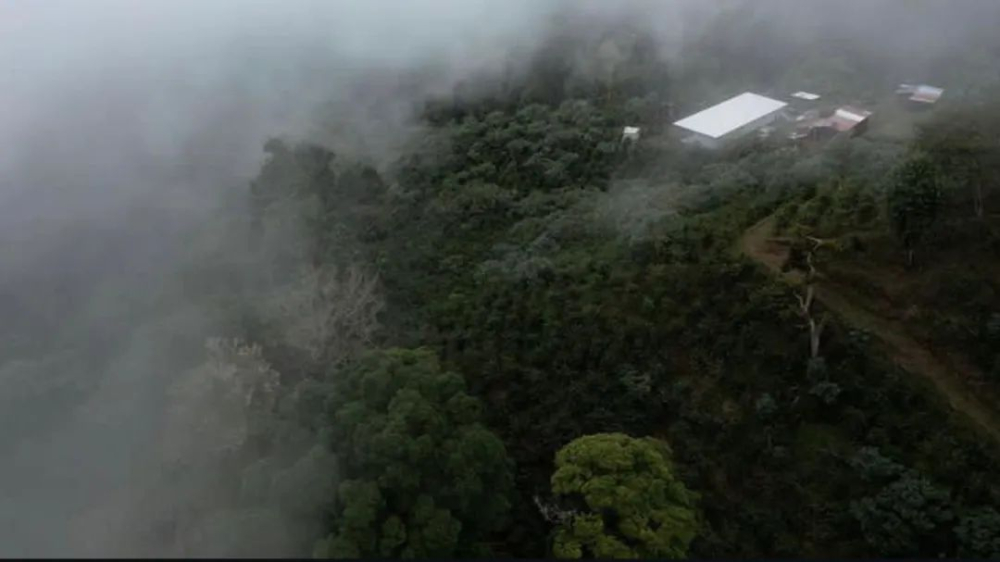
In 1925, Mr. Aristides Boutet acquired a former pastureland in Panama’s Boquete region, embarking on his coffee-growing journey and officially beginning the story of the Donkey Estate. This estate not only bears witness to a generation’s perseverance and transformation but is also on track to become the second centennial farm under the Lamastus family. Through industry connections, we gained an in-depth look at the terroir behind this century-old estate and its pride — the sun-dried Geisha coffee.
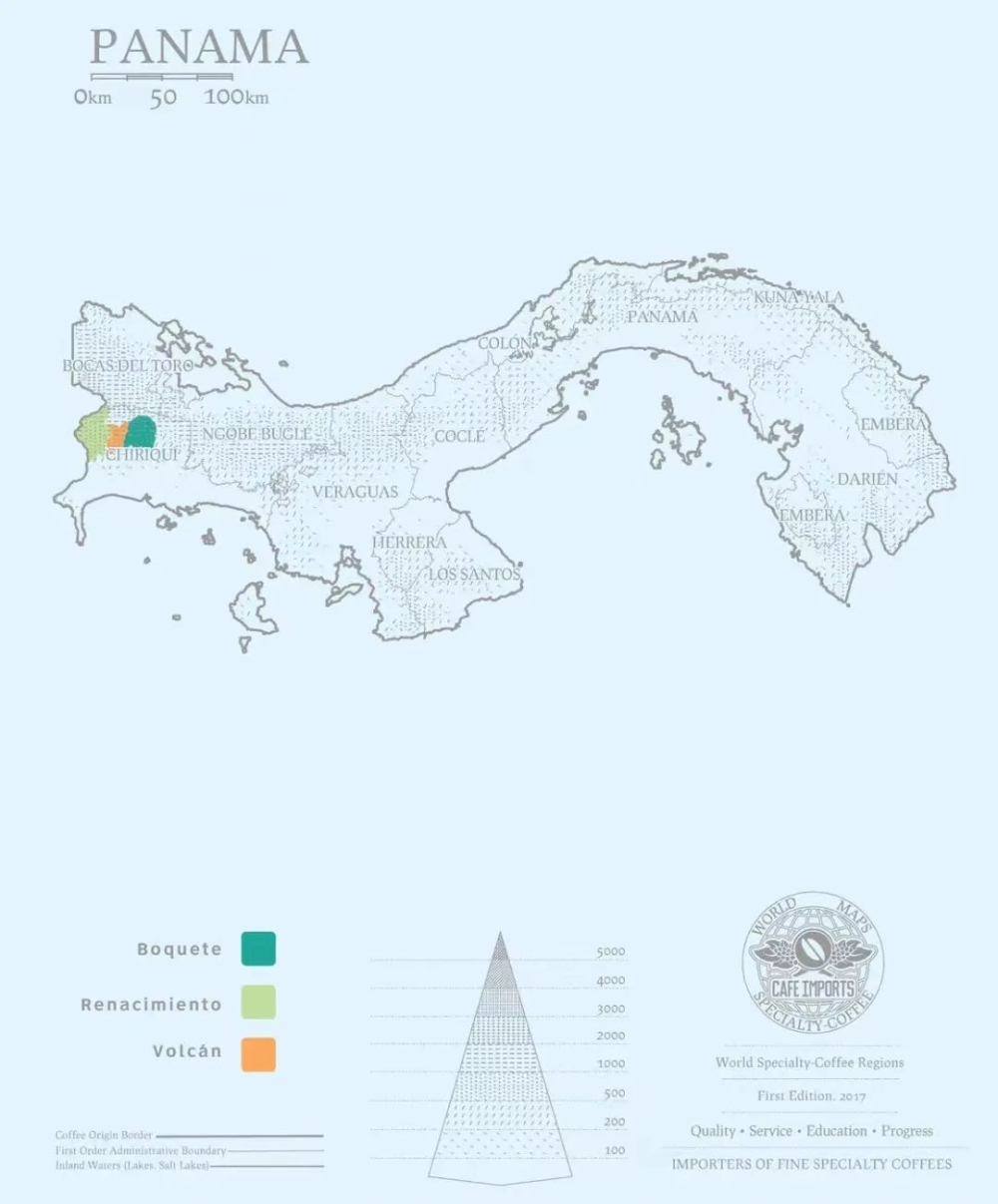
The Donkey Estate is located at the heart of Panama’s Boquete region, adjacent to the Volcán Barú. This area is a hub for many renowned Panamanian coffee estates, thanks not only to its prime location but also its distinctive microclimate. Geographically, Panama’s terrain generally follows an east-to-west S-shape. Each winter, two distinct air currents — a cold northern wind from Florida, USA, and a warm, moist airflow from the Pacific — converge at high altitudes in the central mountain range. This convergence brings frequent rainfall and variable winds, creating stable temperatures and moderate rainfall ideal for coffee growth. This is one of the reasons Panama is hailed as having "coffee paradise" conditions.
Beyond this unique microclimate, the Donkey Estate benefits from fertile volcanic soils due to its proximity to Volcán Barú. These soils are rich in organic matter and essential minerals such as potassium and phosphorus, which promote healthy coffee tree growth and contribute to the beans’ rich and complex flavor profiles — a cornerstone of the region’s consistently high international acclaim.
When discussing the Donkey Estate’s history, one must mention its founder, Mr. Aristides Boutet, who was not only the estate’s pioneer but also the grandfather of the current owner, Wilford Lamastus. This familial connection eventually led the estate to become part of the Lamastus family. However, during eras of coffee market oversupply and prolonged low prices, many estates faced operational hardships and changed hands — the Donkey Estate included. Thanks to Wilford and his brother Patrick Lamastus deciding to take over this family-connected estate, it was spared from falling into outside hands and has been nurtured to this day.
Currently, the Donkey Estate spans just under 50 hectares — slightly smaller than its neighboring Elida Estate. Around 20 hectares lie within Panama’s national park boundaries and are strictly protected from coffee cultivation. Of the remaining 30 hectares, 10 are designated as reserve planting areas, while the other 20 are dedicated to coffee growing, primarily featuring Geisha and Catuai varieties. Despite these favorable conditions, the Lamastus family initially had to take on side jobs to sustain the estate’s operations and livelihood. It wasn’t until 2015 that the Donkey Estate began gaining international recognition, winning multiple awards at the Best of Panama (BOP) competition — including first place in 2016 with a Geisha lot from the estate, selected by Japan’s Maruyama Coffee, which once again brought global specialty coffee attention to this century-old farm.
To better experience the Donkey Estate’s actual flavor profile, we selected a sun-dried Geisha coffee from the estate for tasting. Sun-dried processing involves drying the entire coffee fruit — pulp and all — typically over 2–4 weeks until the moisture content drops to a specific standard. The outer mucilage and parchment layers are then removed using a hulling machine to complete the green bean processing. This method preserves more sugars and flavor compounds from the fruit, resulting in richer fruity aromas and sweeter taste layers in the coffee beans.
This Geisha coffee from Panama’s Donkey Estate is grown at an elevation of1800 meters, classifying it as a high-altitude specialty coffee (grade SHB), with a cultivar ofGeisha, processed using thesun-dried method, and delivering an exceptionally impressive overall performance. For roasting, a medium-light level was chosen to fully highlight the delicate flavors of the sun-dried Geisha.
According to cupping records, this coffee exhibits highly enticing dry fragrance just eight hours post-roast, with intense orange and fresh floral notes. Upon cracking the crust, its bright acidity becomes clear — reminiscent of the round fruitiness of green grapes and apricots, paired with the high sweetness of oranges and dried longans. The flavor profile is well-layered, accompanied by subtle floral notes and mild fermentation characteristics. As the temperature cools, the orange’s sweet-tart character becomes even more pronounced, leaving a lingering and memorable aftertaste. It’s an excellent specialty-grade Geisha, perfect for pour over appreciation.
The above content is compiled by CoffeeHunters, a coffee news website.


