







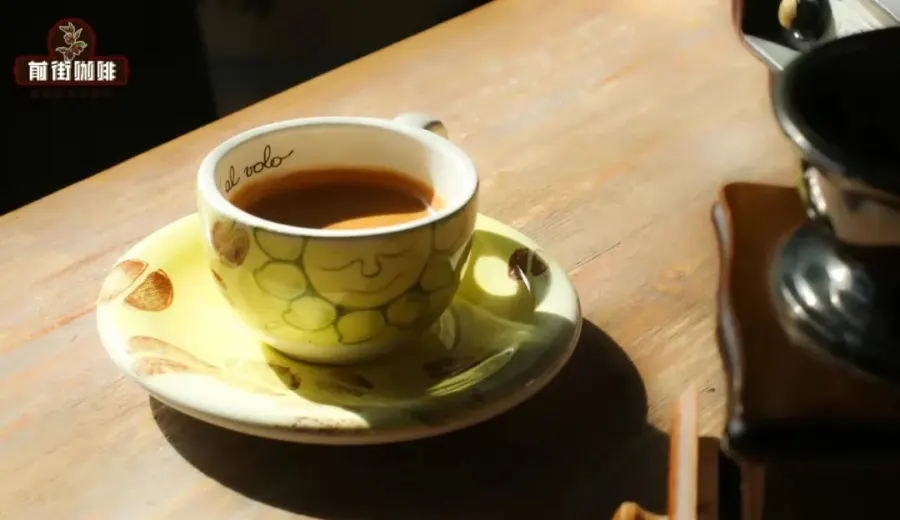
Introduction:Espresso, the soul of Italian coffee, often deters newcomers with its intense bitterness. This article delves into the origins of espresso, its traditional consumption methods, and modern tasting techniques. You’ll learn the correct coffee-to-water ratio and extraction parameters, and understand the historical context behind the "one-shot" tradition. From an everyday Italian pick-me-up to an essential part of specialty coffee today, master the layers of espresso and move beyond that first bitter impression.
Espresso is the cornerstone of Italian coffee. Many coffee lovers, upon their first encounter, are often put off by its strong bitterness. However, the issue often lies not with the coffee itself but with the way it’s tasted. This article explores the birth of espresso through a historical lens, how it became an indispensable "spiritual boost" in Italian life, and the connection between early dark roasts and the "one-shot" drinking method. We’ll guide you to enjoy espresso the right way and truly appreciate its nuanced flavors.
Many have seen coffee enthusiasts online take a shot of espresso, "slurp" it down in one go, and look utterly delighted. This scene often tempts beginners to try—but after their first attempt, they often can’t even manage a sip, relegating espresso to the "do-not-try" list. This usually stems from unfamiliarity with the proper tasting technique, leading to only the surface bitterness being tasted, missing out on the deeper flavors. Next, we’ll explain how to correctly enjoy espresso, helping you go from novice to true appreciation.
The birth of espresso can be traced back to 19th-century Italy. At the time, Angelo Moriondo invented the first-generation Italian coffee machine. After continuous improvements, a model using pressure for rapid extraction was eventually developed, giving rise to the espresso we know today. This high-pressure-extracted espresso is not only fast to make but also much more concentrated than traditional drip coffee, hence named "Espresso," meaning "fast" or "coffee extracted under pressure."
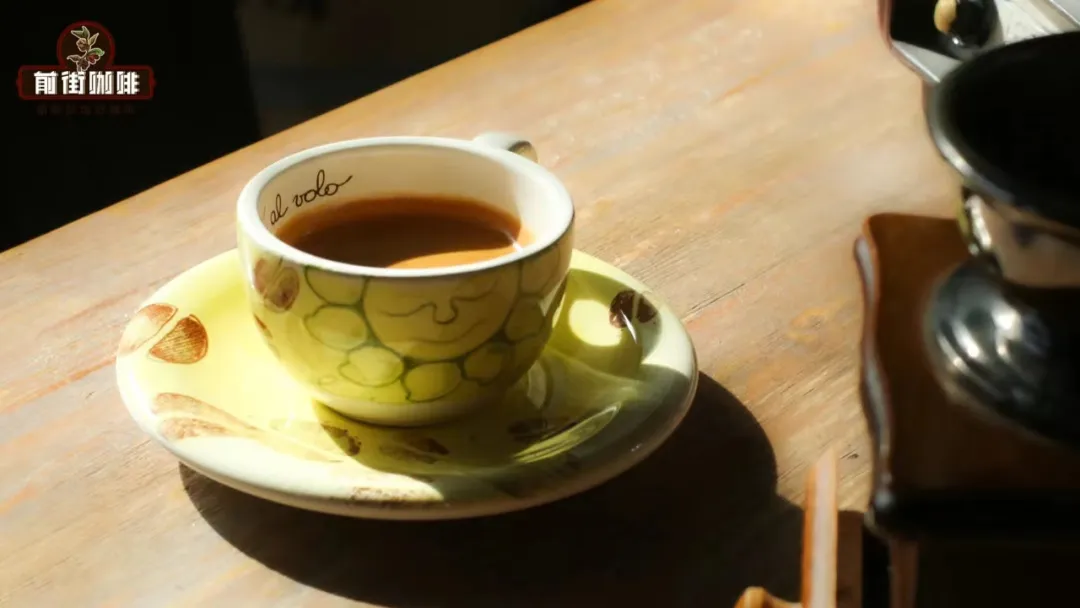
For Italians, espresso is more than just a beverage—it’s a daily spiritual pillar. Due to its quick preparation and high caffeine content, a shot of espresso can swiftly refresh the mind, making it ideal for a quick energy boost during work breaks. This "instant pick-me-up" quality has made espresso a trusted companion for Italians at work. Many are accustomed to taking a moment amid their busy schedules, quickly sipping one, then returning to their tasks.
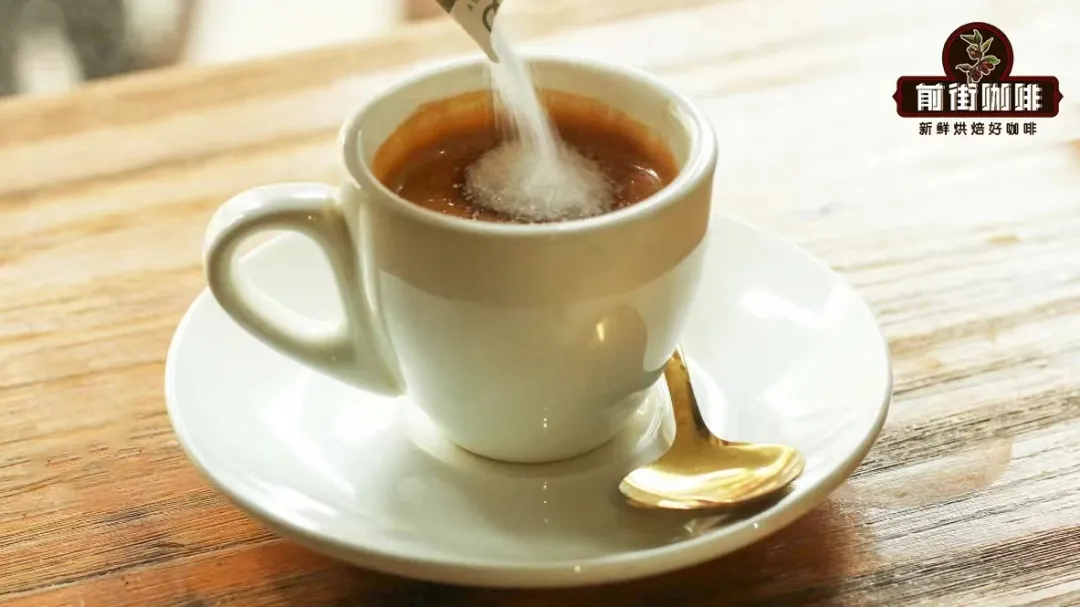
It’s worth noting that early coffee beans were generally of poor quality, and roasting techniques were not yet refined, so dark roasting was commonly used. While this roasting method could mask the beans’ inherent flaws, it also resulted in espresso full of burnt bitterness, with almost no distinct flavor layers. As a result, the "one-shot" drinking method emerged—drinking it quickly reduced the attack of bitterness, and some even added sugar or flavorings to balance the taste. This drinking style reflected people’s primary need at the time: quick caffeine intake, not flavor appreciation.

Over time, coffee bean roasting and processing techniques have continuously advanced, and modern espresso can now showcase a richer array of flavor characteristics. Yet many beginners still stick to the traditional "one-shot" method, preventing them from experiencing the subtleties of modern espresso. In truth, the correct tasting approach lets you perceive the sweet-acid balance, creamy texture, and even the delicate aromas in the aftertaste.

When extracting espresso, the coffee-to-water ratio is a key parameter. It’s generally recommended to use **a 1:2 to 1:2.5 ratio** (e.g., 18 grams of coffee grounds yielding 36 to 45 grams of espresso), which ensures the concentration and flavor balance of the espresso. Additionally, the extraction time is usually controlled within **25 to 30 seconds**—too long or too short will affect the taste. Mastering these basic parameters is the first step to enjoying high-quality espresso.
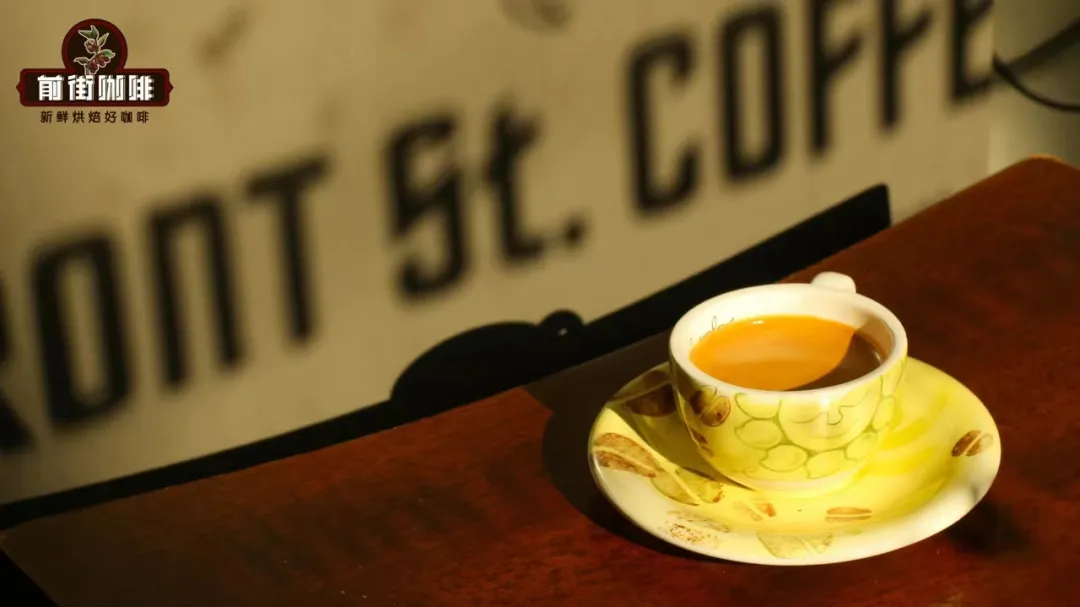
If you’re a beginner, it’s recommended to start with small sips, letting the coffee evenly touch your taste buds and gradually perceive its sweetness, acidity, and body. Pairing it with a nutty biscuit or chocolate can further highlight the flavor layers of the espresso. Remember, tasting espresso isn’t an endurance test—it’s a process of discovering details.
In summary, the evolution of espresso reflects the changing landscape of Italian coffee culture—from an early "functional pick-me-up" to today’s "flavor-driven specialty coffee," with tasting methods adjusting accordingly. By understanding the historical background, mastering extraction parameters, and adjusting drinking habits, you’ll truly appreciate the charm of espresso—not limited by bitterness, but enjoying its depth and layers.
The above content is compiled by CoffeeHunters, a coffee news website.


