







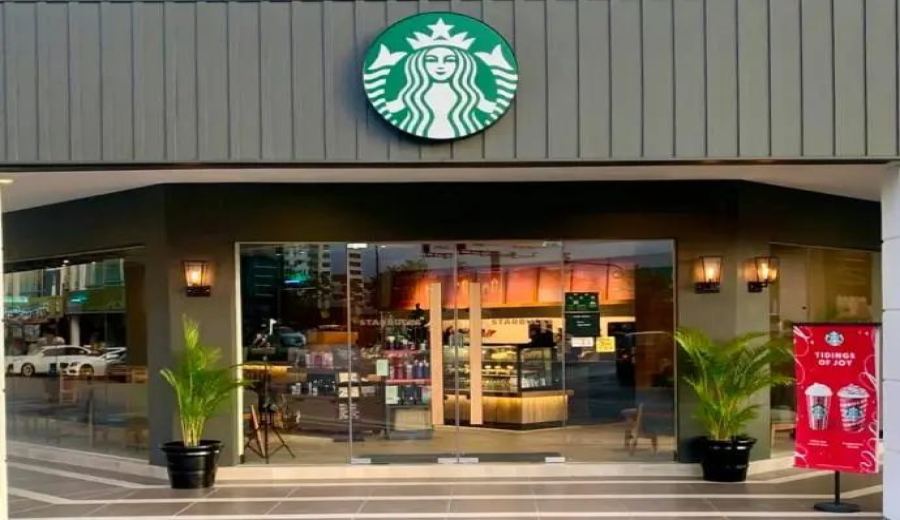
Introduction:Amid a global wave of brand boycotts triggered by the Israel-Gaza conflict, Malaysia’s Starbucks has taken a major hit due to its affiliation with its American headquarters. The latest financial reports show that the local franchisee suffered losses of up to 87.34 million Malaysian Ringgit (approximately 143 million RMB) in just six months, with both employee livelihoods and stock prices taking a blow. This article delves into the actual impact of the boycott, the crisis response strategies employed by the franchisee, and the sensitivity of Muslim markets toward coffee brands.
Since the escalation of the Israel-Gaza conflict in 2023, multiple American chain brands—perceived as indirectly supporting Israeli military actions—have faced large-scale boycotts in the Middle East and regions with dense Muslim populations. Among them, Starbucks became one of the primary targets of consumer boycotts in Malaysia, largely due to the association between its brand image and Western political stances.
As a country where Muslims make up over 60% of the population, Malaysians are particularly sensitive to brands involved in issues related to Israel. Shortly after the conflict broke out, foot traffic at Starbucks stores plummeted by around 40%, directly impacting the financial performance of the franchisee, “Success Food.” The company’s latest mid-year financial report revealed that the Starbucks business unit alone incurred losses amounting to87.34 million Malaysian Ringgit (approximately 143 million RMB), with its stock price also experiencing a double-digit decline.
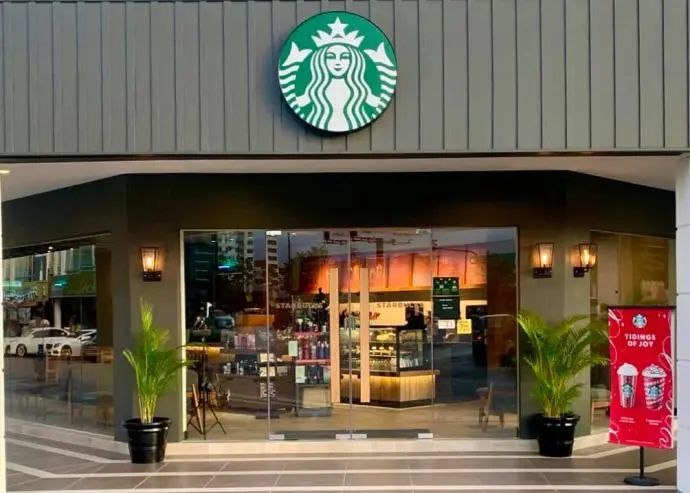
Faced with ongoing boycott pressure, Success Food has repeatedly issued public clarifications, emphasizing that Starbucks in Malaysia is an independently operated system fully owned by a locally listed company. According to their statement, the 400 Starbucks outlets across Malaysia currently employover 5,000 staff members, nearly all of whom are local citizens, including a certain proportion of people with disabilities, and the Muslim employee ratio is as high as 85%. The founder of the Success Group further pointed out that this franchise model is entirely led by Malaysian capital and has never received any funding or decision-making involvement from the American headquarters.
However, these explanations have failed to effectively calm consumer sentiment. Many local customers insist that the boycott is an indirect protest against U.S. support for Israeli policies, and even though most store employees are Muslim, it does not change the fundamental issue of the brand’s origins. Some consumers have shifted their support to local coffee brands such as OldTown White Coffee or Kopi Kenangan, further exacerbating Starbucks’ loss of market share.
Industry analysts point out that prolonged boycotts may force the franchisee to take emergency measures such as layoffs or scaling down operations. Some store employees have revealed to the media that their workload has noticeably increased recently while their income has been affected, and they are also under psychological stress due to customers’ cold attitudes. In addition, the boycott wave has also dealt a blow to the overall investor confidence in Success Food, further impacting its financing and expansion plans.
Notably, Starbucks in Malaysia maintains standardized processes with its American headquarters at the operational level, including coffee bean procurement, roasting techniques, and service training. However, it is unclear whether the recipes and ingredient supply chains involve Israel or other contested regions, as this information has not been made public. Consumers pay relatively little attention to these details, with the main motivation for the boycott still focusing on the brand’s political image rather than its actual product supply chain.
The founder of Success Food has called on the public to view the actual local operational status of Starbucks rationally and to recognize its role as a significant contributor to the local job market. He emphasized that if the boycott continues to escalate, it will ultimately harm local Malaysian employees and the business ecosystem. Some observers believe that this incident highlights the high sensitivity of Muslim markets to the political stances of brands, and that international chain enterprises entering such markets in the future need to handle public relations strategies and localized branding with greater caution.
The above content is compiled by CoffeeHunters, a coffee news website.


