







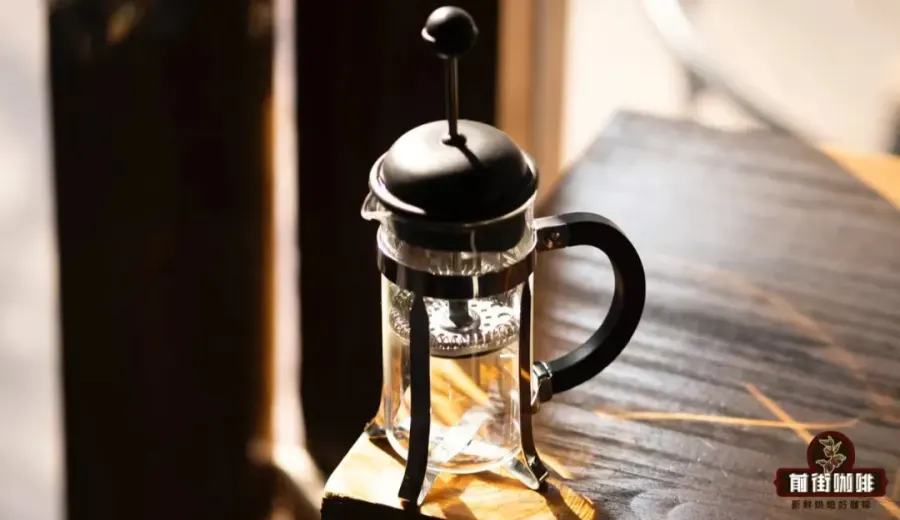
Introduction:As one of the most accessible coffee brewing tools, the French press can also produce a layered extraction akin to pour over when you master its key parameters. This article uses Ethiopia Gesha Village Red Label medium-light roasted beans as an example, putting James Hoffmann’s recommended 9-minute immersion method to the test. We break down the core settings—such as the 1:16 coffee-to-water ratio and Ek43 grinder at 10.5 grind setting—and analyze the flavor differences between the French press and pour over, providing beginner-friendly operation details.
Since its debut in the mid-19th century, the French press has long been a top choice for coffee beginners thanks to its simple immersion brewing mechanism. But making a well-balanced cup of coffee with this metal-filtered device involves hidden know-how—from coffee-to-water ratio to pressing timing. Renowned coffee writer James Hoffmann once shared a French press workflow in a video that earned recognition from many roasters, claiming its flavor profile could rival that of pour over. For this test, we used Ethiopia Gesha Village Red Label medium-light roasted beans, with 15 grams of coffee grounds and a golden 1:16 ratio, paired with the Ek43 grinder set to 10.5 (approximately sugar-like granularity at 70% sieve rate through a #20 mesh). After pouring in water at 100°C, we strictly followed a 9-minute steeping process, fully documenting everything from pouring to pressing, and analyzing the fundamental differences in extraction compared to pour over.
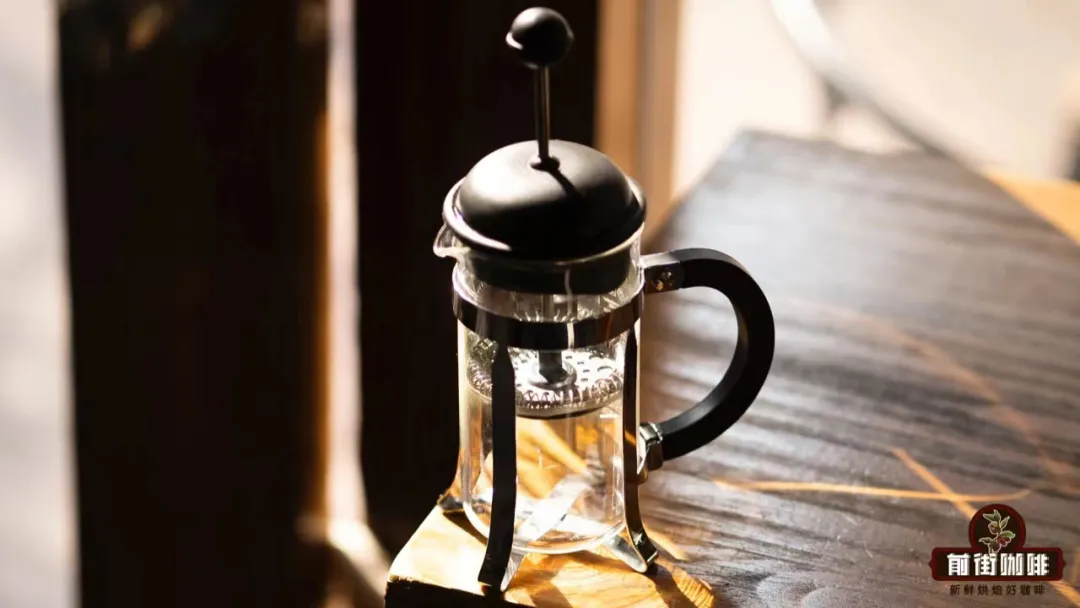
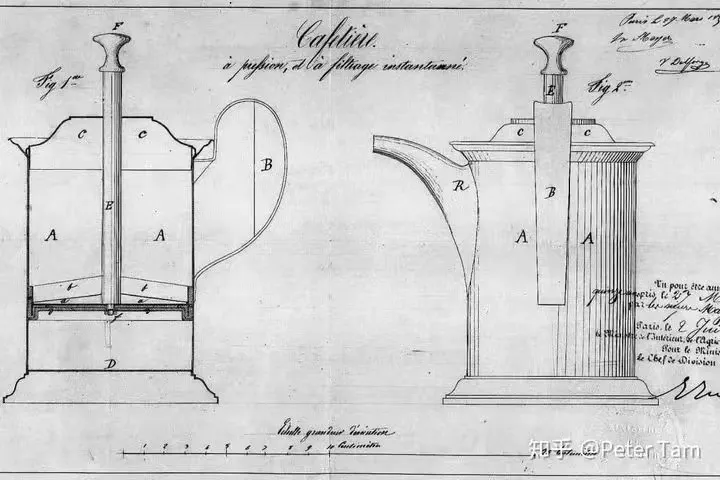
Tracing back to its origins, the prototype of the French press emerged in France in the 1850s, initially called the "piston-filtered coffee device." To gain market acceptance, inventors Mayer and Delforge later simplified and renamed it to what we now know as the French press. Early design drawings reveal that its basic structure is nearly identical to modern versions—comprising a heat-resistant glass (or metal) container with a plunger outfitted with a metal filter. However, the original version had a fatal flaw: the lack of balanced support when pressing down often caused the filter to shift, letting fine particles seep into the coffee, resulting in a mouthful of sludge. It wasn’t until the early 20th century, when Italian engineers introduced a spring-stabilized mechanism, that the stable version widely used today was developed.
Although the French press may seem easier to use than pour over, consistently brewing a cup with both bright acidity and a rich body still requires precise control over four key variables:Coffee-to-water ratio,Grind size,Water temperature, andSteeping time. The reason James Hoffmann’s 9-minute method has been so well received is that by extending the extraction period, it effectively reduces the risk of errors caused by any single parameter. For this test, we specifically selected the vibrant Ethiopia Gesha Village Red Label—beans grown at altitudes of 1900–2100 meters in Ethiopia, naturally rich in blueberry, citrus fruit aromas, and jasmine floral notes. A medium-light roast is ideal for showcasing its bright flavor profile.
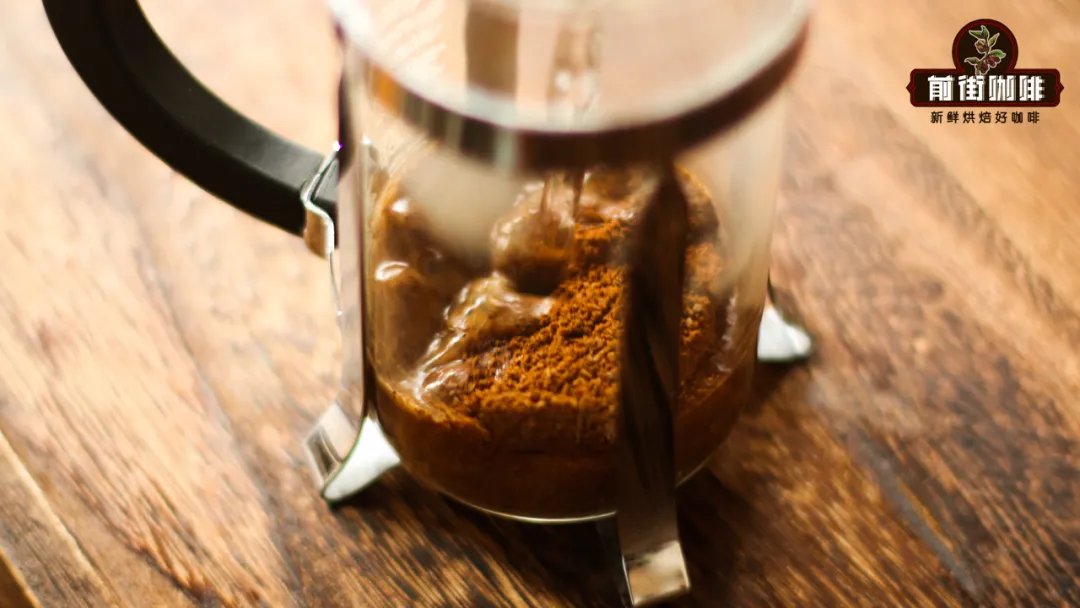
The actual test parameters are as follows: 15 grams of coffee grounds (adjust based on your French press capacity; generally, a 200ml press uses 12–18 grams), strictly maintaining a 1:16 ratio, i.e., a total of 240ml of water. The grind setting was Ek43 at 10.5—equivalent to about 70% sieve rate through a #20 mesh, yielding a particle size similar to superfine sugar. This ensures sufficient water flow while avoiding overly fast release of tannins. Use freshly boiled 100°C water for pouring. Start the timer immediately after the first pour. Allow the coffee grounds to fully bloom and expand during the first 4 minutes—gently stirring the surface during this stage can help ensure even extraction.
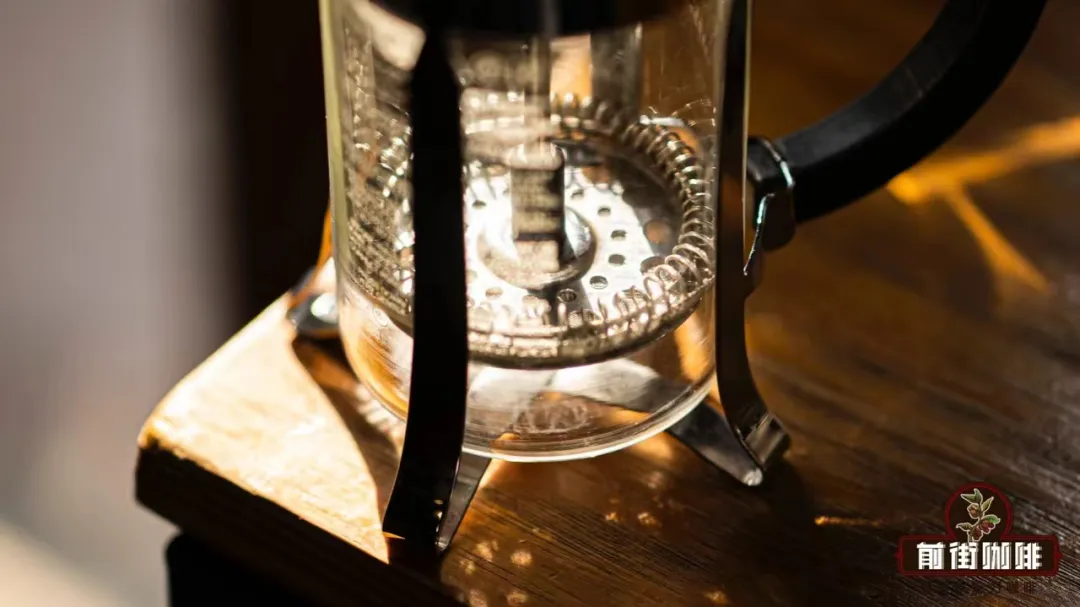

After 4 minutes of blooming, enter the main extraction phase. By this point, the coffee liquid will have taken on a slight amber hue, but don’t rush to press yet. The core of James Hoffmann’s method lies in allowing the coffee grounds to remain in prolonged contact with water, enabling flavor compounds to be slowly released. Continue steeping until the full 9 minutes have elapsed. At this point, the coffee liquid should appear deep amber with no visible suspended particles. Then, slowly and evenly press down the plunger—be sure to maintain a vertical pressing speed to avoid tilting the filter and causing fine particles to leak. Once done, it’s best to drink the coffee immediately; leaving it too long may lead to over-extraction and bitterness due to residual heat.
In terms of actual flavor performance, this method produced a Gesha Village Red Label with clear lemony acidity, honey sweetness, and a tea-like soft body. Compared to a pour over under the same conditions, the French press version delivered a fuller aftertaste and longer finish, though it was slightly less nuanced in aroma. Notably, the metal filter of the French press retains some coffee oils, which contribute to its rich mouthfeel but may also bring a heavier astringency to sensitive palates. For further refinement, try adjusting the grind to a finer setting (e.g., 8.5), shortening the steeping time to 8 minutes, or using a double-layer filter to reduce fine particle passage.
In summary, although the French press isn’t as versatile as pour over equipment, scientific parameter control—including precise coffee-to-water ratios, moderate grind sizes, and the crucial 9-minute steep—can definitely break the stereotype that it only brews strong, harsh coffee. For coffee lovers who value convenience without sacrificing flavor, this method, derived from James Hoffmann’s hands-on experience, is undoubtedly the best starting point for mastering refined French press brewing.
The above content is compiled by CoffeeHunters, a coffee news website.


