







Introduction:The extraction quality of pour over coffee is closely related to how well the filter paper adheres to the filter cone. If the filter paper does not fit tightly against the walls of the cone, not only will the design advantages of the cone not be fully utilized, but it may also affect the expression of the coffee's flavor. This article delves into the structural principles of filter cones, with a particular focus on popular models like the V60, explaining the correct method for folding and adhering the filter paper, along with practical operational tips to help you achieve a more stable extraction and your desired cup profile.
During the pour over brewing process, the degree of contact between the filter paper and the filter cone often plays a key role in the final extraction results. Many coffee enthusiasts may have had similar experiences: even when using a well-designed filter cone, if the filter paper doesn't fully adhere to the cone walls, the brewing performance can still be significantly compromised.
Take the V60 filter cone as an example. Its famous spiral ribs are designed to guide water more evenly through the coffee grounds, thereby improving extraction stability and flavor balance. However, once the filter paper fails to cling tightly to the inner wall of the cone, these carefully engineered ribs hardly function as intended — water tends to flow directly through the gaps between the paper and the cone, leading to uneven extraction.
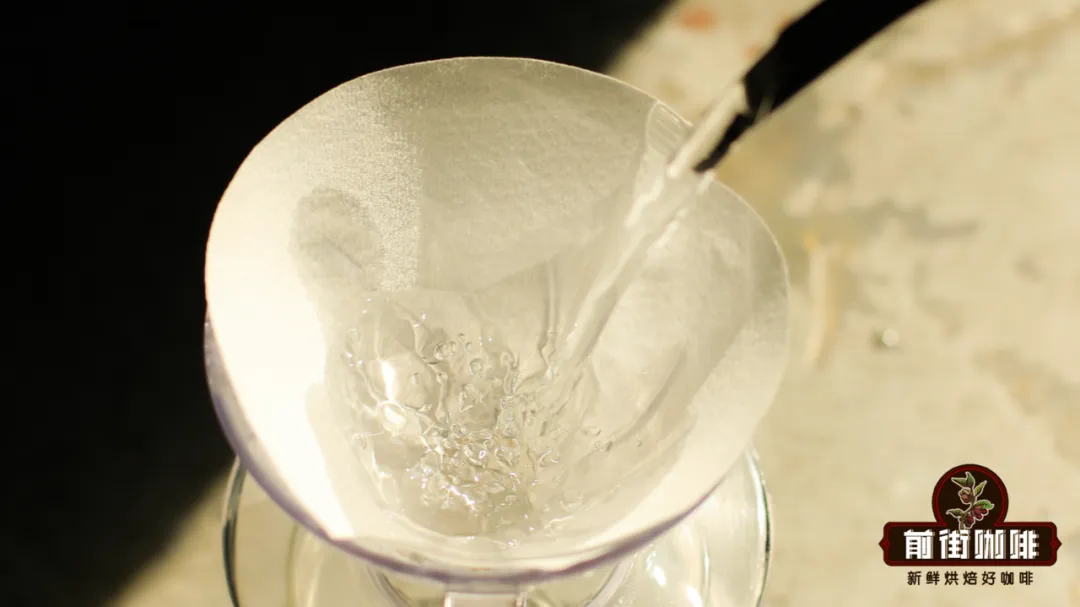
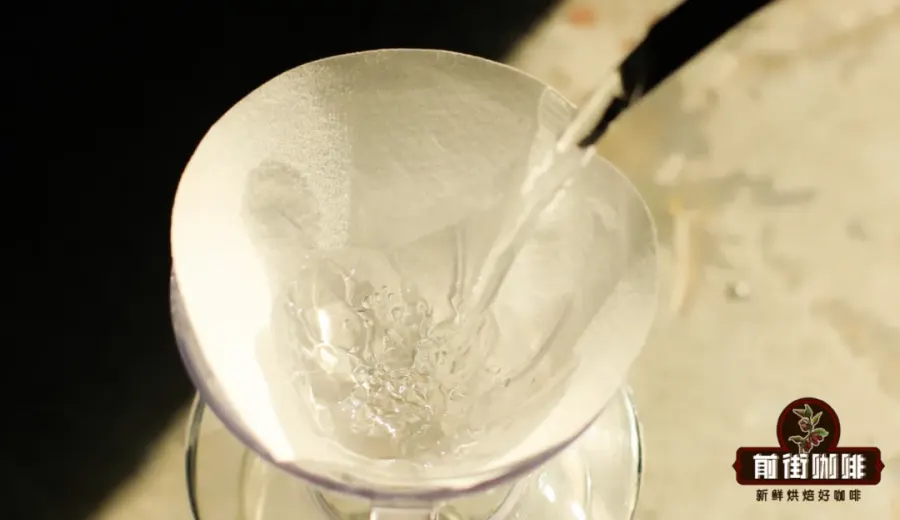
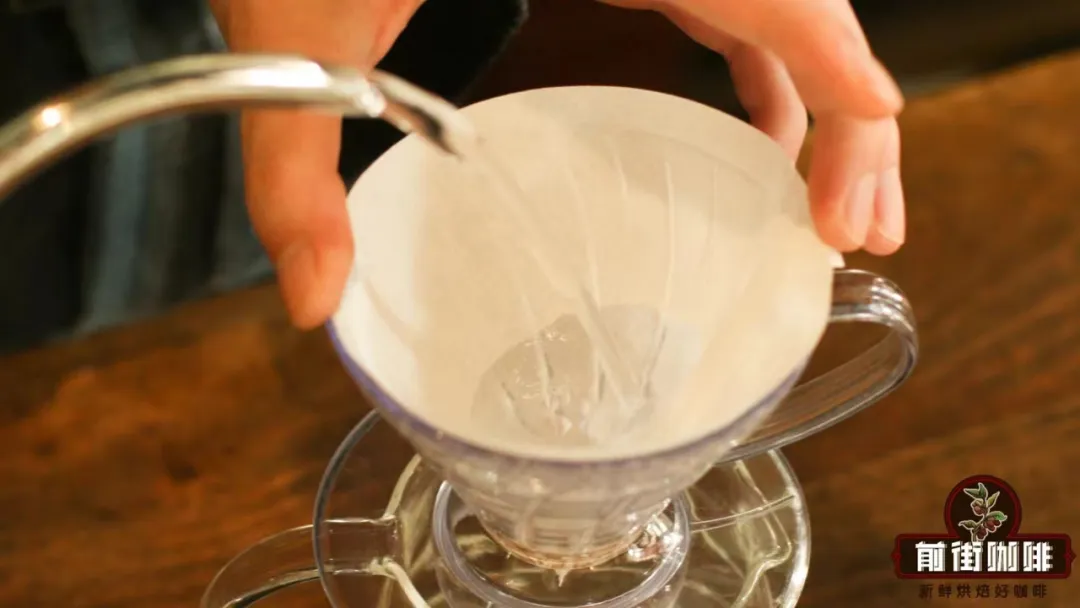
Therefore, before you start your actual pour over, the seemingly simple step of “wetting the filter paper” actually plays an extremely important role. Wetting the filter paper not only helps eliminate the papery taste or fine dust often present in new filters, but also uses the tension of water to allow the paper to naturally adhere to the inner wall of the cone, laying a solid foundation for the subsequent coffee extraction.
The structural design of the filter cone is one of the key factors affecting how well the filter paper adheres. Take the V60, a representative conical filter, for example — its interior usually features multiple ribs that guide water flow evenly across the coffee bed, reducing channeling effects. But if there are gaps between the filter paper and the cone walls, water tends to find the path of least resistance and rush through, causing some coffee grounds to be under-extracted and affecting overall flavor completeness.
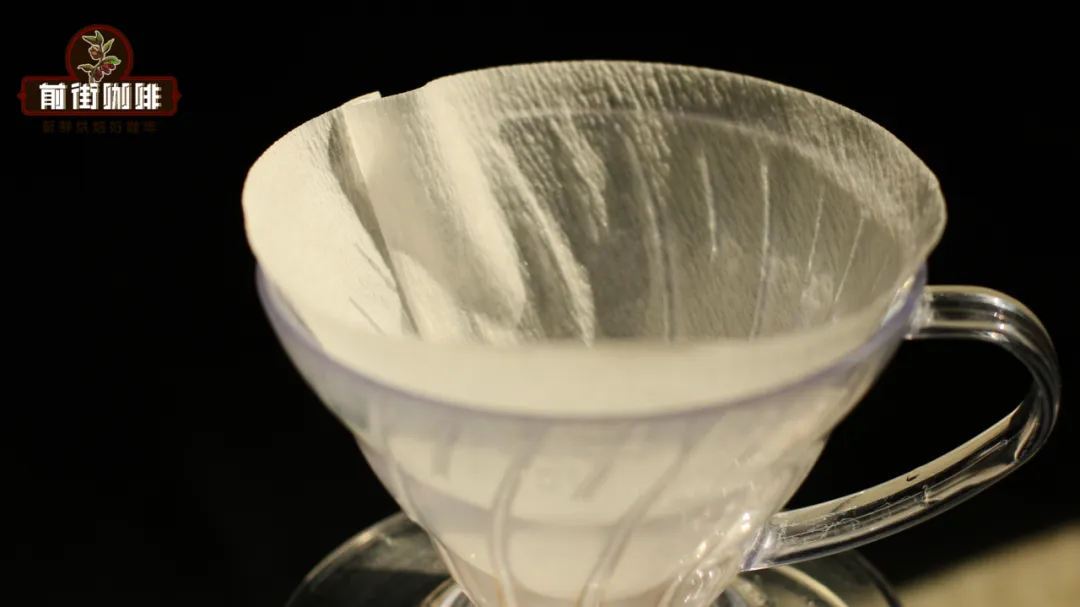
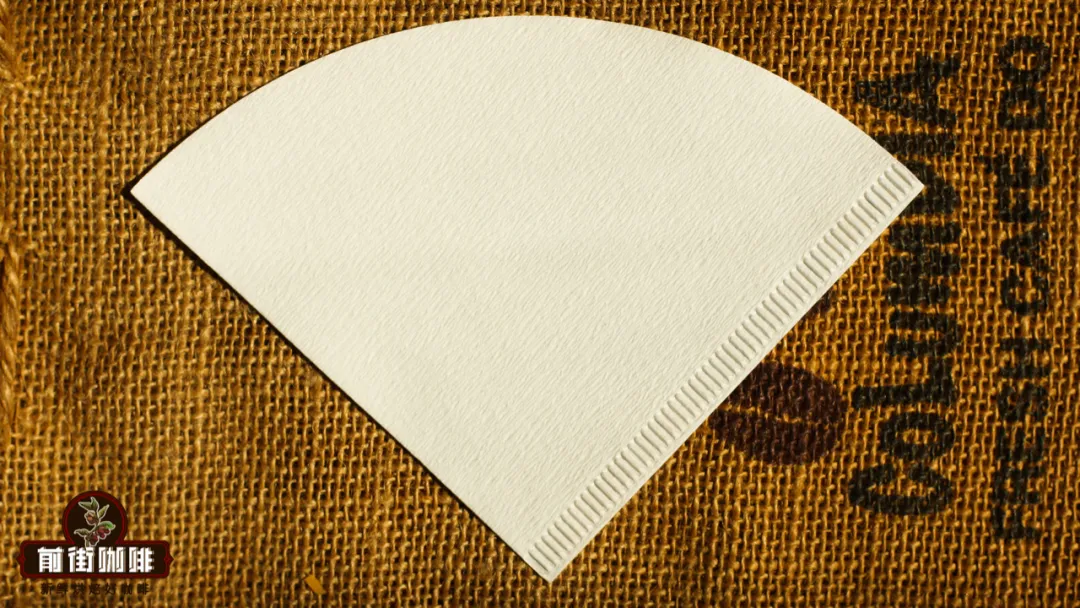
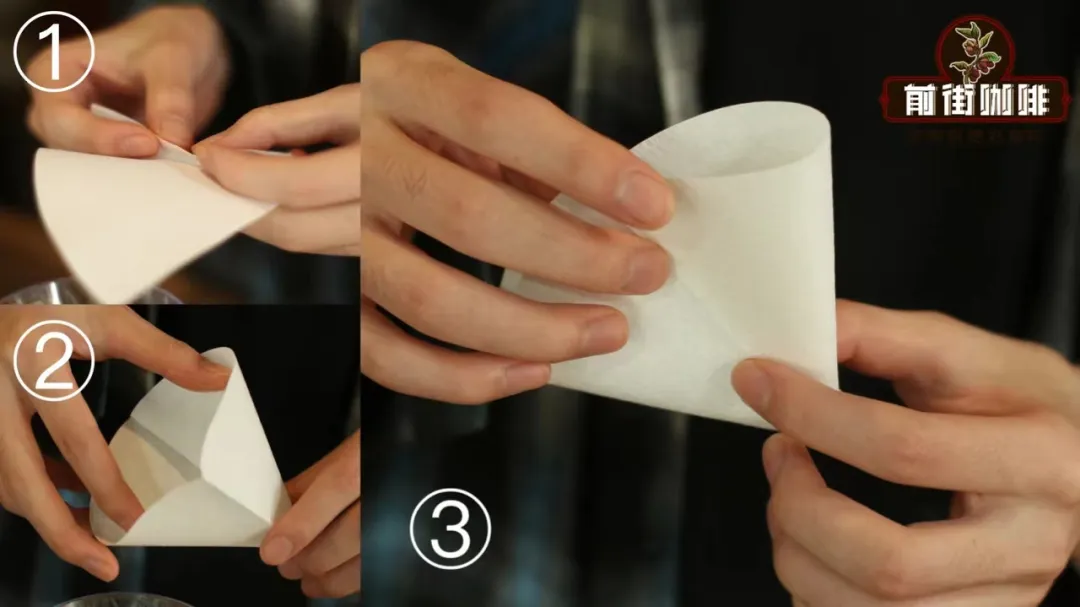
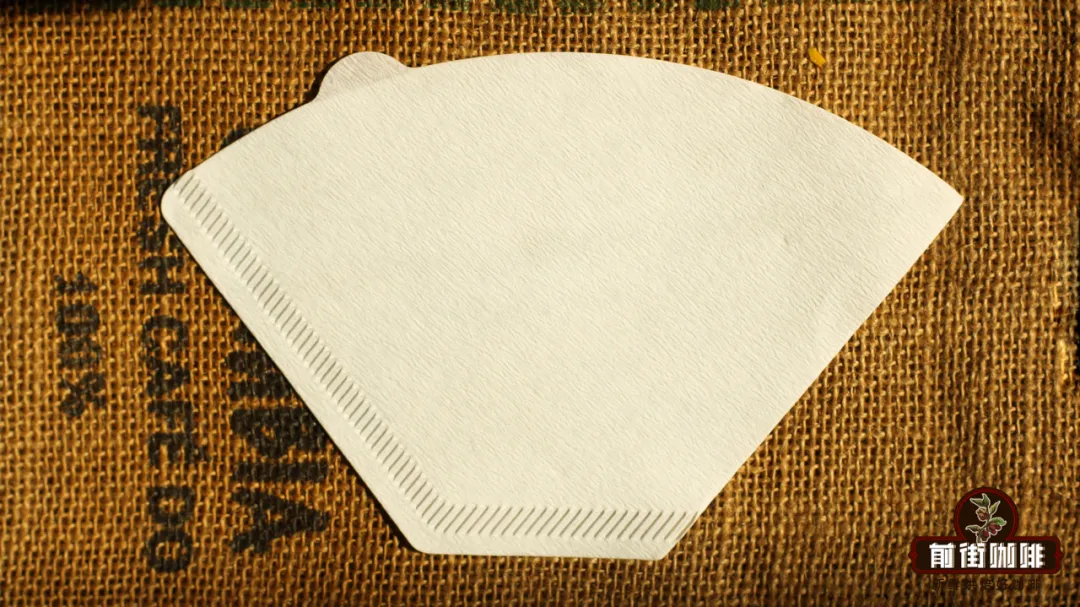
To achieve optimal contact between the filter paper and the cone, proper folding techniques are also crucial. Most commercially available round filter papers are funnel-shaped, but before placing them into the cone, it’s advisable to adjust the creases slightly according to the shape of your specific filter cone, so that the paper better matches the cone’s inner contours. A common approach is to fold the filter paper diagonally once, and then make a second fold if needed to adjust the opening size and curvature.
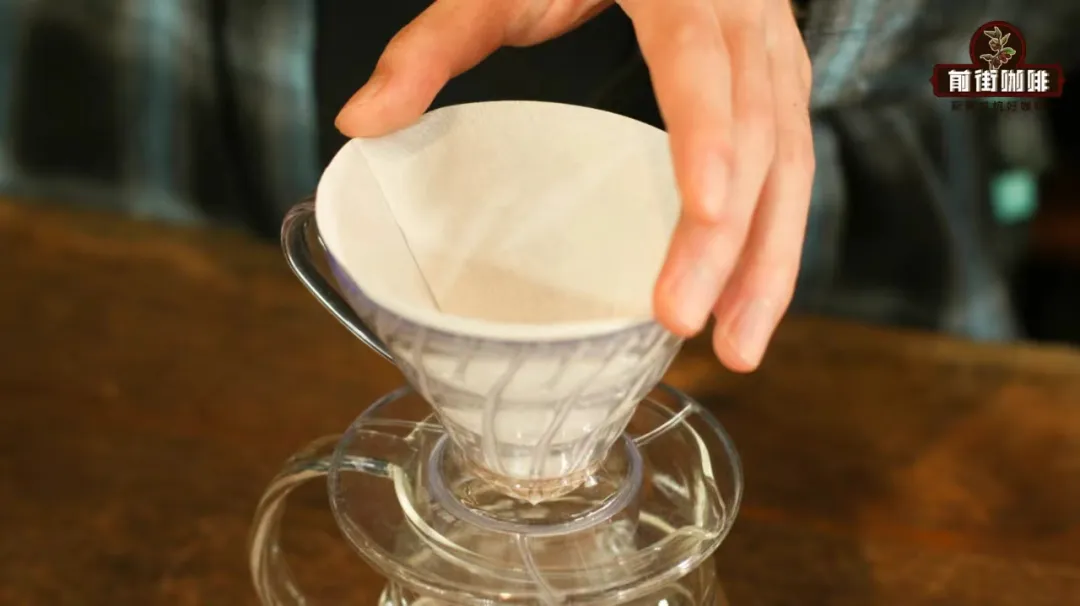
After placing the filter paper into the cone, gently press the edges with your hands to ensure there are no obvious gaps between the paper and the cone walls. Then, pour a small amount of hot water (around 90–95°C) to fully wet the filter paper. This step not only preheats the cone and the server below, but also uses the water’s action to make the filter paper stick tightly to the inner wall of the cone, getting everything ready for the actual brewing pour.
Note that after wetting the filter paper, it’s recommended to discard this first pour of hot water to avoid excessive temperature loss or dilution of the coffee bed. By this point, the filter paper should be smoothly attached to the inner wall of the cone. Even if you gently shake the cone, it shouldn’t loosen or lift — this indicates good adhesion, and you’re ready to add the coffee grounds and proceed with the next steps of extraction.
Aside from the V60, other types of filter cones such as the Kalita Wave or fan-shaped cones may have different structures, but the basic principle of filter paper adhesion still applies. For instance, the Kalita Wave’s flat-bottomed, multi-hole design doesn’t rely on ribs like the V60 does, but keeping the filter paper flat and well-adhered still helps maintain stable water flow, preventing issues like over-extraction in certain spots or under-extraction elsewhere.
In summary, if you want to improve the stability and flavor performance of your pour over coffee, the adhesion between filter paper and cone is definitely a critical detail that shouldn’t be overlooked. With the right folding and wetting techniques, plus a basic understanding of your filter cone’s structure, you’ll be able to better control water flow and extraction time, resulting in a more balanced and flavorful cup of pour over coffee.
The above content is compiled by CoffeeHunters, a coffee news website.


