







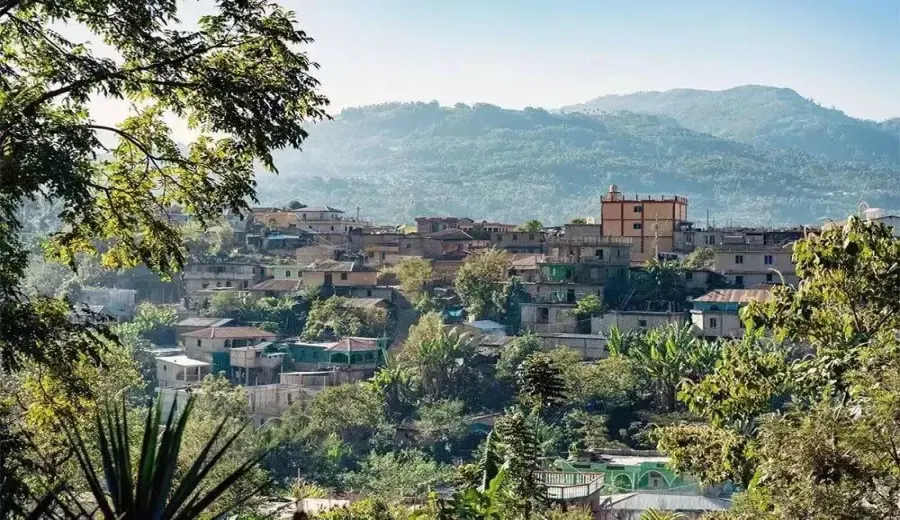
Introduction:Delve into the characteristics of Guatemala’s coffee-growing regions in Central America—from how its volcanic terrain and high-altitude environment produce Strictly Hard Beans (SHB), to an overview of the ten major producing regions and the SHB grading system. This article takes you on an exploration of the terroir of the representative Huehuetenango region and analyzes the typical flavor profiles of washed-processed beans, helping you grasp the key points for selection and appreciation.
Guatemala is located in the Central American volcanic belt, characterized by its mountainous terrain and diverse climate, especially the fertile volcanic ash soil that provides ideal conditions for coffee cultivation. The high-altitude Strictly Hard Beans (SHB) produced here are renowned for their rich and layered flavors, making them a flagship representation of Central American specialty coffee for many enthusiasts.
The country’s coffee cultivation history dates back to the mid-18th century when it was first introduced by Jesuits in the Antigua region. However, at that time, the economic pillar was indigo dye, and it wasn’t until the impact of locust plagues and synthetic dyes that Guatemala shifted toward developing its coffee industry. Over time, despite challenges such as Spanish colonization and the 20th-century civil war, coffee has remained an important cash crop.
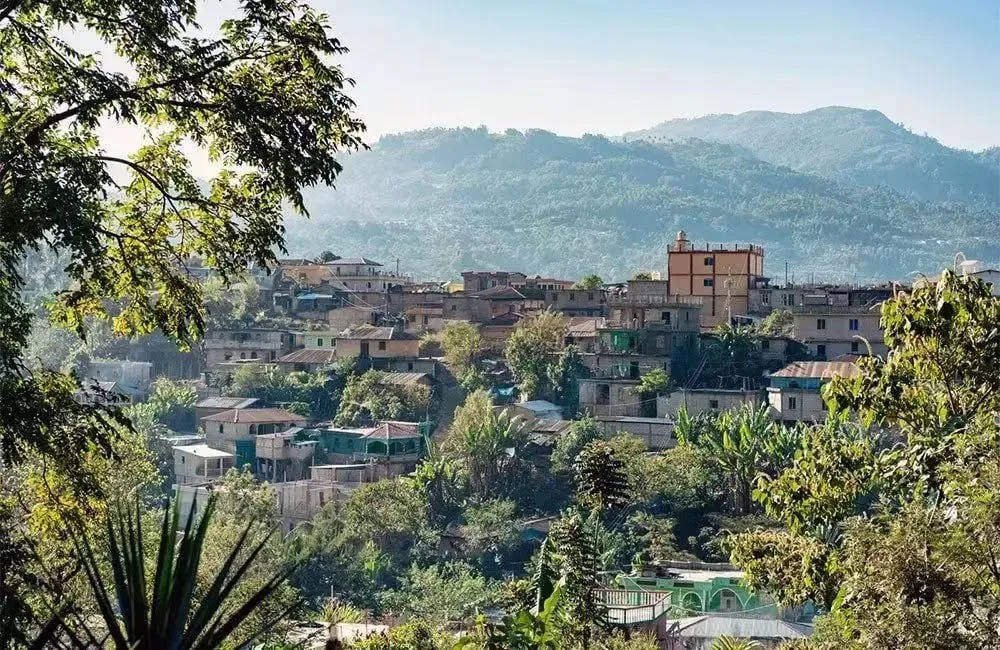
The nation has 22 departments, 20 of which are involved in coffee cultivation. The government officially designates ten major producing regions and classifies them based on whether they are located in the volcanic belt. Non-volcanic regions such as Huehuetenango, Cobán, and Nuevo Oriente, along with highly active volcanic zones like Atitlán, Antigua, Acatenango, Fraijanes, and San Marcos, each exhibit unique microclimates and flavor characteristics.
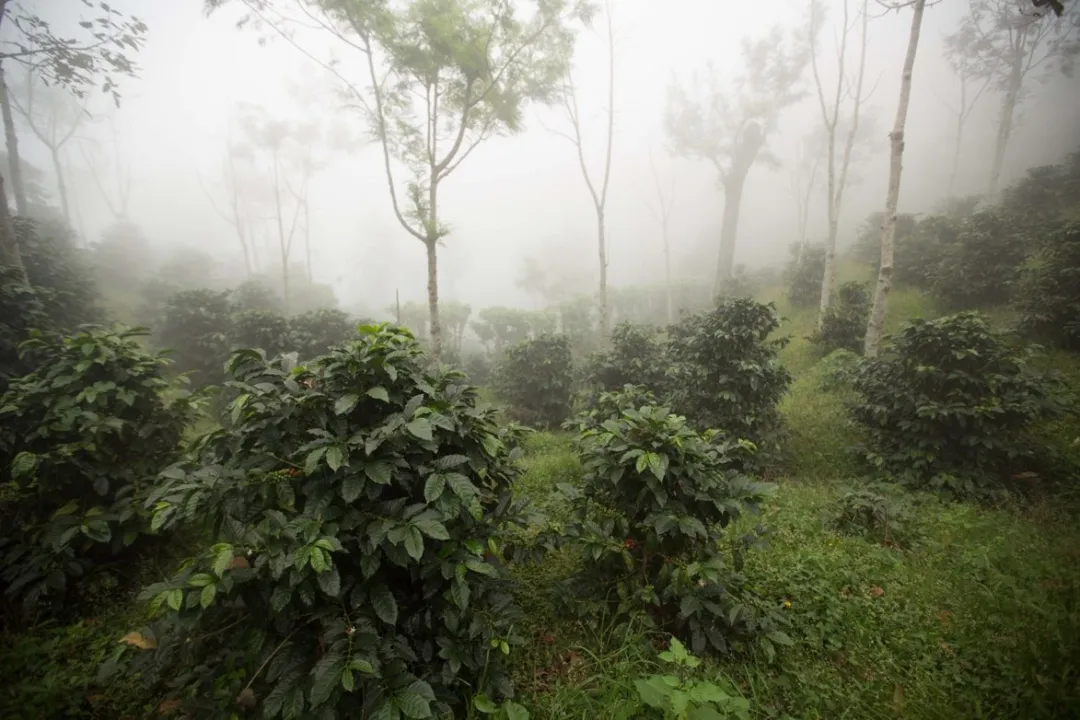
Among these, the Huehuetenango region is situated in the highlands of the country’s northwest, boasting the highest cultivation elevations nationwide, ranging from 1800 to 2100 meters. This area, near the tropical plains of Tabasco in Mexico, benefits from warm air currents that help mitigate frost risks often associated with high altitudes. Additionally, the presence of numerous rivers ensures a stable water supply, creating an optimal environment for growing Strictly Hard Beans.
Regarding coffee bean grading, Guatemala primarily relies on altitude as the standard. While there are slight variations among regions, the official ANACAFE agency publishes common grades including: SHB (Strictly Hard Bean, above 1370 meters), SEMI-HARD/HARD (1066 to 1370 meters), and EPW (Extra Prime Washed, below 1066 meters). SHB-grade beans, grown at high elevations, are denser and ripen more slowly, typically offering more complex flavors and better acidity structure.
Among the commonly available entry-level options, washed-processed beans from the Huehuetenango region are highly regarded. Common varieties include Bourbon, Catuai, and Caturra. These beans, after undergoing washed processing, often exhibit mild fruit acidity, citrus and berry notes, along with nutty and tea-like aftertastes when brewed. The overall profile is balanced and approachable, making them very suitable for everyday drinking or as an introductory choice for pour over coffee.
Although the coffee flavors of Huehuetenango may not be as floral or fruity as those of other regions, the distinctive blend of gentle acidity and nutty tones still fully showcases the regional characteristics of Guatemalan coffee. It also serves as an excellent starting point for understanding the coffee styles of Central North America.
The above content is compiled by CoffeeHunters, a coffee news website.


