







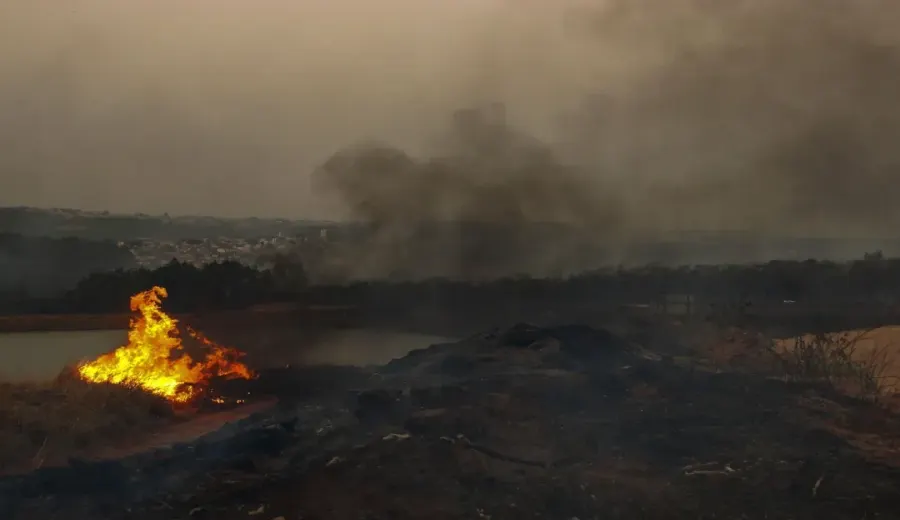
Introduction:Recently, São Paulo state in Brazil has experienced its worst wildfires in decades, with 46 cities declared under a state of emergency and the number of fires reaching an all-time high. Although the main harvesting period is nearing its end, the new crop is in a critical growth stage, particularly in the renowned Alta Mogiana region, which borders heavily affected areas and may be significantly impacted. This article takes an in-depth look at the current wildfire situation, the affected regions, and the potential challenges it may pose to Brazil’s coffee yield and quality in the future.
In recent days, São Paulo state in Brazil has been hit by its most severe wildfires in decades, with at least 46 cities declaring a 180-day state of emergency in response to the disaster. The scale of the fires is unprecedented, not only causing thick smoke to blanket multiple towns but also leading to road closures and flight cancellations. While the main harvesting period for Brazilian coffee is nearly over, the new season’s coffee crops are still in their growth phase—especially around Ribeirão Preto, the hardest-hit area, and the famous Alta Mogiana region, both of which may be directly or indirectly affected.
According to data from Brazil’s National Institute for Space Research (INPE), within just two days from August 22 to 23, São Paulo state recorded over 2,300 fires, setting a national record for the highest number of daily fires. On August 24, an additional 305 fires were reported, bringing the total to 2,605. From the beginning of this year to August 24, the total number of fires in the state has already surpassed the combined total of the previous two years, with 3,175 fires occurring in August alone—the highest monthly count in 26 years for the institute.
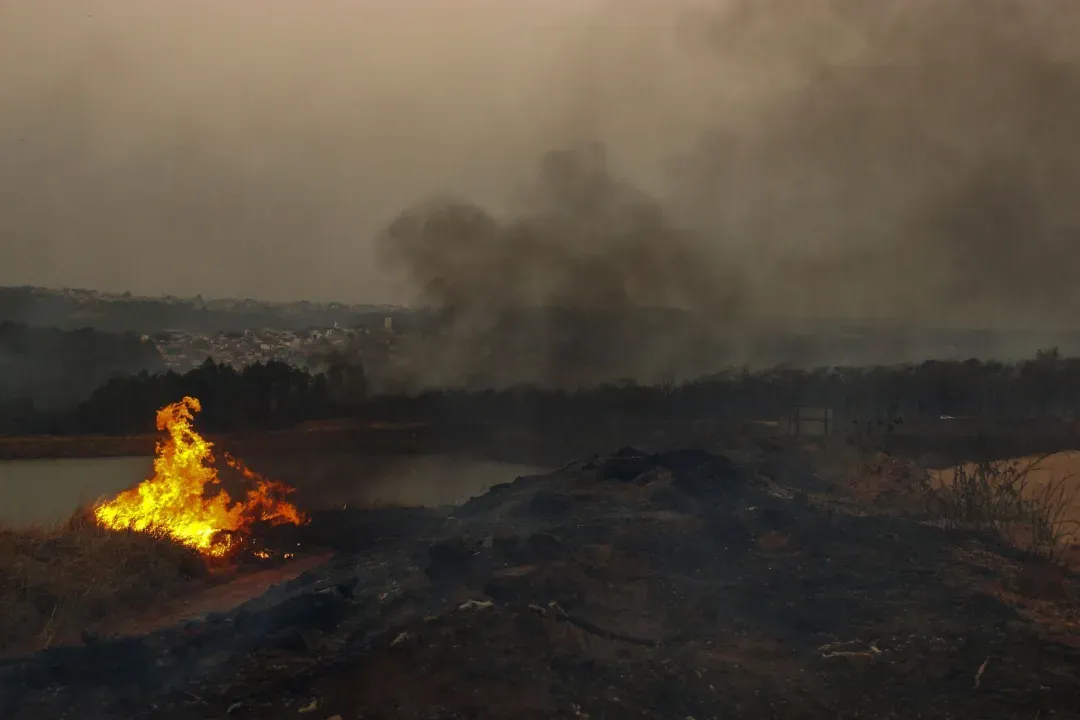
Currently, the wildfires are primarily concentrated in the suburbs of São Paulo city. Although the urban area has not been directly impacted, surrounding rural regions are shrouded in heavy smoke, with ongoing forest fires along several highways. The wildfires have also spread to farmland in the northern part of São Paulo state, deteriorating air quality in nearby towns. Local governments have issued warnings advising residents to avoid outdoor exercise to prevent inhaling harmful smoke.
Experts note that Brazil’s wildfire season typically peaks in August and September, but due to abnormal climate conditions this year—with exceptionally high temperatures and dryness—wildfires began as early as late May, even affecting the Pantanal, the country’s largest wetland. The state government has set up a crisis management office and stated that it is making every effort to combat the ongoing fires. The governor also warned that the current combination of high temperatures and strong winds could further accelerate the spread of the fires.
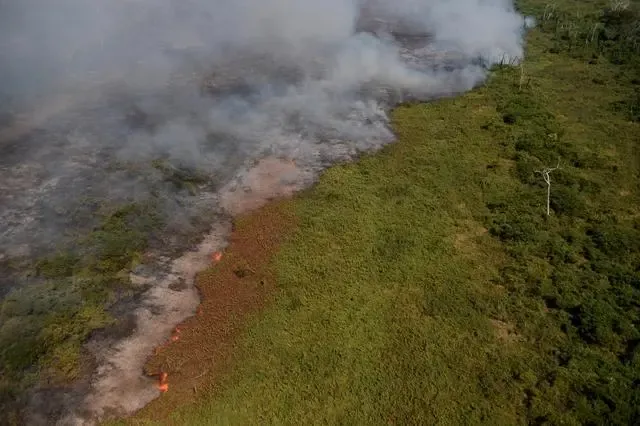
Beyond the threats posed to the natural environment and residents’ lives, the potential impact of these wildfires on Brazil’s coffee industry cannot be overlooked. In particular, Ribeirão Preto, the hardest-hit area, serves as a key agricultural trading hub for the region and neighboring states, where large amounts of coffee and grain are grown and is now facing serious risks. In addition, Alta Mogiana, one of São Paulo state’s most renowned specialty coffee regions located in the northern part of the state, borders the most affected zones and may also be impacted.
Moreover, the fires have forced the closure of several state roads, severely affecting the efficiency and timeliness of coffee bean transportation, which could in turn disrupt subsequent roasting and export plans. Even more notably, the fires can damage soil structure, reducing soil fertility and negatively impacting crop growth in the coming seasons.
According to forecasts from Brazil’s meteorological department, the region is expected to experience cooling and rainfall in the coming days. However, this rain may mix with smoke particles from the fires, resulting in what is known as “black rain.” This type of precipitation, containing large amounts of ash and pollutants, could further harm the leaves, fruits, and overall growing environment of the new season’s coffee trees, thereby affecting the flavor and overall quality of the coffee.
The above content is compiled by CoffeeHunters, a coffee news website.


