







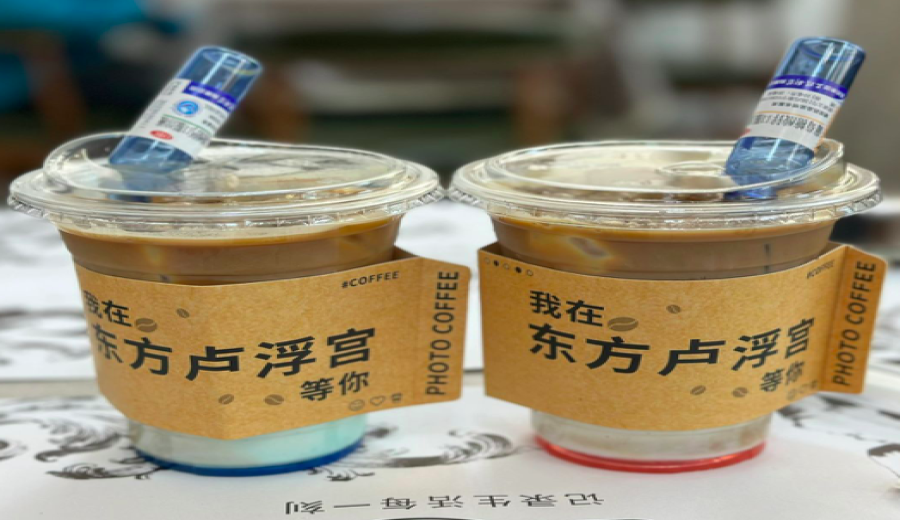
Introduction:The café in the Harbin Pharmaceutical Sixth Factory scenic area once launched specialty lattes infused with calcium gluconate and zinc oral solution, sparking controversy due to the illegal addition of Class A over-the-counter medications. After consumers reported the issue, market regulators launched an investigation, ultimately resulting in compensation and a reward totaling 2,000 yuan, which was fully donated. This article details the incident from start to finish, analyzing food safety regulations and common misconceptions.
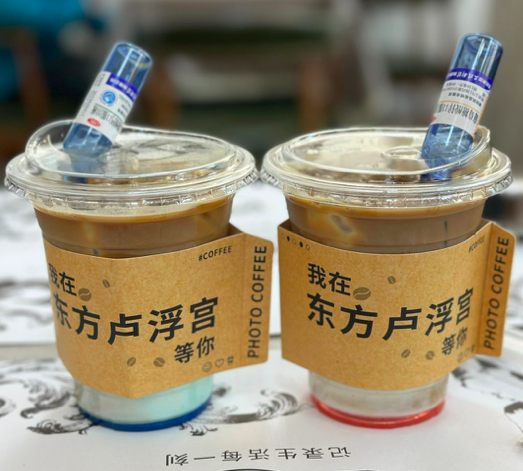
In May of this year, a café within the well-known northeastern internet-famous attraction “Harbin Pharmaceutical Sixth Factory Scenic Area” became embroiled in controversy over two uniquely flavored lattes. Among them, the “Blue Bottle Latte” contained added calcium gluconate oral solution, and the “Zinc Wish Latte” included zinc gluconate oral solution—both of which clearly displayed red OTC labels on their packaging, classifying them under China’s regulatory definition ofClass A Over-the-Counter Medications. According to the Food Safety Law of the People’s Republic of China, it is explicitly prohibited to directly mix pharmaceuticals into food products during preparation. This move immediately raised questions regarding legality and food safety.
On-site customers observed that baristas were directly opening small blue bottle supplements and pouring them into the coffee, rather than using only the non-pharmacologically active components. Although the café later adjusted the procedure by discarding the oral liquid and keeping only the empty bottles as decoration, it was still pointed out that there could be residual risks, and that decorating with empty bottles did not address the fundamental violation. Many consumers worried that such creative beverages might mislead the public about the boundary between pharmaceuticals and food.
After the incident came to light, one customer who had purchased the drink filed a complaint via the national 12315 platform. The local Market Supervision and Administration Bureau responded promptly and officially launched an investigation on May 14. According to the customer’s recollection, in late June they received a phone call from the bureau, during which the business tried to negotiate lowering the “minimum compensation amount of 1,000 yuan,” but the customer firmly refused. During the mediation process, market supervision officers mentioned that if the business were fined, they could not also provide compensation to the consumer—a statement that sparked heated online discussion, with many believing fines and civil compensation could coexist without conflict.
At the end of July, the customer was again notified by the market supervision bureau that the case investigation had encountered unspecified obstacles and was advised to drop the pursuit. However, the customer did not back down, and on August 12 received a third contact. The next day, as instructed, they went to the market supervision bureau to sign various documents including the case filing decision notice and mediation notice, formally confirming receipt of a total of2,000 yuan in compensation and a food safety hazard reporting reward, and pledged not to pursue further legal action against the business. Notably, throughout the entire process, no representatives from Harbin Pharmaceutical Sixth Factory appeared to mediate.
After the incident concluded, the customer chose to donate the entire 2,000 yuan to the Red Cross Society of Hebei Province, demonstrating that their original intent was not profit-seeking, but rather to advocate for greater attention to food safety. This move sparked polarized discussions online: some netizens argued it was “overblown,” considering it merely creative marketing that caused no actual health harm; however, many more emphasized that “food safety is no trivial matter,” and that mixing Class A over-the-counter medications with food clearly violates existing regulations, with the customer’s persistence helping to prevent potential future risks.
Industry experts remind that even though some medications are classified as over-the-counter, directly adding them to food can still breach the law, especially Class A over-the-counter drugs, which must be used strictly under medical guidance. When selecting specialty beverages, consumers should pay attention to ingredient labels, and if any suspicious additives are found, they can report them through the 12315 platform, thereby protecting their own rights while also promoting standardized market development.
The above content is compiled by CoffeeHunters, a coffee news website.


