








Introduction:Many coffee enthusiasts often find that the flavors they achieve at home don't quite match what they experience in cafés, especially when trying to recreate the refreshing and sweet aftertaste reminiscent of "tea-like" notes. This article will delve into how adjusting the type of dripper, pouring strategy, and extraction rhythm can help your pour over coffee exhibit the delicate aroma and lingering sweetness similar to green tea. Using Ethiopia Washed Kaffa Forest as an example, we’ll provide a complete demonstration of extraction parameters and the step-by-step brewing process to guide you from theory to practice—helping you brew specialty coffee with tea-like elegance effortlessly.
Have you ever had a cup of coffee in a café that had a refreshing tea-like character, only to find that when you try to brew it at home, something always seems off? It might turn out too bitter or astringent, or perhaps only showcases single-dimensional floral or fruity notes, never quite capturing that elegant, green-tea-like freshness and sweet aftertaste. This often-talked-about “tea sensation” is actually one of the ideal flavor profiles many coffee lovers strive for.
The so-called "tea sensation" doesn’t refer to any one specific flavor, but rather a holistic experience where the aroma, mouthfeel, and aftertaste of the coffee evoke associations with particular types of tea. For instance, the freshness of green tea, the roundness of black tea, or the floral-fruity nuances of oolong tea. This feeling stems from certain compounds in coffee—such as polyphenols—that influence the tactile sensation on the palate and shape the overall flavor structure, thereby triggering our memories of tea beverages.

So, which types of coffee beans are more likely to exhibit this kind of tea-like character? Generally speaking,light to medium roasted coffee beans, especially those processed via the washed method from high-altitude regions, tend to preserve more of their innate fruit acids and subtle aromatics. When brewed properly, they can showcase a refreshing quality and sweet aftertaste akin to green tea. For example, Ethiopia Washed Kaffa Forest, Yirgacheffe Guji Dingding, or Panama Geisha series are frequently cited classic beans known for their tea-like qualities., as they retain more of the native fruit acids and delicate aromas, they can often exhibit a refreshing and lingering aftertaste reminiscent of green tea when brewed properly. For example, Ethiopia’s washed Yirgacheffe Kochere, Yirgacheffe Guji Gedeb, or Panama Geisha series are classic beans frequently mentioned for their tea-like qualities.
If you’d also like to brew such tea-sensation coffee at home, the key lies in three practical extraction details:using a flat-bottomed dripper to create immersion effects,increasing the initial pour volume to encourage the release of later-stage compounds, andslowing down the pouring speed to extend the overall extraction time. Next, we’ll use Ethiopia Washed Kaffa Forest as an example to break down the specific steps and parameter settings.
[Coffee Bean Information]
Origin: Ethiopia · Kaffa Forest
Processing Method: Washed
Roast Level: Light to Medium
Flavor Notes: Citrus, white floral, nectarine, pomelo peel, Asian pear tea aroma, with a clean and sweet aftertaste
[Basic Parameters]
Dripper: Ceramic cake dripper (flat-bottom design)
Brew Water Temperature: 92°C
Coffee Grounds: 15 grams
Brew Ratio: 1:16 (total water volume: 240 grams)
Grind Size: EK43s grind setting 10 (approximately 80% through a #20 sieve—particle size between fine and white sugar)

[Brewing Steps]
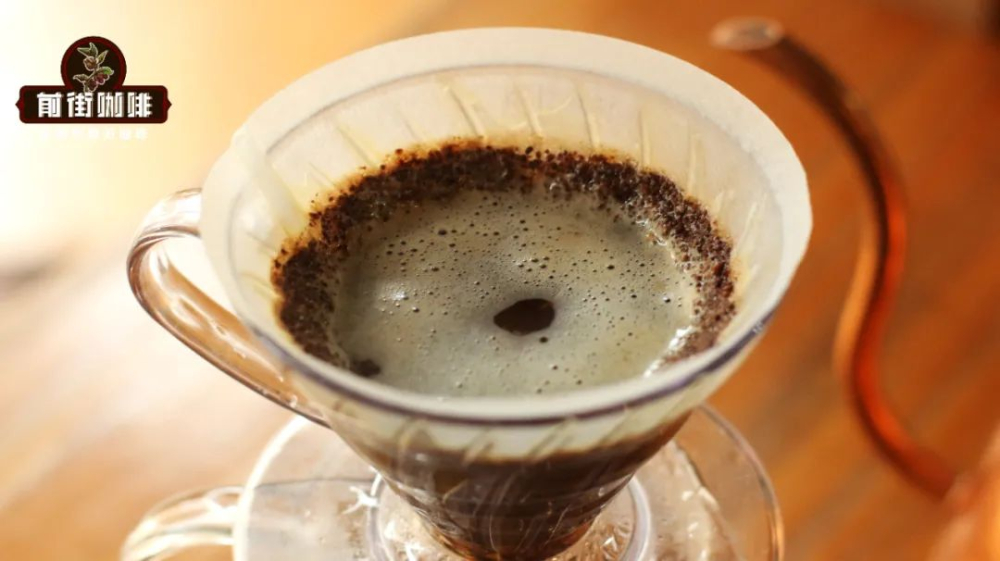
Step 1: Place 15 grams of coffee grounds into the dripper and gently level the surface. Start with a 30-gram bloom using hot water for about 30 seconds, while beginning the timer. It is recommended to use a gentle, small stream of water, pouring in small circles from the center outward to ensure all coffee grounds are evenly saturated.
Step 2: After the bloom, continue pouring with a steady, small stream of hot water up to 120 grams, aiming to complete this stage around 1 minute and 05 seconds. You may slightly expand the pouring circle during this phase to lift the coffee bed and promote degassing, which helps enhance subsequent flavor release. Cumulative water volume reaches 150 grams.
Step 3: When the liquid level drops to about half the height of the coffee bed, begin the final pour with the remaining 90 grams of water. For this stage, it’s advised to use an even smaller stream and focus on a tight, small circle to avoid over-spreading the coffee bed, which could lead to uneven extraction. Keep the movements gentle and stable, continuing until all the water has dripped through. The entire extraction process should finish in approximately 2 minutes and 20 seconds, with a total water volume of 240 grams.

Through this three-stage extraction strategy, you can more effectively manage the release of compounds at each phase: the initial stage uses the bloom to awaken aromas, the middle stage promotes acidity and aroma development, and the final stage uses a slow, steady flow to draw out the coffee’s sweetness and the lingering tea-like finish.
After brewing, this Ethiopia Washed Kaffa Forest not only presents clear citrus and white floral notes, but also delivers a refreshing slight bitterness reminiscent of pomelo peel and a soft sweetness akin to Asian pear tea upon tasting. The overall aftertaste is clean and long-lasting, closely resembling the drinking experience of tea.
In summary, to brew a pour over coffee at home with a tea-like character, the key lies not only in choosing the right beans, but also in making appropriate adjustments to your dripper, pouring technique, and timing control. By leveraging the immersion effect of a flat-bottomed dripper, adopting a well-paced pouring rhythm, and extending the extraction time, you’ll be able to more easily recreate that refreshing and memorable green-tea-like coffee experience.
The above content is compiled by CoffeeHunters, a coffee news website.


