







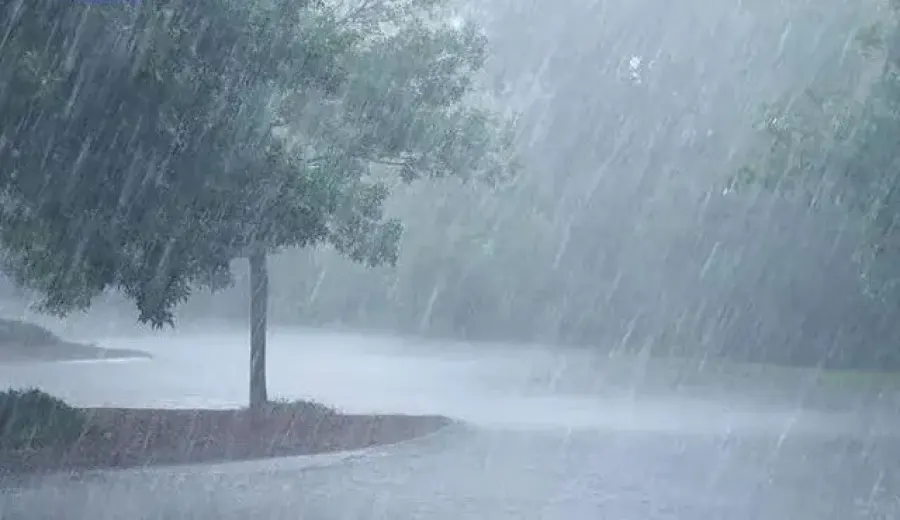
Introduction:The tropical storm Carlotta recently struck Mexico’s western key coffee-growing regions, hitting coffee trees during their flowering stage with heavy rainfall and hail. Industry estimates suggest production could plummet by up to 50%. This article delves into the production share of the affected states, the differential impact of extreme weather on Arabica and Robusta varieties, and provides key disaster prevention tips for farmers along with an analysis linking global climate trends.
Mexico’s coffee industry is facing one of its most severe challenges in recent years, with the western states of Colima, Jalisco, Michoacán, and Nayarit suffering significant agricultural damage under the onslaught of Tropical Storm Carlotta. These regions collectively contribute about 15% of the country’s total coffee output, and with coffee trees at a critical flowering stage, persistent heavy rain and sudden strong winds have caused extensive flower drop.Production is expected to decline by up to 50% for the current season.。
Notably, the affected areas mainly grow medium- to low-altitude Robusta varieties, which, while more resilient, have suffered from frequent root rot and stem breakage due to the combined impact of flooding and hail.In contrast, high-altitude Arabica varieties were not directly hit, but nationwide climate anomalies continue to indirectly affect the overall supply chain.。
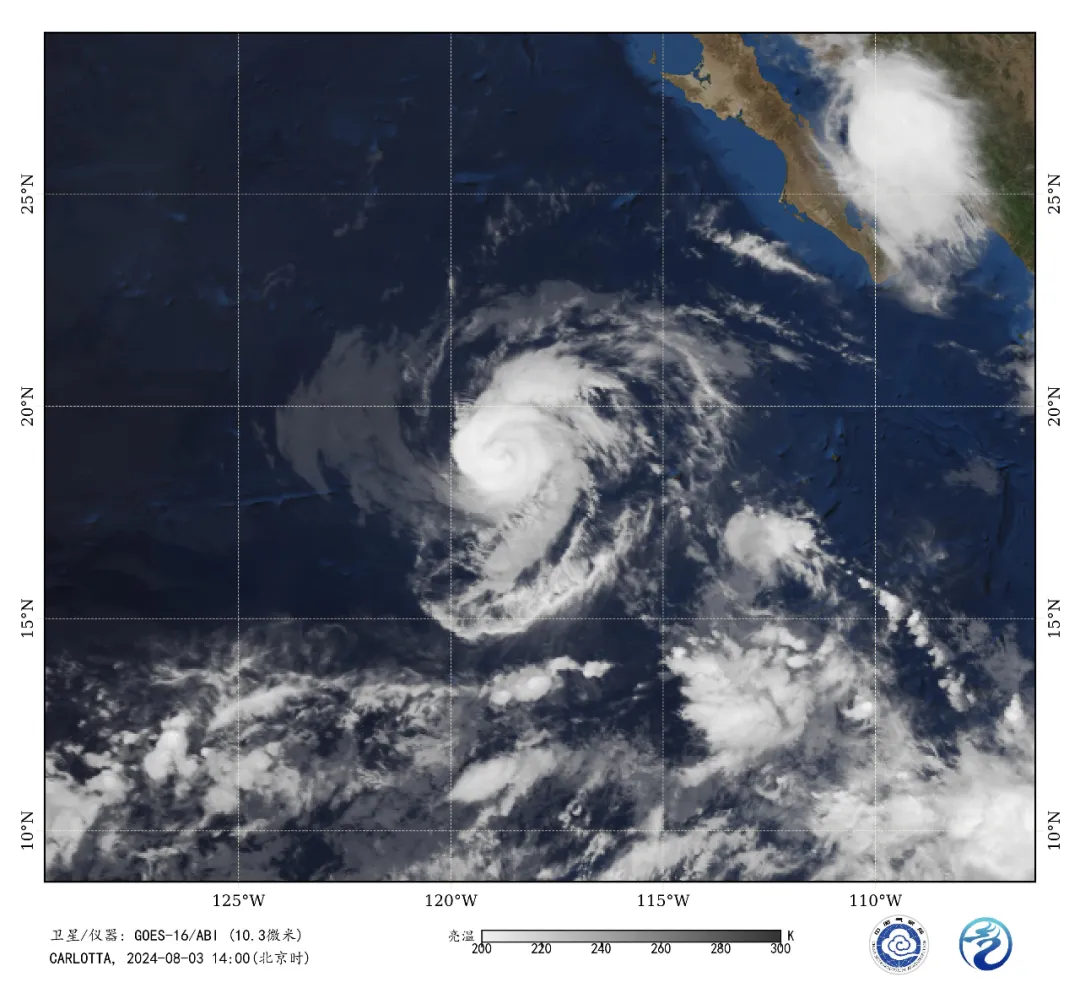
Records from Mexico’s National Meteorological Service show that when Carlotta made landfall, its maximum sustained wind speed reached 75 km/h. Within just 24 hours, its intensity escalated from Category 11 to Category 13, with accompanying lightning activity causing temporary power outages in some mountainous areas. Although the main body of the storm has moved away, neighboring states such as Oaxaca and Chiapas remain on alert for delayed disasters, including landslides and irrigation system blockages.
In fact, this is the second major weather threat to Mexico’s coffee belt this year. As early as mid-June, Tropical Storm Alberto formed in the Gulf of Mexico and made landfall, bringing record-breaking rainfall to states including Veracruz and indirectly leading to saturated soil moisture levels, which exacerbated the infiltration damage caused by Storm Carlotta.According to official data, over 80% of the country’s coffee-growing regions have been subjected to the dual impacts of high temperatures, drought, and abnormal rainfall.。
Industry insiders point out that the current stage is the most crucial growth period before harvest, and any environmental disturbances will directly impact the quality and yield of next year’s crop.Farmers should prioritize checking whether drainage ditches are clear and provide support to young plants to prevent lodging.The Chinese Embassy in Mexico has also issued warnings, urging people to avoid mountainous and low-lying areas and to stock up on at least 72 hours’ worth of emergency supplies.
From a macro perspective, Mexico’s Ministry of Agriculture had originally projected a 2024/25 coffee production of 3.89 million bags (each bag weighing 60 kg), but the series of extreme weather events have put this target in jeopardy.The U.S. NOAA predicts that 41 tropical cyclones will form in the Atlantic and Pacific this year, with five directly affecting Mexican territory.This highlights that the climate crisis has become a long-term concern for the industry’s development.
Experts recommend that consumers, when selecting Mexican coffee, prioritize Arabica beans from high-altitude regions, which are relatively less affected by disasters in low-altitude areas. At the same time, pay attention to whether roasters indicate sustainable certification labels such as “climate-adaptive cultivation,” as these products often demonstrate stronger resilience to disasters and greater flavor consistency.
The above content is compiled by CoffeeHunters, a coffee news website.


