







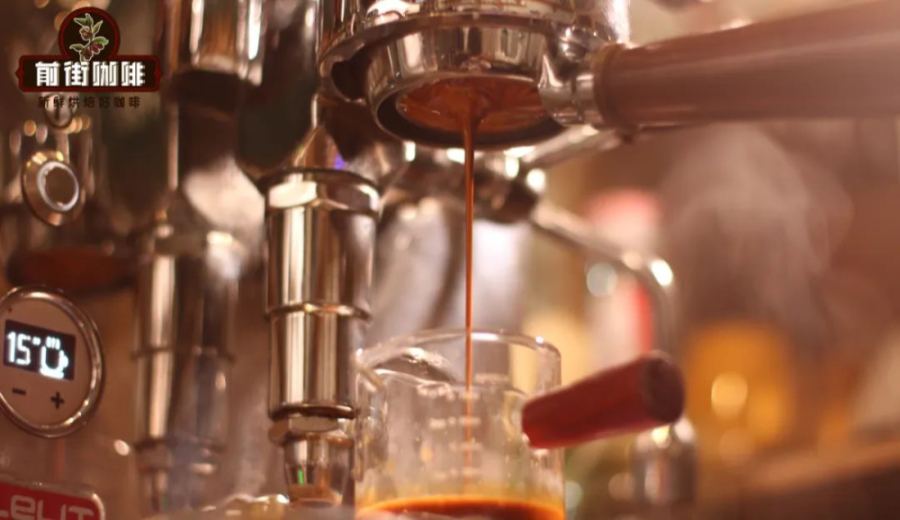
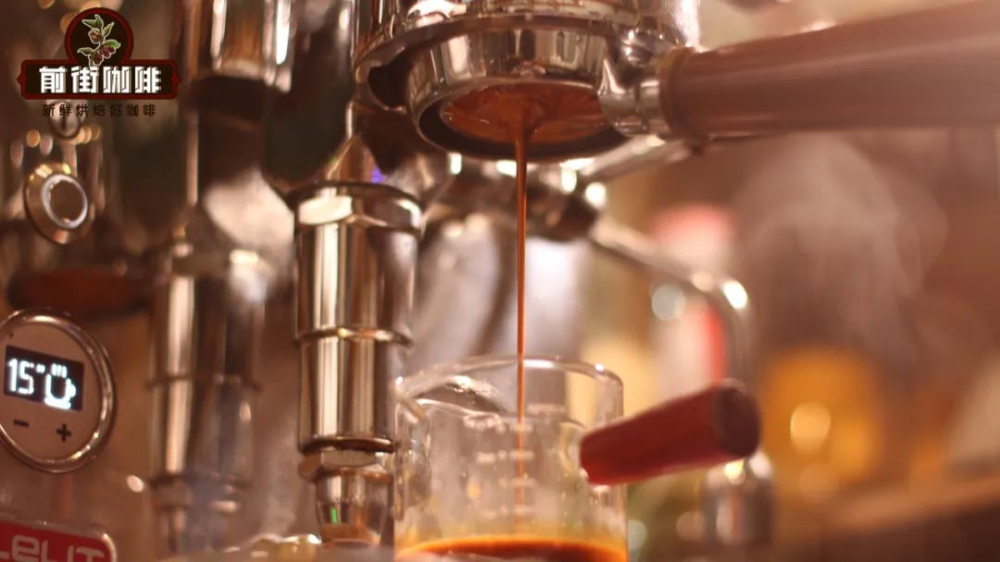
Introduction:Have you ever noticed that even when using the same coffee beans, the same grind size, and the same dose, the extraction flow rate of your espresso often varies unpredictably? More often than not, this isn’t a technical issue, but rather the result of several commonly overlooked variables. This article will delve into the impact of tamping versus no tamping, the changes in coffee particle size caused by rising burr temperatures, and the potential interference when an espresso machine’s boiler is handling multiple tasks simultaneously — helping you identify the true causes of unstable extractions and improve the consistency and reliability of every shot.
During the coffee-making process, you may sometimes encounter this situation: using the same coffee beans, grind size, and dose, yet the espresso extraction flow rate fluctuates inconsistently, leading to unstable flavor performance. If you’ve faced this issue, chances are you’ve overlooked some common yet critical variables. This article will take a practical approach to systematically analyze the three main causes of abnormal extraction flow rates, helping you more accurately control extraction parameters and stabilize the quality of your output.
Let’s start with the seemingly simple yet frequently overlooked issue of “tamping” — or the lack thereof. Tamping refers to applying a certain amount of downward pressure to the coffee grounds before grinding. This pressure may come from the natural stacking of a large quantity of beans in the bean hopper or from additional weights placed intentionally. In contrast, not tamping means using only a small amount of coffee beans in the hopper, just enough for a single or small number of extractions, where the beans experience little to no extra pressure during grinding.
Although the specific practices of “tamping” and “not tamping” are not the focus of detailed discussion in this article, the difference between them directly affects grind uniformity. When coffee beans are subjected to appropriate pressure during grinding, they are less likely to bounce or shift within the burrs, allowing for a more stable and consistent chopping action, resulting in more uniform particle sizes. On the other hand, if the beans are not firmly constrained, they can scatter, bounce, or even be ground multiple times during burr rotation, leading to some particles being too fine and others too coarse. This inconsistent grind size ultimately affects the speed of water flow through the coffee puck and the quality of extraction.
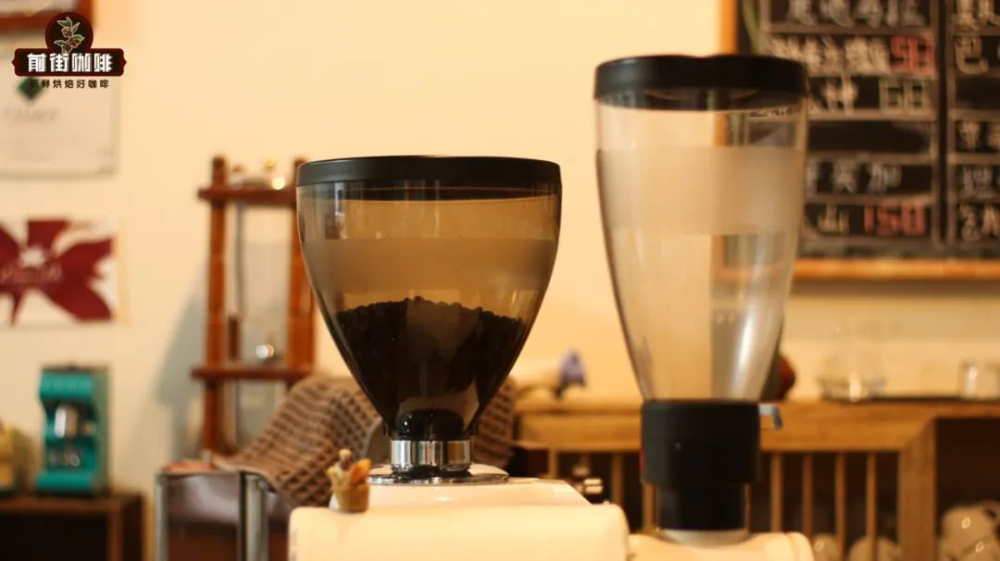
Therefore, if you often brew multiple espressos in a row, it is recommended to use the tamping method during grinding. Applying stable pressure helps keep the beans in a fixed position between the burrs, contributing to a more consistent particle distribution, thereby stabilizing the extraction flow rate and flavor profile. It’s worth mentioning that the source of pressure doesn’t have to be the coffee beans themselves — as long as the pressure is evenly applied and doesn’t interfere with the machine’s operation, using other weighted objects securely wrapped can also achieve similar results.
The second commonly overlooked factor is the issue of burr temperature rise due to high-load operation. When you brew multiple cups of coffee in succession, especially within a short period of high-frequency grinder use, the burrs accumulate significant heat due to prolonged friction from continuous rotation.
As the burr temperature increases, the coffee beans in contact with them become more fragile due to the heat. This means the beans are more easily cut by the burrs, but at the same time, this can also lead to the production of coarser particles. This uneven particle state directly alters the speed at which water flows through the coffee puck, thereby affecting extraction time and the final espresso taste.
In addition, a high-temperature environment accelerates the loss of volatile aromatic compounds in the coffee grounds. When the temperature is too high, the rate of oxidation reactions increases, causing aromas that should be released during extraction to evaporate prematurely, ultimately compromising the full expression of flavor.
To address this issue, for home use, it is recommended to moderately extend the intervals between consecutive extractions, giving the burrs time to cool down. In a commercial setting, in addition to paying attention to usage rhythm, you can also slightly adjust the dose (without altering the grind size) to compensate for changes in flow rate, avoiding direct adjustments to grind settings that could introduce further instability.
The last possible cause of unstable espresso extraction flow rate relates to the design and operational logic of the espresso machine itself, particularly the load management of the boiler system. Many home or small-to-medium commercial espresso machines’ boilers do not support simultaneous espresso extraction and milk frothing, or struggle to maintain stable water pressure and temperature under such dual-task conditions.
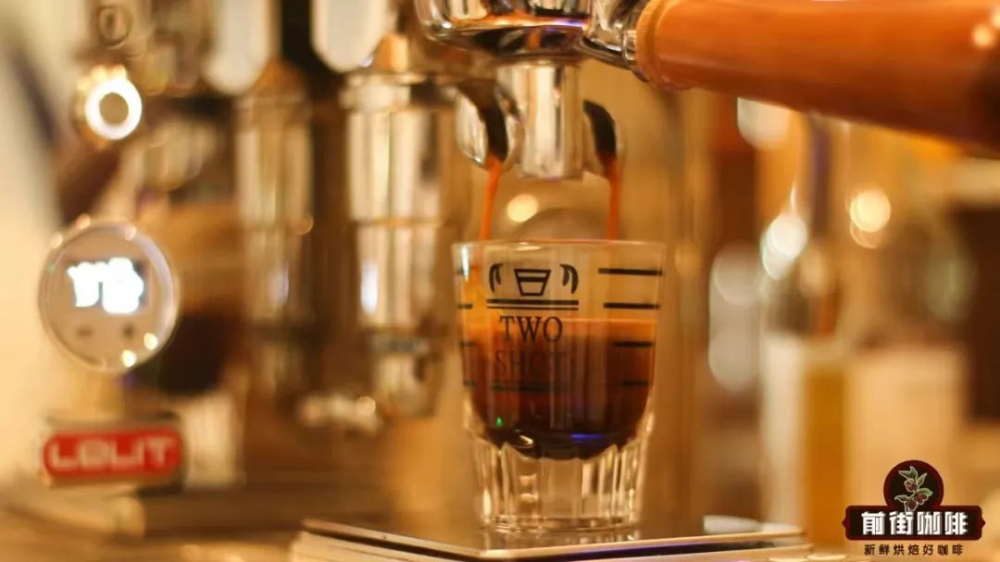
When the espresso machine is handling both extraction and steaming simultaneously, the pressure distribution inside the boiler may become unbalanced, leading to insufficient or fluctuating pressure during the extraction phase, which in turn affects water flow speed and the efficiency of coffee extraction. In such cases, even if your grind and dose settings are perfectly correct, you may still end up with unstable extraction results due to equipment limitations.
The solution to this problem is relatively straightforward but often overlooked: optimize your workflow by completing the espresso extraction first, then proceeding with milk frothing. This ensures that during the crucial extraction phase, the boiler can focus on providing stable pressure and water temperature, avoiding the interference caused by multitasking, and thereby maintaining consistent quality across every cup of espresso.
The above content is compiled by CoffeeHunters, a coffee news website.


