







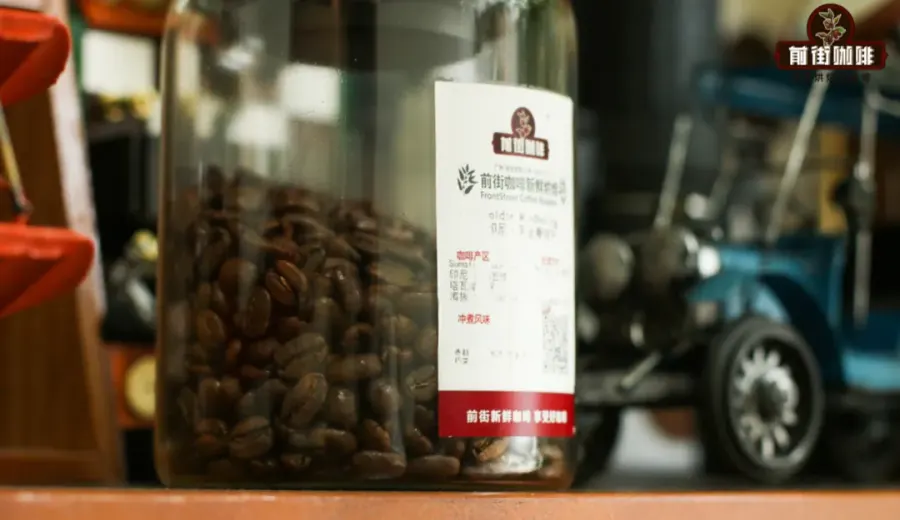
Introduction:The appearance of oil on the surface of coffee beans is a natural phenomenon during the roasting process, but not all roasted beans will develop an oily sheen. This layer of oil is closely related to the roast level and directly affects the aroma and shelf life of the coffee. This article delves into the science behind oily coffee beans, explores how different roast levels influence oil production, and provides practical storage tips to help you better understand and preserve your favorite beans.
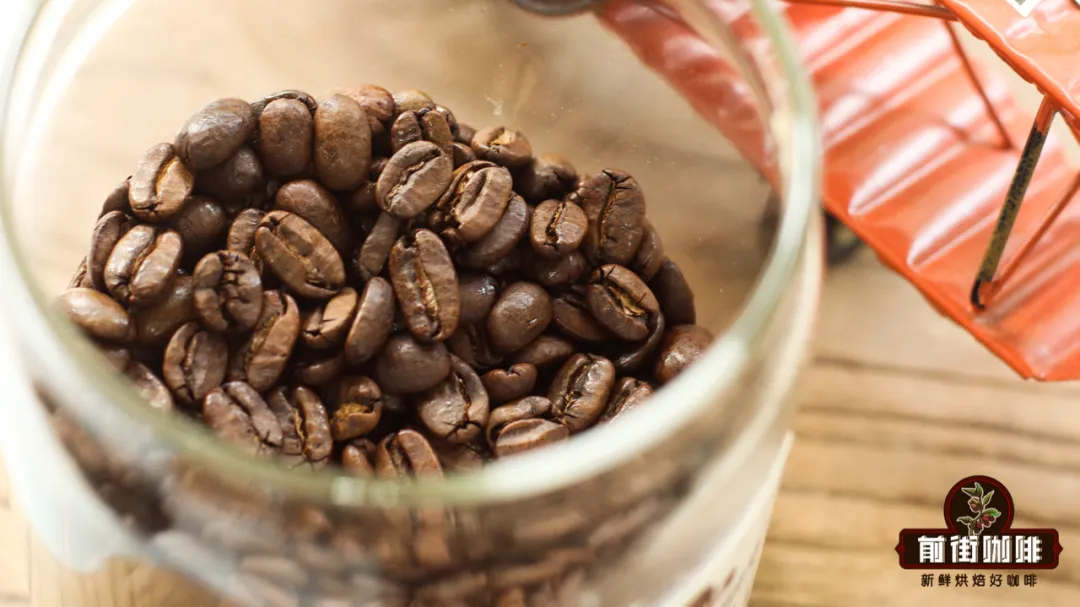
Many coffee enthusiasts often notice a glossy, oily layer on the surface of certain beans before brewing and wonder: what is this? In fact, this “oil” is the water-soluble fats inside the coffee bean, which gradually migrate to the bean’s surface during roasting. However, not all roasted beans will become oily—the key factor lies in the depth of the roast.
Before roasting, green coffee beans have a tightly packed internal structure, with oils securely contained within their fibrous tissues. As the beans enter the roasting phase and temperatures rise, they begin to expand, and the pores in their cell walls also enlarge. During this process, large amounts of carbon dioxide and aromatic compounds are released, and dark-roasted beans, due to greater expansion,typically develop an oily sheen more quickly and noticeably after roasting.
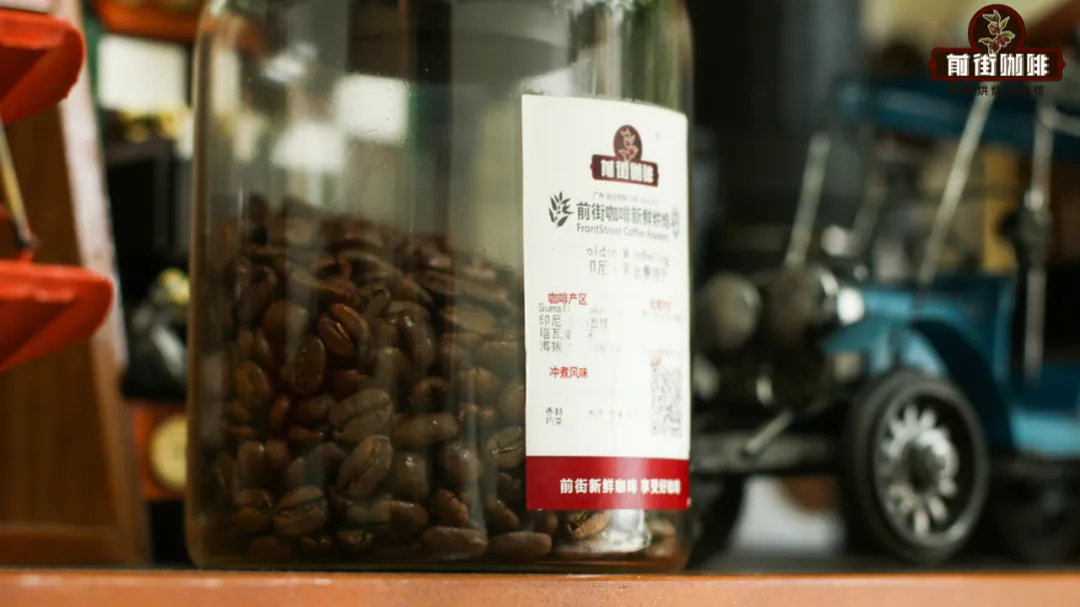
Interestingly, among roasted beans, why do some become oily quickly while others show little to no oil? This is related to the timing of the roast. Generally speaking, beans roasted until the end of first crack and before second crack begins have already released a significant amount of gas, but visible surface oils may only appear a few days later. However, beans roasted during the dense phase of second crack oftenshow a slight oily sheen right out of the roaster—a hallmark characteristic of dark roasts.
There was a time when, whether for espresso or pour over coffee, most roasted beans on the global market were covered with a thick layer of oil, as dark roasting was the norm. But with the rise of specialty coffee, more and more roasters have opted for lighter roast levels to highlight the intrinsic flavor profiles of the beans, rather than the smoky or charred notes brought out by dark roasting. As a result, oily surfaces on light-roast beans have significantly decreased, making oily beans somewhat of a “rare sight” nowadays.
Looking back about 40 years in the coffee market, both for home and commercial use, dark roasting dominated the entire coffee industry. There were two main reasons behind this: first, roasting equipment technology at the time was limited, making it difficult to evenly heat each bean; second, the quality of coffee beans themselves varied widely. In the absence of guaranteed perfect roasting for every bean, dark roasting became a kind of “remedy”—using high temperatures to reduce flavor differences between beans and maintain stability in extraction.
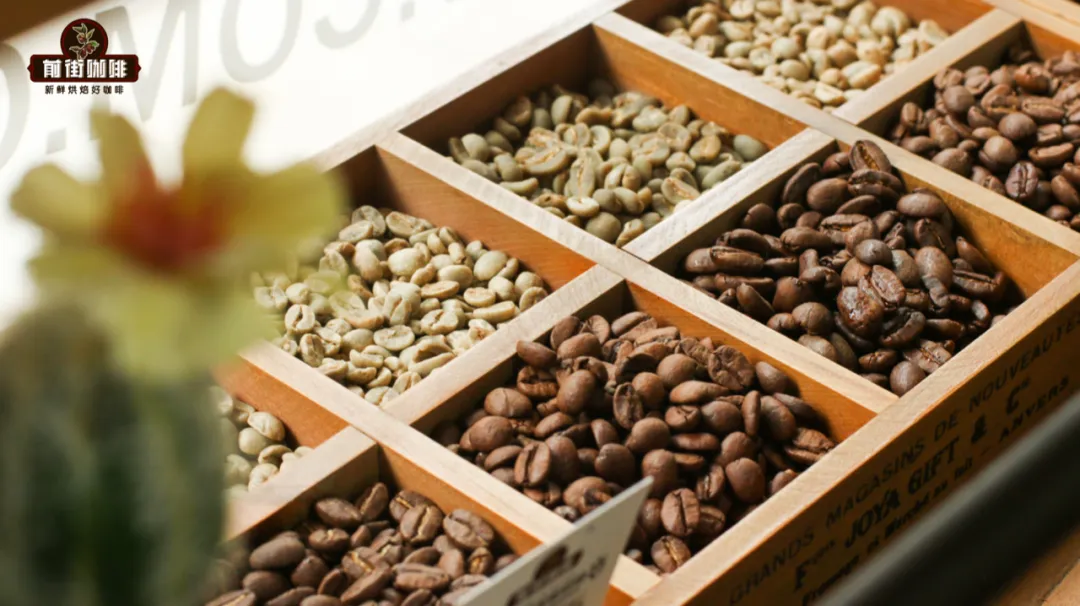
So, does oily coffee indicate better quality? Not necessarily. Although oily beans often have more intense aromas and richer, fuller flavors, this layer of oil is also a major accelerator of oxidation. Once the oil comes into contact with air, it speeds up the loss of aromatic compounds inside the bean, leading to a decline in coffee flavor. Therefore, if your coffee beans have already developed oil,it’s recommended to consume them sooner and store them properly to slow oxidation.
In terms of storage, oily coffee beans should be kept away from light, high temperatures, and moisture. It’s best to use opaque, airtight containers and store them in a cool, dry place. If possible, beans can be refrigerated, but care should be taken to prevent them from absorbing odors. Additionally, once opened, try to finish the beans within two weeks to ensure optimal flavor.
In summary, oily coffee beans are a normal physical and chemical change, closely tied to roast depth and timing. Understanding the science behind it not only helps you better appreciate the diverse flavors of coffee but also guides you in making smarter choices when selecting and storing your beans.
The above content is compiled by CoffeeHunters, a coffee news website.


