







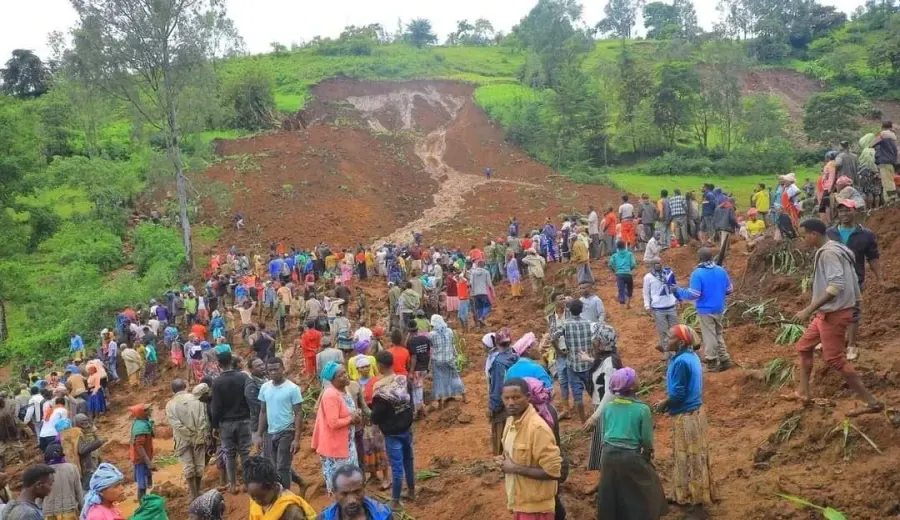
Introduction:A severe landslide occurred in the Gofa Zone of southern Ethiopia late at night on July 21, resulting in 229 confirmed fatalities so far, with the number feared to rise further. Beyond the tragic loss of life, the disaster also directly threatens the cultivation environment and infrastructure of key Ethiopian coffee-growing regions such as Kaffa, Jimma, and Yirgacheffe. This article delves into the potential impact of the disaster on Ethiopia’s coffee supply chain and the multiple challenges the country currently faces.
A major landslide struck Ethiopia’s Gofa Zone in the Southern Nations, Nationalities, and Peoples' Region late on the night of July 21 local time, with at least 229 deaths confirmed so far and the toll expected to climb. The disaster was primarily triggered by days of heavy rainfall, compounded by secondary landslides that even buried rescue workers. Notably, the affected area includes several of Ethiopia’s vital coffee-producing regions—Kaffa, Jimma, and Yirgacheffe—where ongoing torrential rains and geological hazards have directly impacted coffee cultivation environments and harvest-related infrastructure.
According to local Ethiopian media reports, the disaster occurred in the Gofa Zone of the Southern Nations, Nationalities, and Peoples' Region. As of now, 229 bodies have been recovered, comprising 148 males, 81 females, and children. Local officials stated that the death toll may continue to rise, and rescue efforts are severely hampered by the lack of heavy machinery at the site. Volunteers noted that the rescue operations are significantly hindered by challenging terrain and insufficient equipment.
The immediate cause of the landslide is believed to be the persistent and intense rainfall in the region in recent days, which saturated the soil and loosened the earth, ultimately triggering the disaster on the evening of July 21. However, shortly after rescue operations began, around 10:00 AM on July 22, another landslide struck the same area, leading to additional casualties and substantially increasing the overall death toll.
In fact, from April to early May of this year, southern Ethiopia had already experienced severe flooding due to continuous heavy rainfall, affecting more than 19,000 people, displacing thousands from their homes, and causing varying degrees of damage to infrastructure. The disaster in the Gofa Zone can be seen as yet another blow following the recent extreme weather conditions.
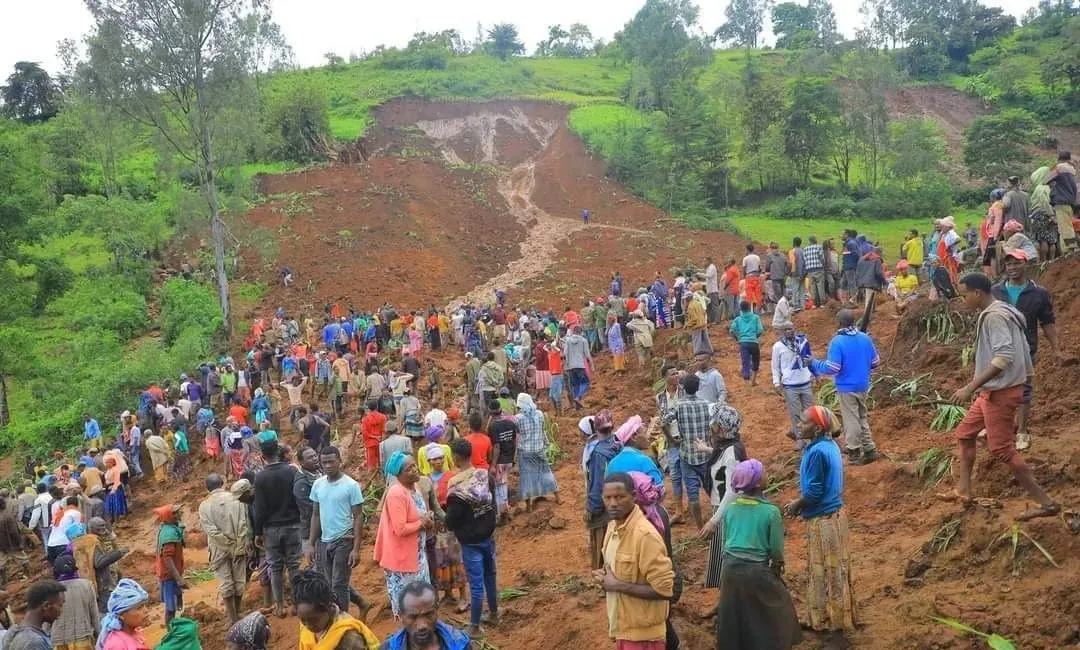
In fact, as early as July 19, the Ethiopian government had issued a safety alert for the upcoming rainy season, warning that multiple regions across the country—including Oromia, Afar, Somali, Tigray, Gambella, Benishangul-Gumuz, Amhara, the Southern Nations, and the capital Addis Ababa—could face the threat of widespread flooding and landslides.
The Chinese Embassy in Ethiopia also specifically reminded Chinese citizens and institutions in the country to heighten disaster preparedness during the rainy season from June to October. They advised close attention to weather forecasts and official alerts, as well as readiness for flood and landslide prevention measures, to mitigate risks posed by natural disasters.
The affected areas have not only seen devastating impacts on local residents’ lives but also include several critical Ethiopian coffee-growing regions such as Kaffa, Jimma, and Yirgacheffe, which are major sources of the country’s commercial coffee beans. Typically, Ethiopia’s coffee harvest season runs from October to March of the following year. However, the persistent heavy rains during the preceding rainy season often cause coffee cherries to fall prematurely, while floods and landslides directly damage coffee tree cultivation environments as well as essential infrastructure such as roads and water/electricity supplies, thereby affecting both yield and quality.
Currently, Ethiopia’s coffee industry is facing unprecedented multiple pressures. Not only are southern regions at risk of reduced yields due to climate disasters, but northern areas also face the looming threat of civil war due to prolonged conflict, adding another layer of concern for the overall industry supply chain. In addition, the Red Sea crisis continues to disrupt access to Djibouti Port, a crucial international shipping hub for the country, not only impacting coffee export volumes but also significantly driving up logistics costs, thereby further exacerbating the operational pressures on coffee farmers and exporters.
The above content is compiled by CoffeeHunters, a coffee news website.


