







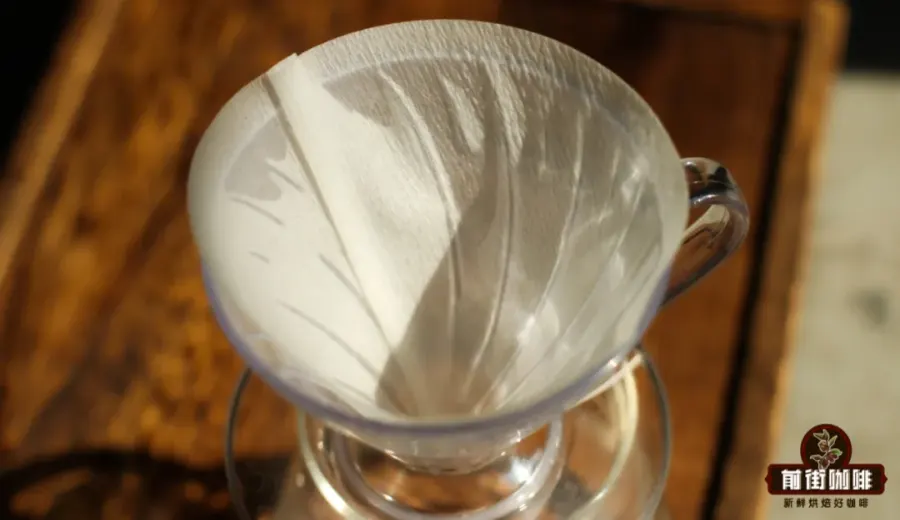
Introduction:Many pour over coffee enthusiasts have the habit of gently tapping the filter cone after adding the ground coffee, aiming to make the coffee bed more even. However, they may not realize that this action can cause fine coffee particles to sink, clog the filter paper, and lead to longer extraction times and a bitter, astringent taste. This article delves into the "Brazil nut effect" caused by tapping the filter cone, explains why fine particles tend to accumulate and affect extraction, and provides proper blooming and corrective techniques to help you brew smoother pour over coffee.
During the pour over process, many coffee lovers often feel the urge to lightly tap the filter cone when they notice that the coffee grounds aren’t evenly distributed — hoping to make the particles spread more uniformly so that hot water can pass through more evenly and extract a more balanced flavor. Yet, what seems like a reasonable small action may trigger a series of unexpected negative effects, including fine particles sinking, blockage of the filter paper pores, and even over-extraction of the coffee, ultimately resulting in a noticeably bitter taste.
According to actual tests, the overall extraction time of a tapped coffee bed is on average21 secondslonger than that of an untapped one, and the final coffee flavor tends to be more bitter. This is primarily due to the "Brazil nut effect" triggered by the tapping action, which causes larger coffee particles to rise to the top while fine particles settle to the bottom, clogging the filter’s micro-pores.
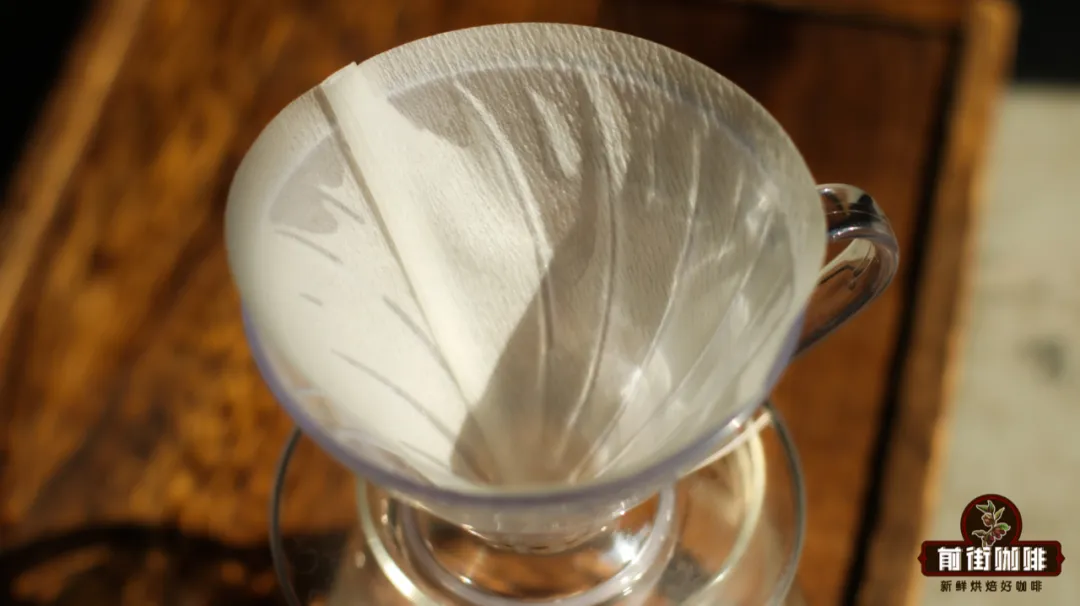
Many people have some unconscious “adjustment habits” during the pour over process — for example, during the wetting of the filter paper, if they see the edges slightly curling up and not fully adhering to the cone, they might press that part down with their hand. Or, after the second pour and while waiting for the coffee to drip through, if they notice the coffee bed surface is uneven, they may add extra circles of water to the areas with more coffee to try to make the final indentation look more symmetrical. Similarly, when pouring coffee grounds and noticing uneven distribution in the filter cone, a common instinctive reaction is to gently tap the cone to flatten the surface, thinking this will allow hot water to penetrate each coffee particle more evenly, thereby improving extraction efficiency and flavor expression.
But the actual result is often the opposite. The seemingly harmless act of tapping the filter cone can trigger a common yet overlooked issue: the vibration causes fine particles to sink, leading to clogged filter pores, uneven extraction, and over-extraction, resulting in a coffee that tastes overly bitter and astringent.
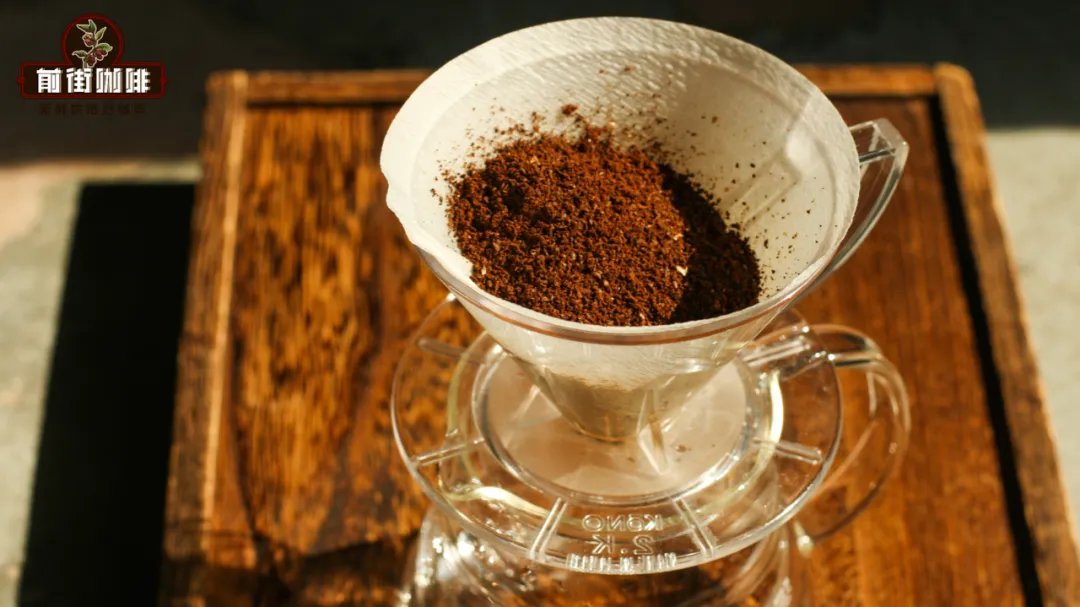
To verify this phenomenon, a comparative experiment was conducted: under the same conditions, two portions of coffee grounds with identical grind sizes were poured into filter cones. One portion was directly brewed without any tapping, while the other was gently tapped several times to make the coffee bed appear more even before brewing. The results showed that the untapped coffee bed completed most of its extraction by2 minutes, whereas the tapped one took until2 minutes and 21 secondsto finish, with a clearly more bitter flavor. The reason was that tapping caused fine particles to settle and clog the filter, extending the extraction time.
So, why does such a simple act as tapping the filter cone have such a significant negative impact? The key lies in the fact that not all coffee particles are the same size. Even when using the same coffee beans and the same grinder, the ground coffee still contains particles of varying sizes — some coarser, some finer — and these fine particles are one of the key factors affecting extraction uniformity.

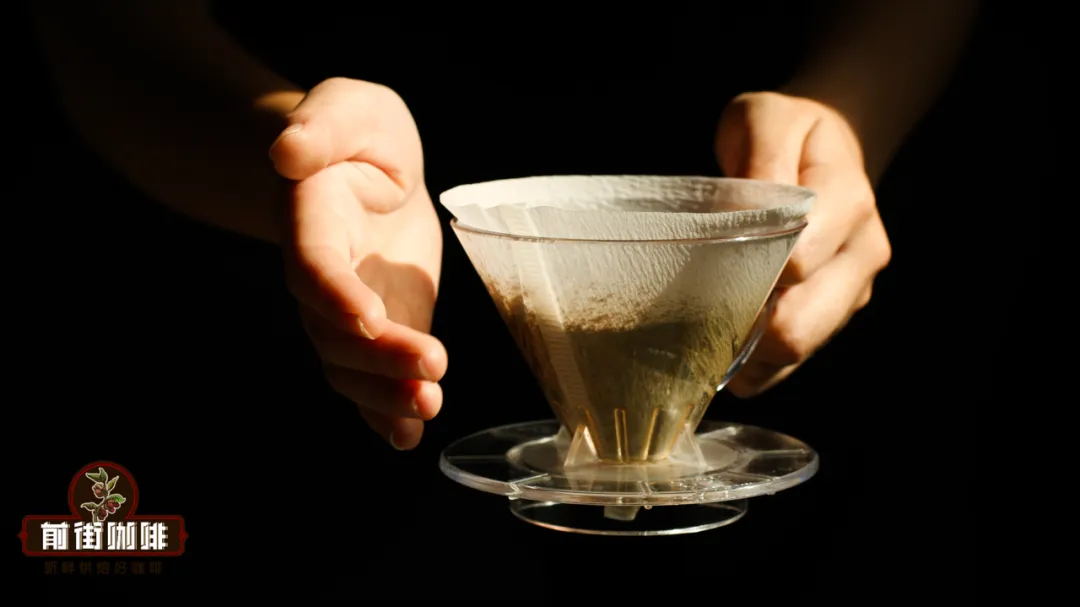
When you tap the filter cone with your hand, the entire coffee bed moves due to the vibration. According to the so-called "Brazil nut effect," larger particles tend to rise to the top of the bed due to the shaking, while finer particles gradually settle to the bottom. These settled fine particles, once gathered at the contact point between the filter paper and the coffee bed, can easily block the tiny pores in the filter, hindering the smooth passage of hot water, slowing down the flow rate, lengthening the extraction time, and ultimately affecting the final flavor.
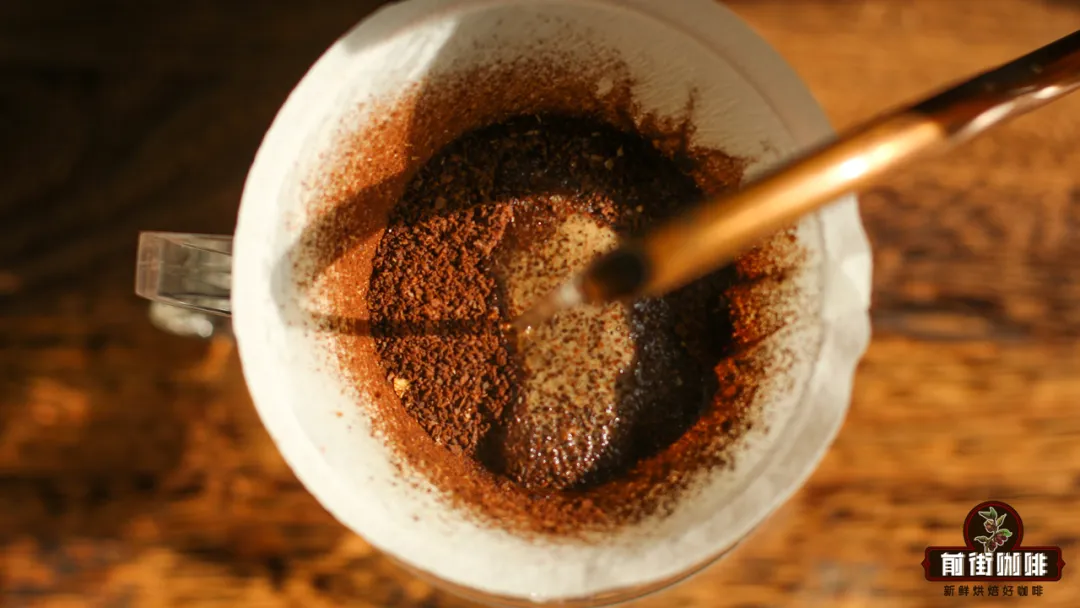
Furthermore, if the number of taps is excessive or the force is too strong, the fine particles not only sink to the lower layers but also reduce the overall permeability of the coffee bed as the distance between particles decreases. During the blooming stage, you may observe that hot water fails to quickly penetrate the coffee bed and instead flows along the edges of inert zones, causing uneven extraction — some areas become over-extracted while others are under-extracted — severely impacting the overall balance of flavors.

Therefore, it is recommended that when pouring coffee grounds, do so slowly and aimed at the center of the filter cone to avoid pouring too much at once, which can lead to uneven distribution. By minimizing unevenness from the start, you can effectively reduce the need for subsequent tapping or adjustments, thus avoiding the risks of fine particle sinking and filter clogging.
Of course, if you do notice obvious unevenness in the coffee bed after pouring, there’s no need to panic excessively. You can choose to gently pick up the filter cone and perform slight left-right shaking motions to allow the coffee bed to naturally slide and gradually become level. But be cautious — don’t shake too many times, as this could also cause the fine particles to redistribute unevenly or resettle.
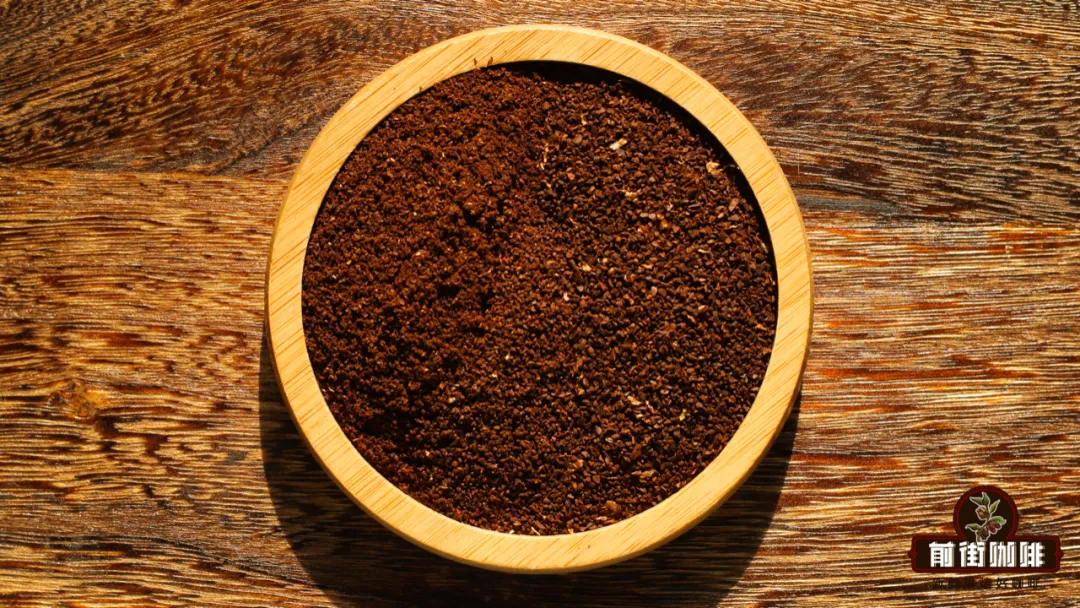
Although adjusting the flatness of the coffee bed by tapping the filter cone isn’t entirely infeasible, it is advised to carefully control the force and frequency of tapping to avoid excessive vibration that triggers the Brazil nut effect, leading to heavy settling of fine particles and clogging of the filter. If you want to more effectively level the coffee bed, using a distribution tool (such as a WDT tool or similar) is a better option. It not only helps distribute coffee particles evenly but also breaks up clumps of fine particles, creating more space for water flow and thereby improving the stability and flavor of the overall extraction.

The above content is compiled by CoffeeHunters, a coffee news website.


